Great birding doesn’t just happen. Every spot on this list is a protected conservation area — and that protection is part of the reason why the birds can come back year after year.
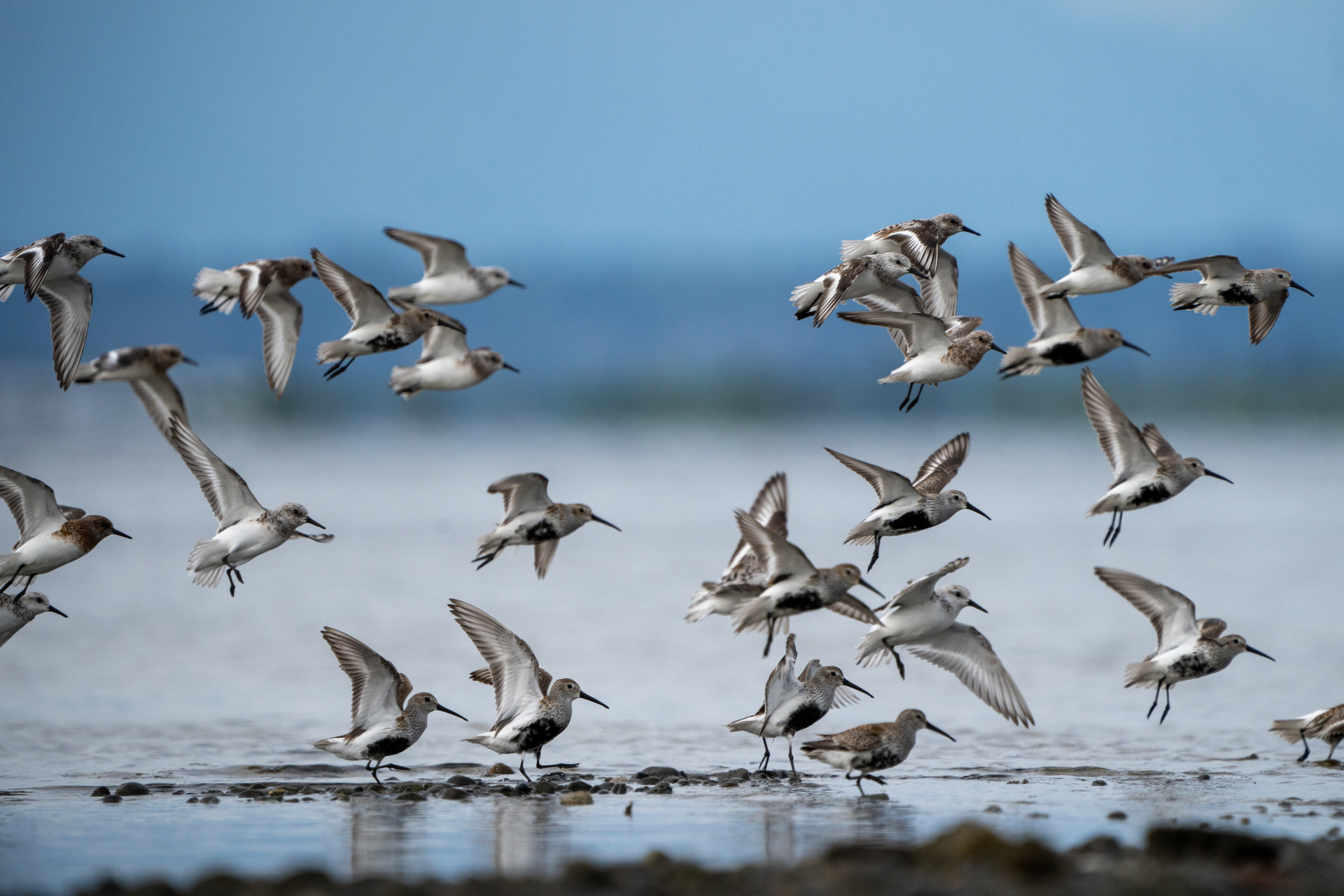
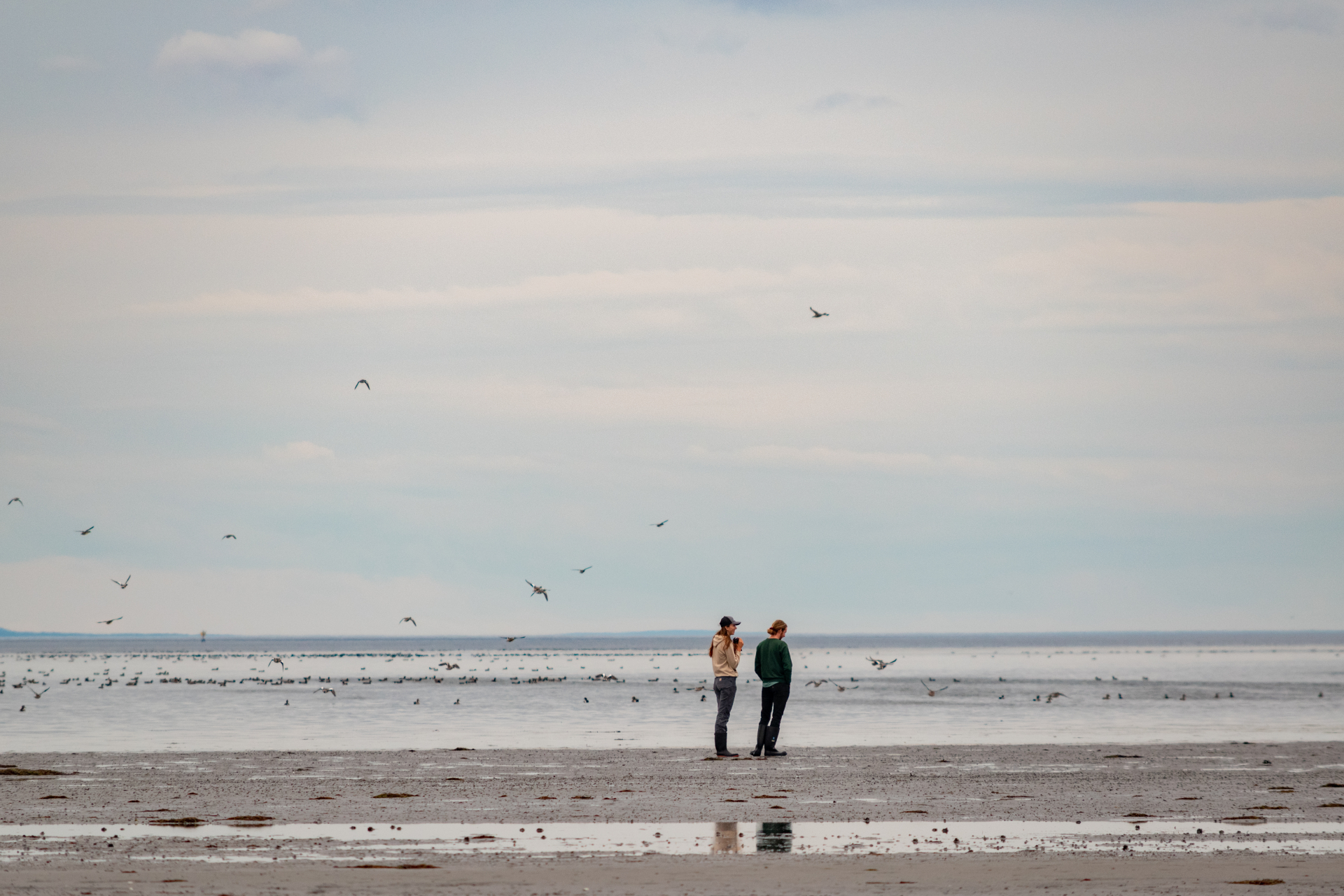
Many bird species migrate thousands of kilometres. And what they need most are safe places to stop, rest, refuel and breed. But as construction and development spread, their habitats continue to disappear.
That’s why conservation matters. No two of these habitats are alike; a forest needs different care than an estuary. So when we listen to the research and let nature lead, we can protect, restore and steward these places with unique approaches.
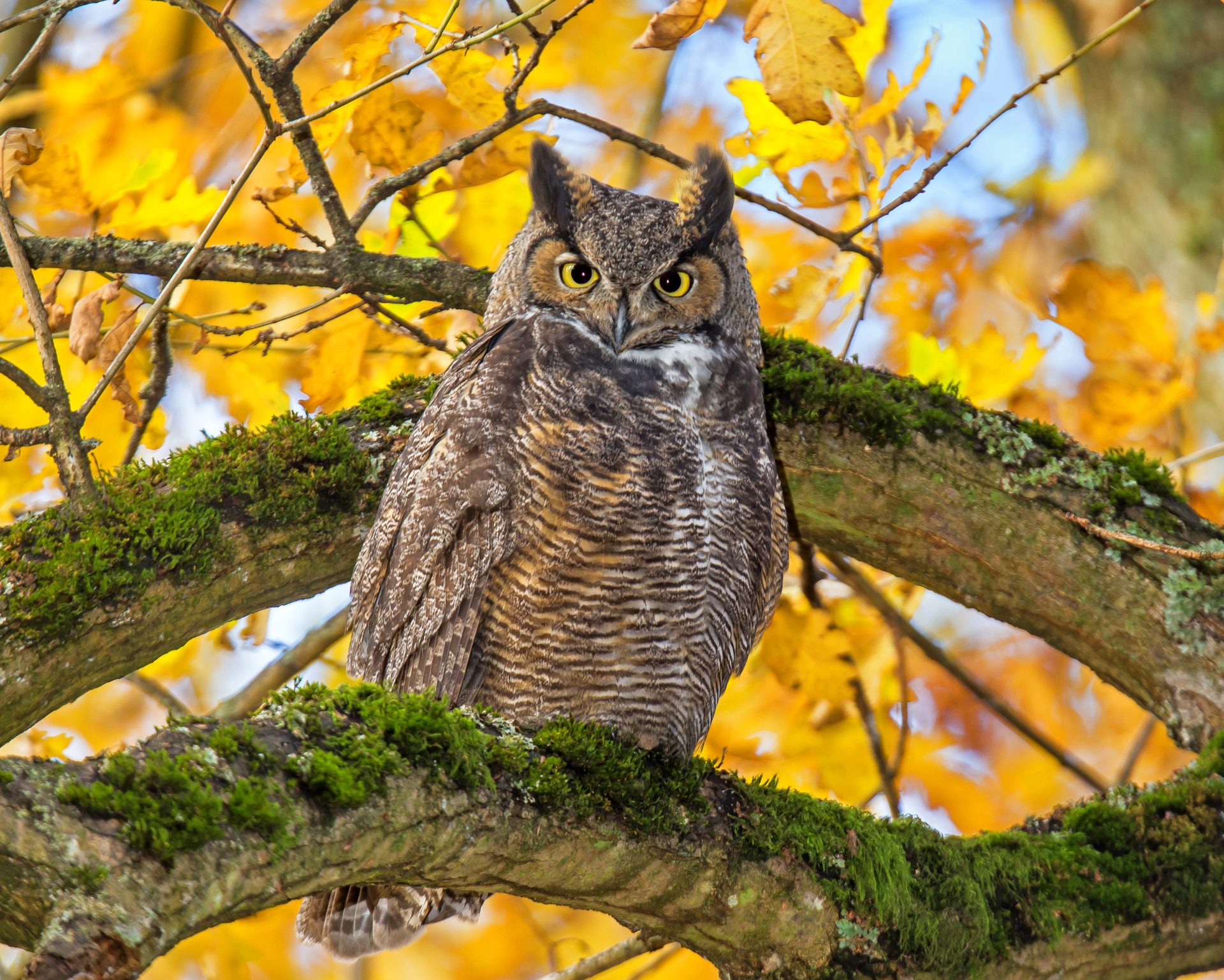
A recent UBC study conducted on NTBC lands found that threatened Western screech-owls seek out protected riparian habitat during extreme heat, and feed their chicks less when temperatures climb too high. It’s early evidence that the land we protect isn’t just preserving habitat — it’s helping species cope with a changing climate.
Across 56 NTBC conservation areas, the land we protect has been identified as critical habitat for seven of Canada’s most at-risk bird species, such as the Spotted Owl, Marbled Murrelet, and Williamson’s Sapsucker. Without protected land, they lose the habitat they need to survive.
Conservation is also bringing species back. In 2026, Burrowing Owls were reintroduced to NTBC’s White Lake Basin Biodiversity Ranch-Park Rill, joining a single male that overwintered on his own the year before.
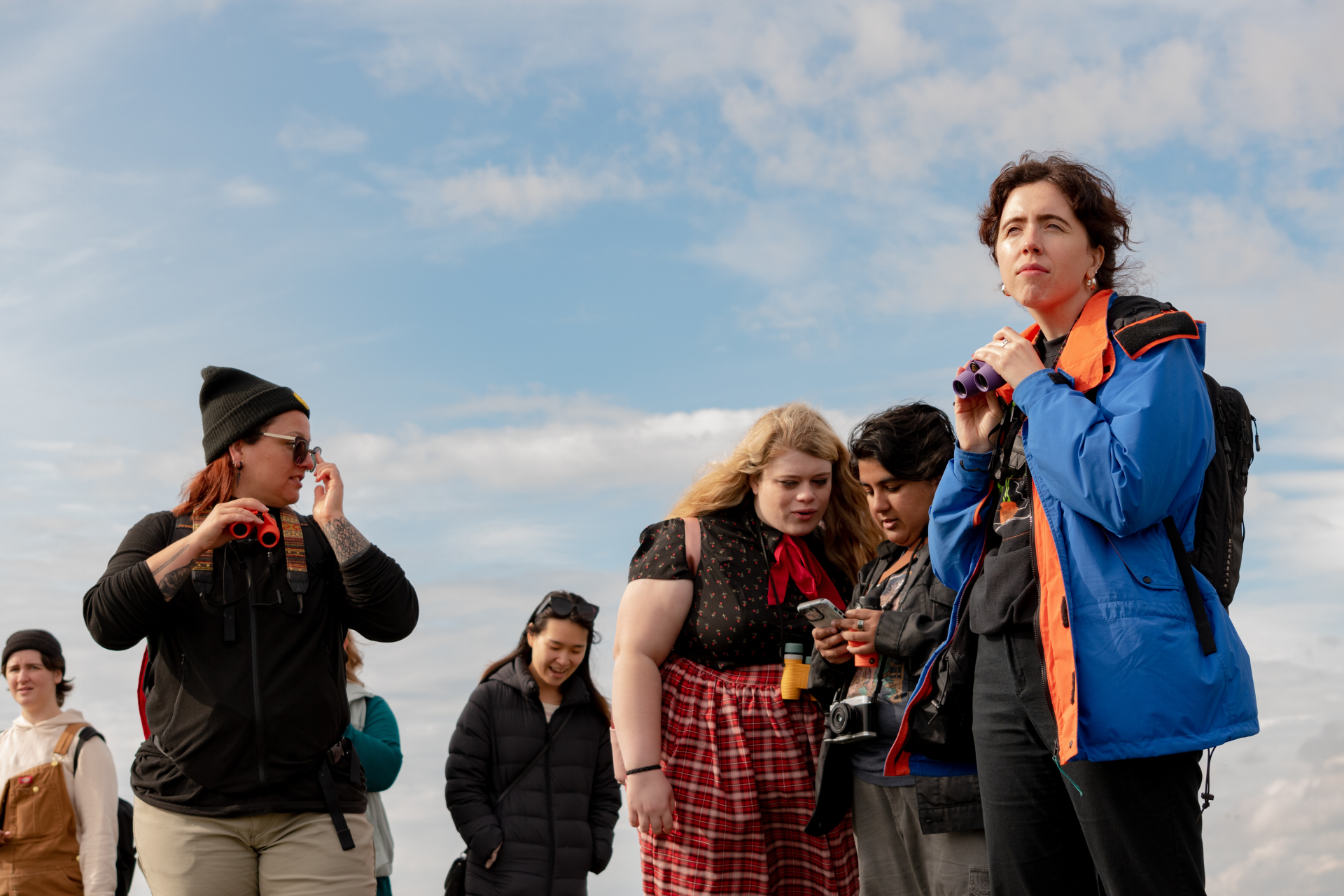
These are the places worth protecting — for the birds that depend on them, and for the birders who come flocking for their next great sighting this fall.


 Chris Bosman
