Understanding the Vital Role of Riparian Zones
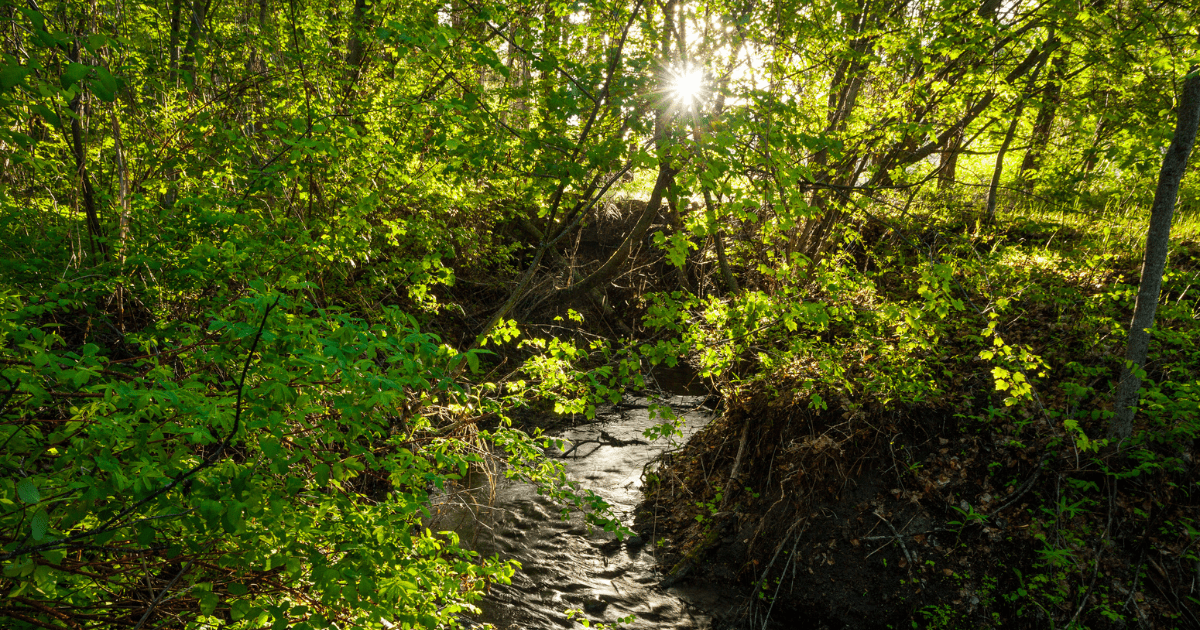


Riparian zones are crucial for maintaining water quality, preventing erosion, and supporting aquatic and terrestrial life. These narrow strips of land along the banks of rivers, streams, and other water bodies comprise only a tiny percentage of the landscape in British Columbia. However, biologists estimate that three-quarters or more of all animals rely on these habitats for survival. Keep reading to learn more about the importance of riparian zones, and what NTBC is doing to ensure their protection.
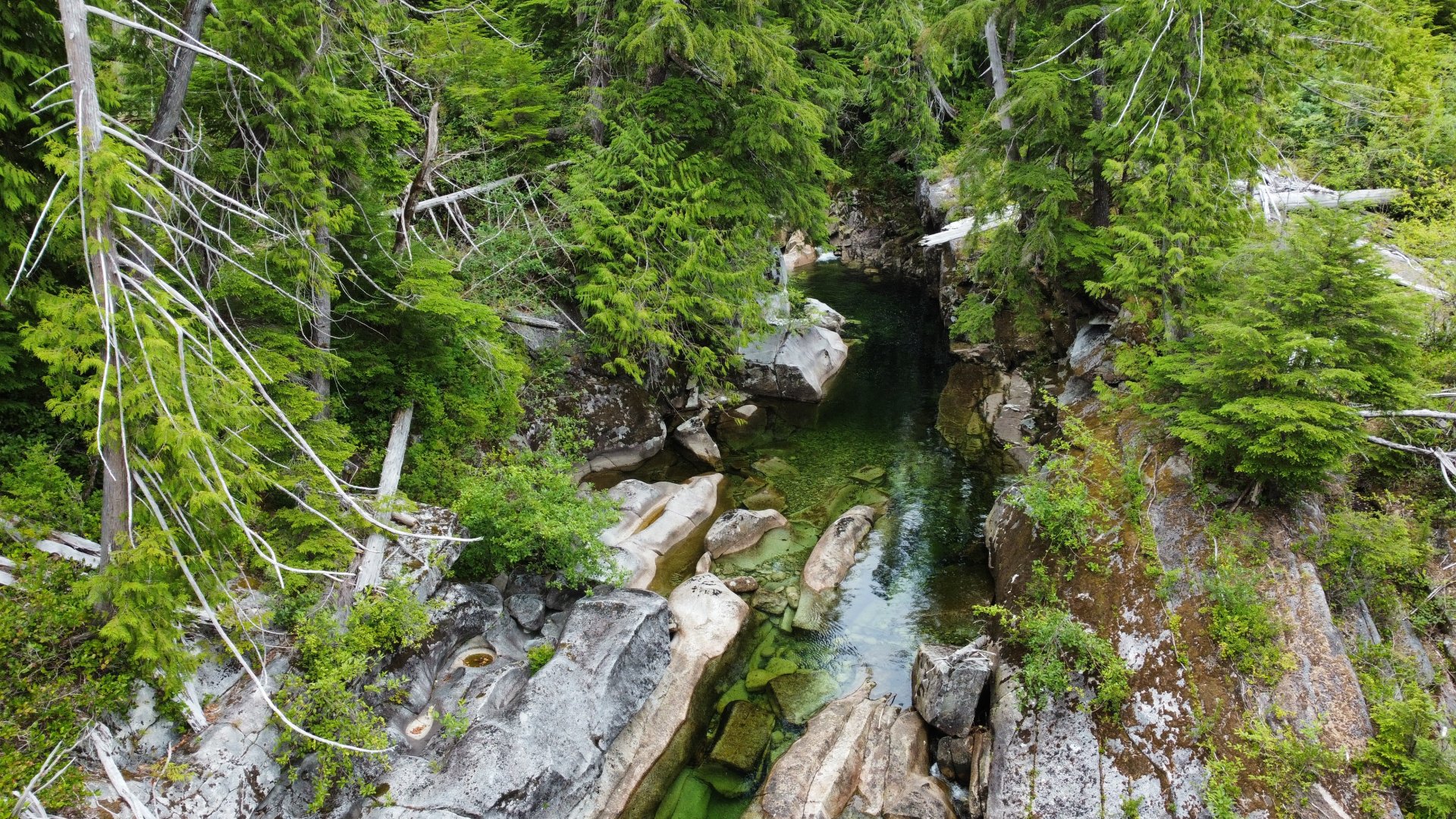
Acting as natural filters, riparian zones help maintain water quality by capturing sediments, nutrients, and pollutants, preventing them from entering water bodies. Their intricate root systems bind the soil together, stopping it from being washed away by the force of flowing water.
Riparian zones also play a crucial role in floodplain management. During heavy rainfall or snowmelt periods, riparian zones act as natural sponges, absorbing excess water, reducing water velocity and the risk of flooding downstream. This ecosystem service is essential for protecting human communities and wildlife that rely on the delicate balance of water flow.
Riparian zones are biodiversity hotspots, providing a unique habitat between terrestrial and aquatic ecosystems. The combination of moisture, shelter, and nutrient-rich soils creates an ideal environment for a diverse array of plant and animal species. Trees such as willows and cottonwoods offer shade, which helps regulate water temperature and create suitable habitats for aquatic organisms. Birds, amphibians, insects, and mammals find refuge in the complex vegetation of riparian areas, contributing to the overall richness and diversity of the watershed.

Climate change is one of the biggest threats to riparian zones in British Columbia. Warmer temperatures and drier conditions threaten the delicate balance of riparian zones. Increased air temperatures and altered hydrologic conditions can lead to increased water temperatures and decreased water levels, which is especially dangerous for many riparian organisms, especially cold-water species like salmon, trout, and char. Climate change also introduces shifts in snowpack and precipitation quantity and timing, which are necessary for maintaining native vegetation and productivity. This stress on native species gives a competitive advantage to invasive species and can cause invasive takeover.
Riparian systems can also act as a buffer and disrupt the spread of wildfires if conditions are favourable. However, as summers continue to exhibit drier conditions, there is potential for fuel accumulation or build-up, leaving riparian systems more vulnerable to catastrophic, high-severity fires.
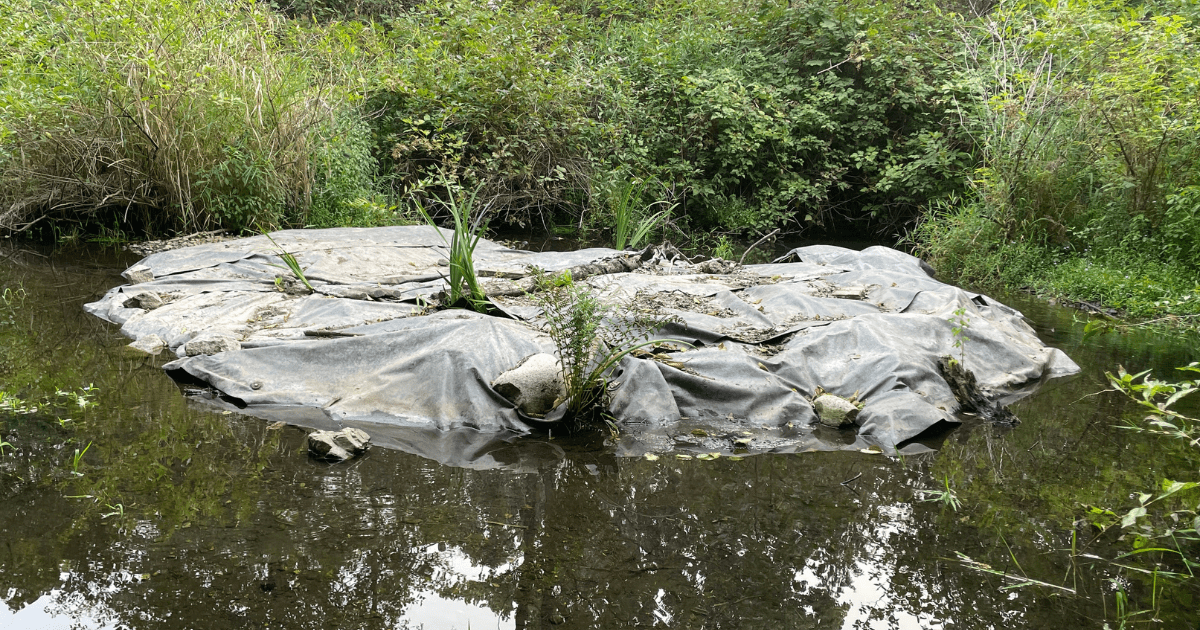
Habitat destruction and alteration are also major threats to BC’s riparian zones. Urbanization and agriculture have caused many of these habitats to disappear across the province. Improper management and aesthetics have led many developments to remove riparian areas altogether, often opting for cement walls around water bodies. Although it is usually done inadvertently, removing these habitats can cause water quality and biodiversity to decrease significantly.
To protect and restore riparian zones, homeowners can adopt No-Mow Zones, which prevent lawn mowing close to water bodies. Starting three to six feet from the water’s edge is recommended, but larger areas are better. This allows native plants to seed and reestablish, providing bank stability and habitat. Planting native trees and shrubs can also help. The roots of shrubs and trees hold the soil better than lawn roots, preventing erosion. Look for native plants growing on your property for ideas. A more natural shoreline is better for the environment. If safe, allow fallen trees and branches to stay on your property, contributing to essential wildlife habitat and the long-term survival of lakes and rivers.
NTBC is actively working to protect and maintain healthy watersheds across the province. One of the primary ways we do this is through protecting ecologically significant lands. By strategically acquiring properties with critical riparian zones, we ensure that these areas remain untouched by development, safeguarding their ecological functions. For example, Columbia Lake North-Wetlands is a 66.8-hectare property we acquired in 2022 that conserves vital wetlands and riparian ecosystems. Located in the Columbia River Valley, this property is also home to many endangered species like barn swallow, Western painted turtle, and American badger.
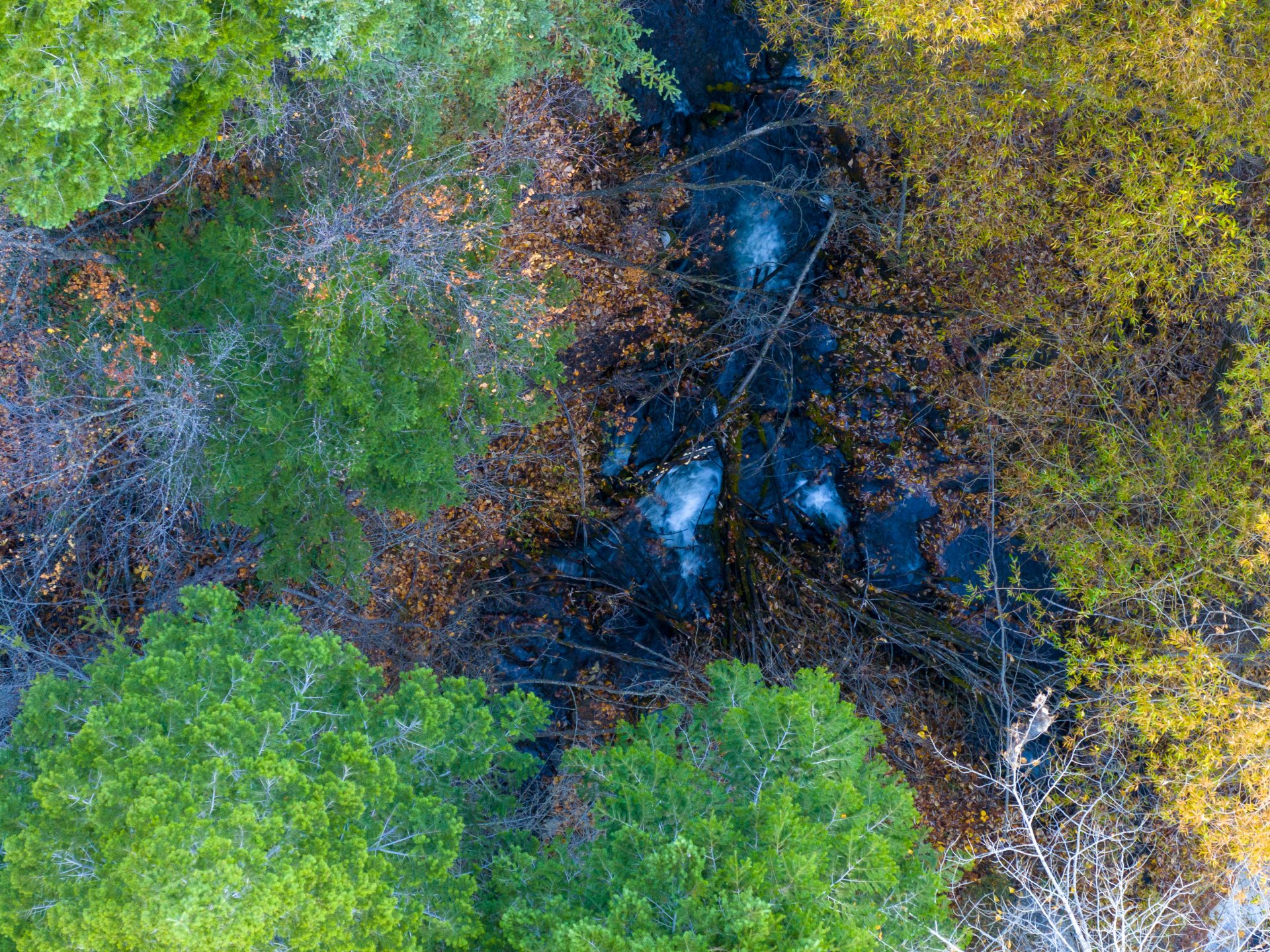
NTBC also actively undertakes restoration initiatives to enhance the health and functionality of riparian areas. This may include invasive species removal, tree planting, and habitat restoration projects, all aimed at fortifying the natural resilience of these critical zones.
In understanding the vital role of riparian zones in healthy watersheds, it becomes evident that these areas are indispensable components of our environmental landscape. From water quality maintenance and erosion prevention to providing habitats for diverse species, the significance of riparian zones extends far beyond their narrow boundaries. As stewards of our environment, it is crucial to recognize the interconnectedness of these riparian areas and work towards their preservation and restoration, ensuring the sustainability of watersheds for generations to come.
Follow NTBC across social media to hear the latest about our work.
We gratefully acknowledge that our Vancouver office is located on the traditional, ancestral, and unceded territories of the xʷməθkʷəy̓əm (Musqueam), Sḵwx̱wú7mesh (Squamish), and səlilwətaɬ (Tsleil-Waututh) Nations, who have been stewarding this land since time immemorial. Our work and conservation areas encompass many lands throughout the province, and we humbly acknowledge the First Nations communities who live on and steward these lands.

 Government of Canada announces UNESCO endorsement for British Columbia Salmon...

Stay connected to the landscapes you help protect. Receive updates from the field, stories of conservation in action, and opportunities to support and experience BC’s natural places.