

The West Coast

A refuge for rare species and ancient forests

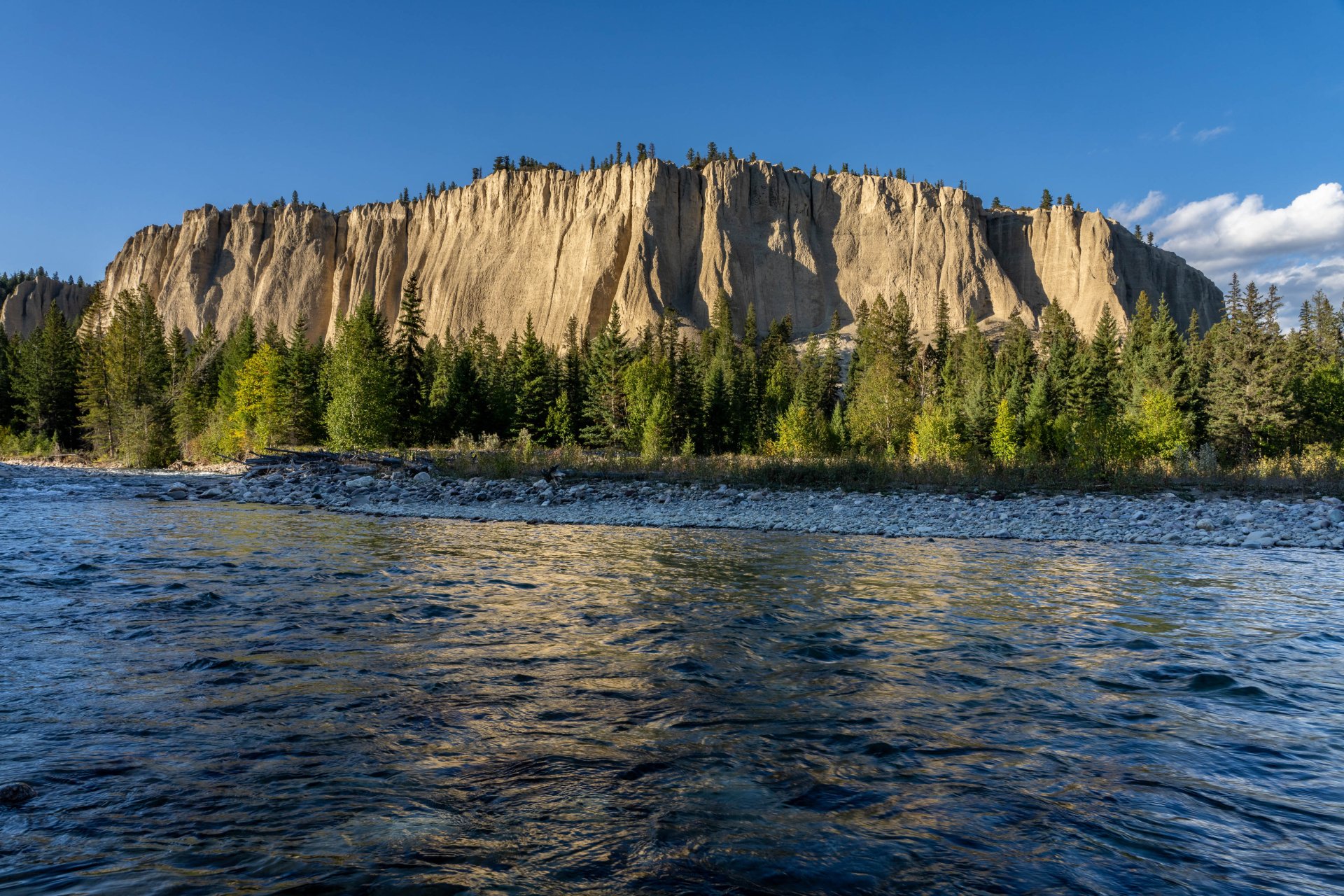
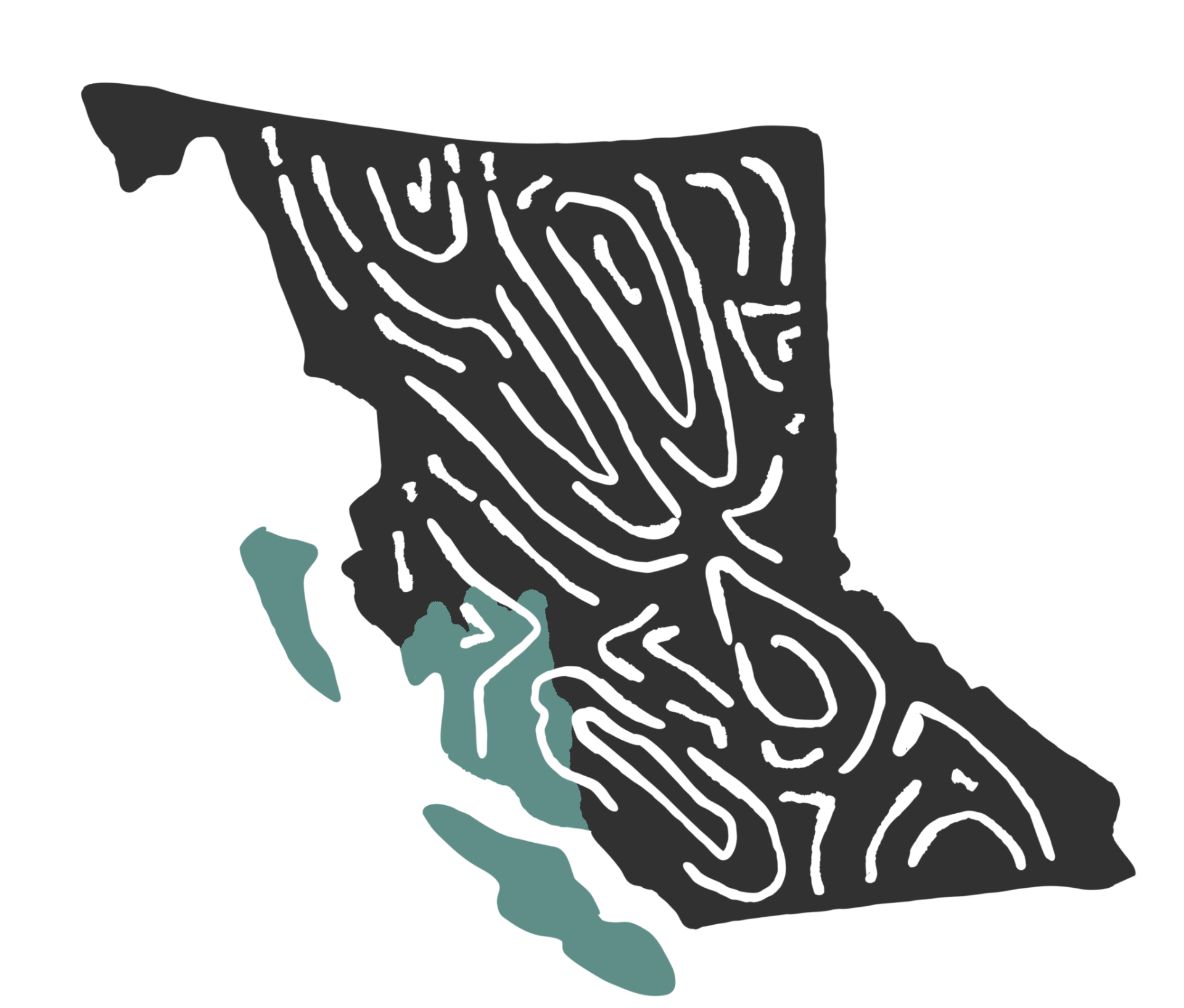
This vast and varied region encompasses Vancouver Island, the Gulf Islands, BC’s central coast, and Haida Gwaii. It runs from the edge of the sea, with deep fjords, long inlets, and ecologically rich estuaries, to the peaks, glaciers, and alpine meadows of the Coast Mountains. 

The West Coast is home to animals found nowhere else, such as the Kermode (spirit) bear and Vancouver Island marmot. Haida Gwaii, sometimes known as Canada’s Galapagos, is renowned for its distinct animal species that have evolved over thousands of years in isolation.

Biodiversity

Waters and skies teeming with biodiversity

In the rivers, lakes, and off the shores of this region, the waters host an abundance of life – salmon, herring, whales, and dolphins all rely on this land to support their aquatic habitats. Along the coast runs part of the Pacific Flyway, which millions of migratory birds travel each year from as far away as South America on their way to northern BC, Alaska, and the Arctic. Seabirds breed on the region’s rugged islands and cliffs.

Tradition

A rich web of life and tradition

At the southern end of the region, the dry rain-shadow areas of southeastern Vancouver Island and the Gulf Islands host Garry-oak ecosystems, among the most endangered habitats in Canada. These ecosystems offer more than an array of spring wildflowers — they are home to crucial food and medicine plants used by Indigenous people. These essential plants survive in fragmented patches, where they are threatened by invasive species. Half of all the land they once occupied has been converted to human use. 

Coastline

Protecting BC’s most endangered coastal ecosystems

Our focus in this region has been protecting and restoring coastal lowlands such as estuaries, wetlands, and riparian areas and the highly endangered oak and coastal bluff ecosystems in the southern gulf islands.  We’ve protected over 130 conservation areas here, a total of nearly 10,000 acres.

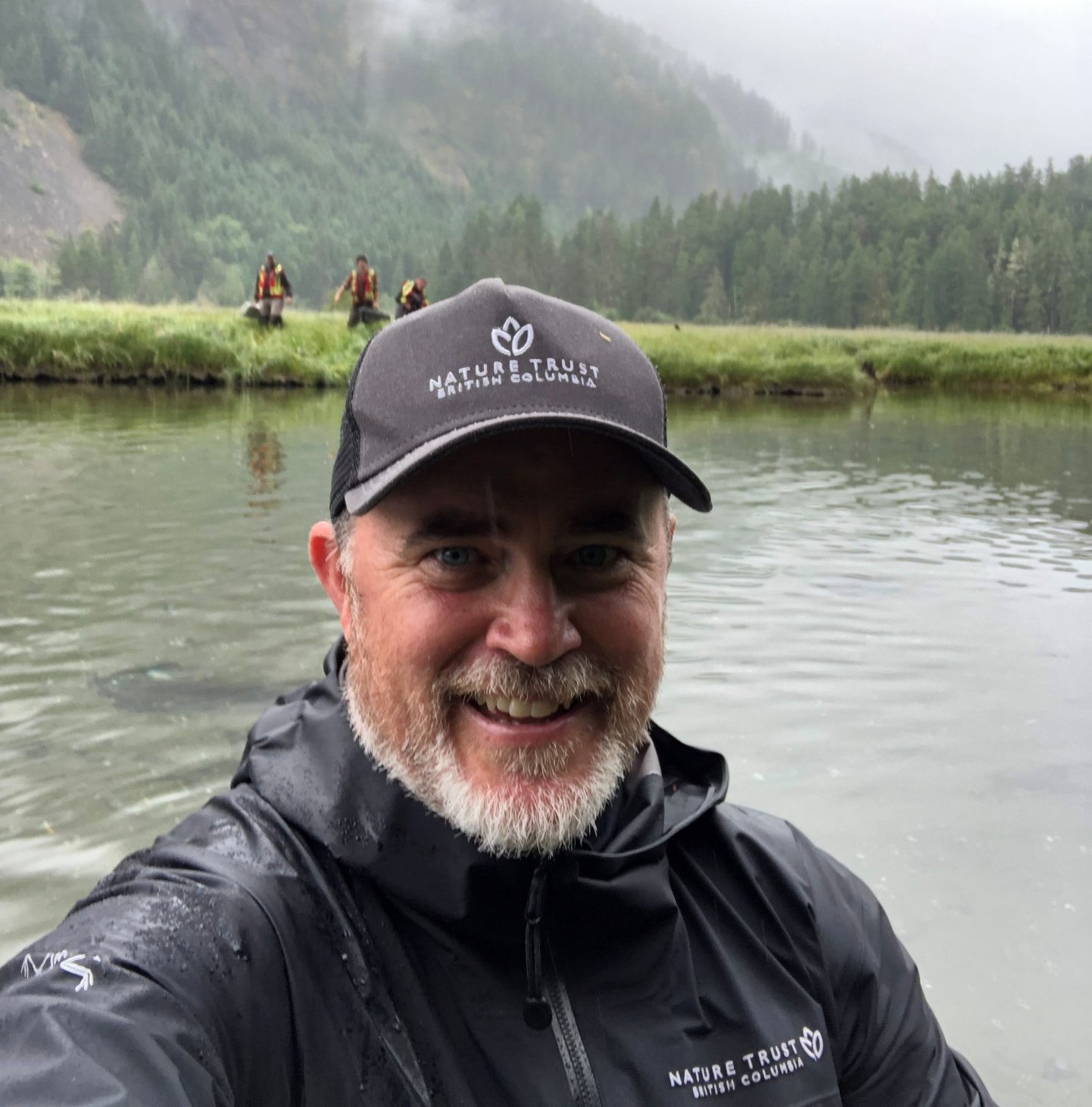
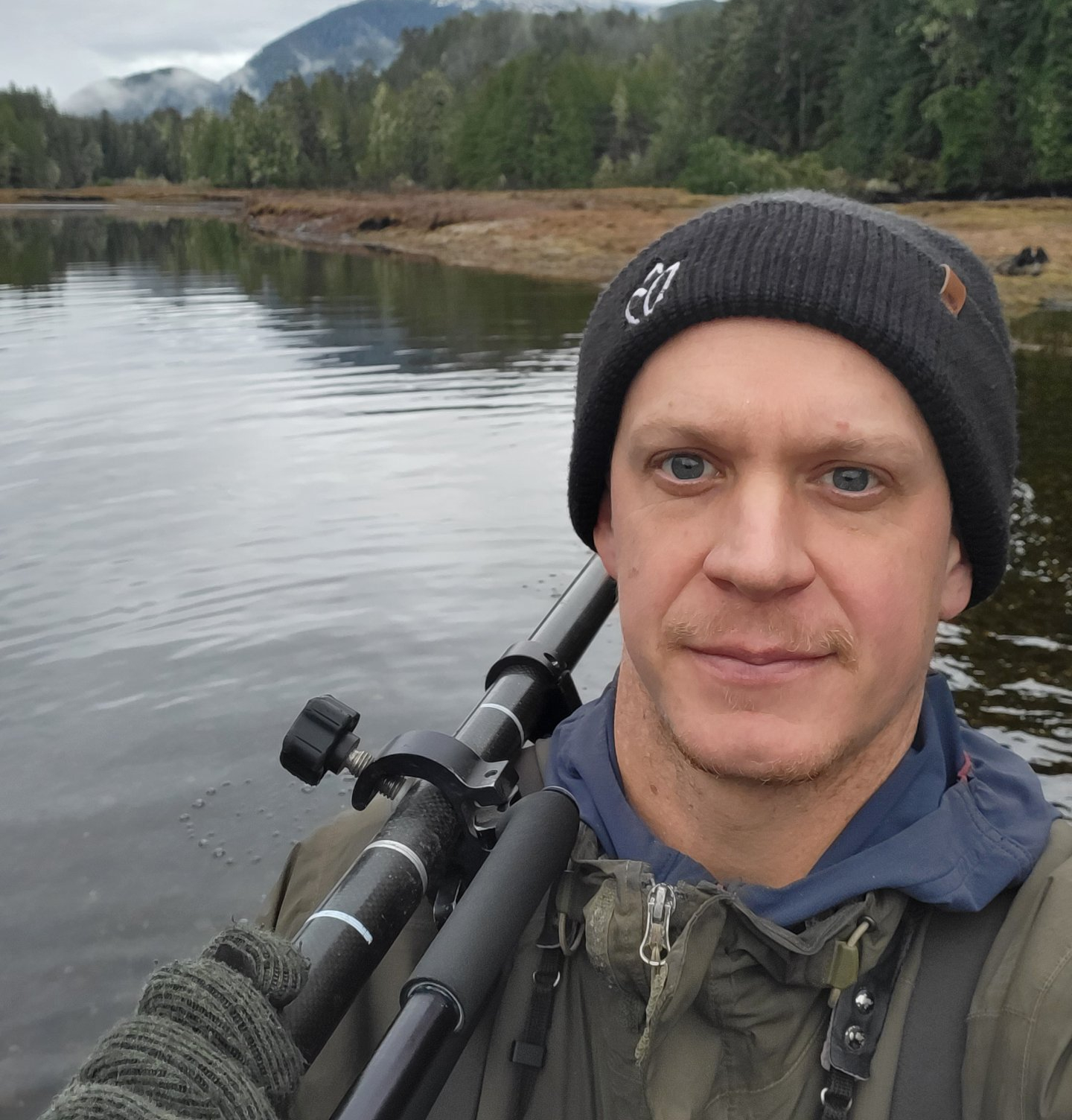
Thomas Reid,
West Coast Conservation Land Manager

Tom has been the Program Manager for the West Coast Conservation Land Management Program since 2006. This program is an innovative partnership among nonprofits, government agencies, and First Nations focused on conservation, stewardship, and management of sensitive ecosystems along the BC coast. Tom has led this program for nearly two decades, managing more than 110 conservation areas and overseeing several large restoration projects. He has led the implementation of the BC Salmon Restoration and Innovation Fund’s Enhancing Estuary Resilience project focused on monitoring and restoring more than 20 BC estuaries in partnership with First Nations.  

Tom holds a diploma in Fish, Wildlife, and Recreation from the BC Institute of Technology and a Bachelor of Arts in History and Geography from Simon Fraser University.

Meet the West Coast Conservation Land Management Team

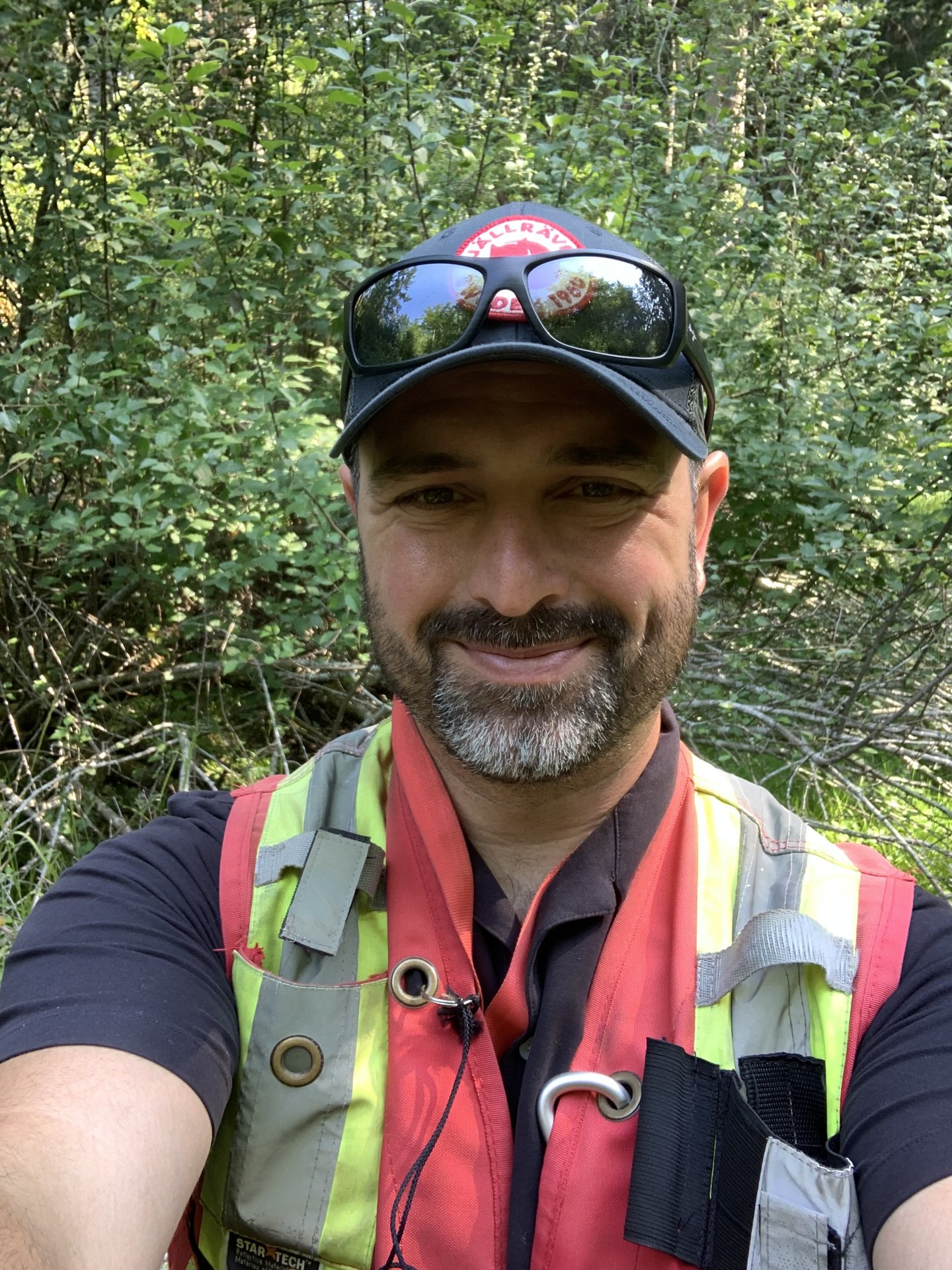
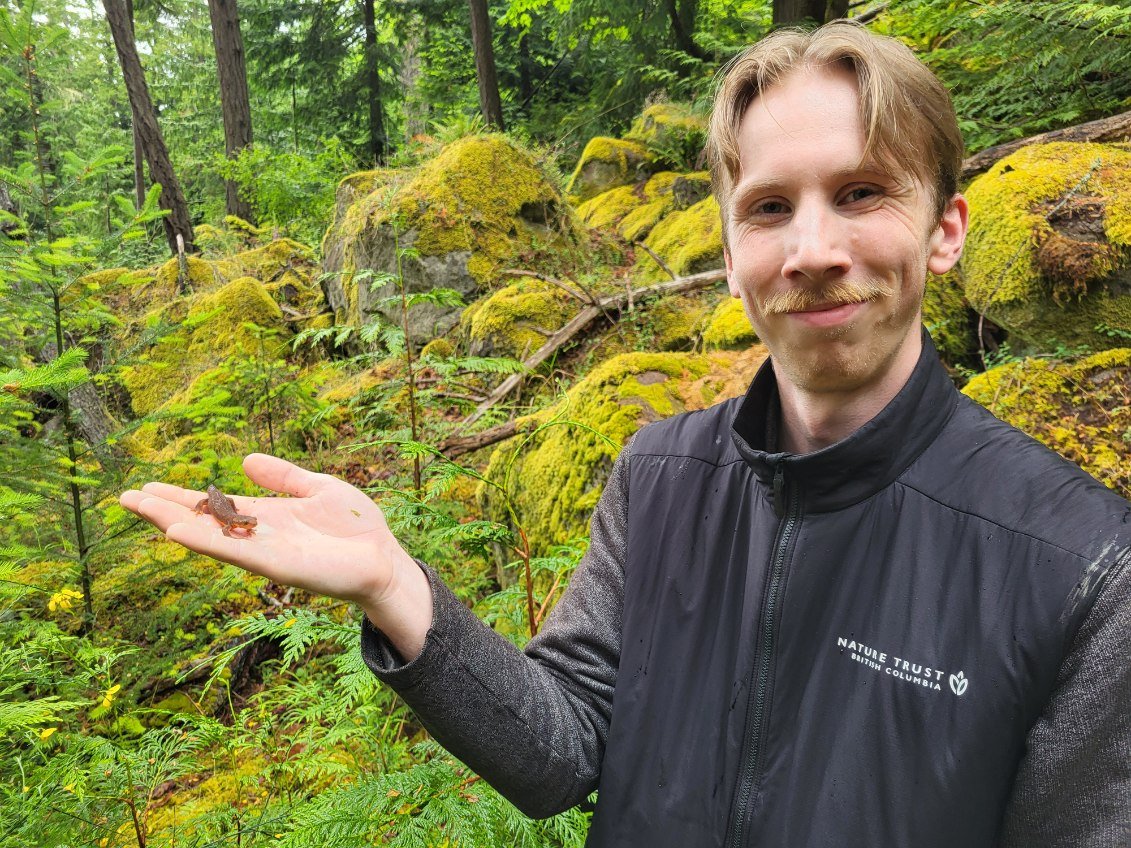
West Coast Land Management & Major Project Coordinator
A true west coaster, Shawn (he/him) has lived, worked and studied his entire life surrounded by the beautiful landscape and unique climate of the region. Previously employed with BC Parks as Senior Park Ranger and as a field tech with the Vancouver Island Marmot Recovery Foundation, Shawn has extensive experience working in the back country of Vancouver Island and has witnessed firsthand the importance of protecting and conserving our ecologically sensitive areas. Field work has always been Shawn’s specialty as he now oversees all the field operations for the west coast region of NTBC and the West Coast Conservation Land Management Program. Shawn holds a diploma in Resource Management Officer Technology and a Bachelor of Science in Natural Resource Protection from Vancouver Island University. Shawn joined the West Coast Conservation Land Management Program in 2016. When he isn't working, Shawn can be found exploring the outdoors with his dog, Piper.
Roosevelt elk
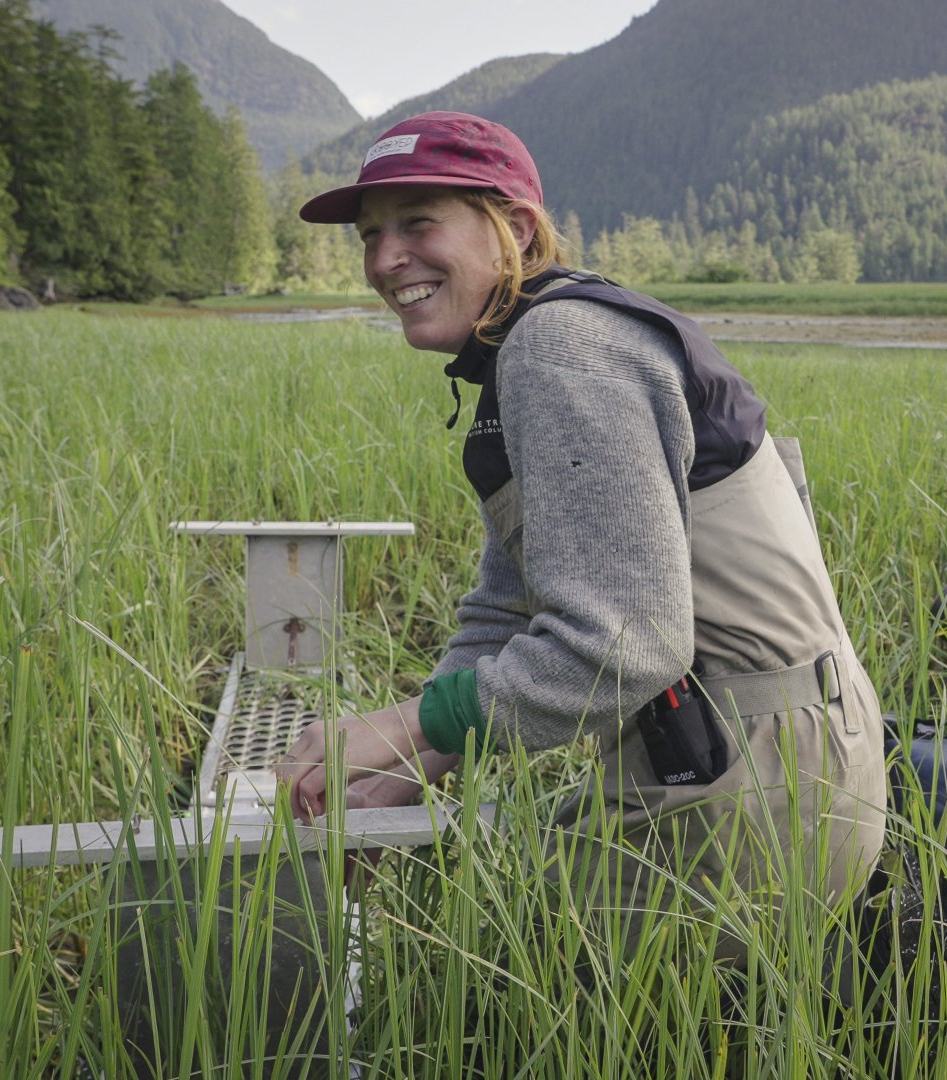
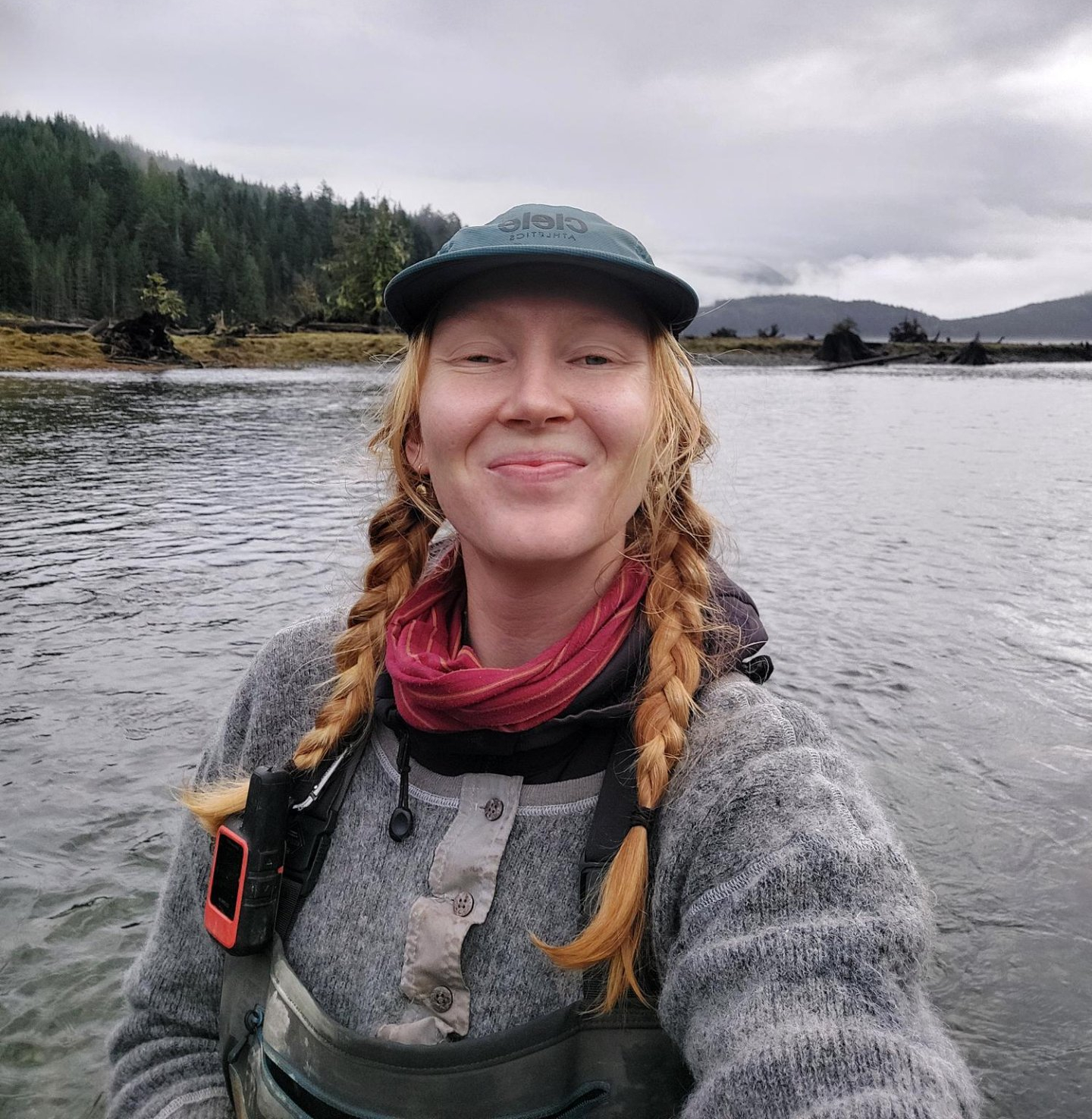
West Coast Senior Restoration Technician
Sonja (she/her) brings extensive experience working in remote locations with a wide range of fish and wildlife to NTBC. She grew up exploring the South Coast on foot and by kayak, which fostered her passion for conservation and ecology on the West Coast. She has been involved in a variety of projects and surveys in collaboration with Parks Canada, First Nations, and other environmental organizations. Sonja has a Bachelor of Science in Geography and Biology from University of Victoria. Sonja joined the West Coast Conservation Land Management Program in 2019, and now works on the Restoration, Monitoring, and Inventory team.
Rough-skinned newt
www.linkedin.com/in/sonjapanozzo
West Coast Land Manager
Tom Reid is the Program Manager for the West Coast Conservation Land Management Program (WCCLMP). This program is an innovative partnership focused on conservation, stewardship and management of sensitive ecosystems along the coast of British Columbia and includes NTBC, Ducks Unlimited Canada, Province of BC, Environment Canada, Fisheries and Oceans Canada, the Habitat Conservation Trust Foundation and several First Nations. Tom has been leading the delivery of this program for nearly two decades, managing more than 110 conservation areas and overseeing several large restoration projects. He has led the implementation of the BC Salmon Restoration and Innovation Fund “Enhancing Estuary Resilience” project focused on monitoring and restoring 20+ estuaries throughout the coast of BC in partnership with 20 First Nations.
Pacific salmon
www.linkedin.com/in/ tom-reid-935323396
West Coast Field Operations Coordinator
A lifelong islander, Curtis’ awareness and appreciation of the natural world began early. Spending summers at the cabin amongst the old growth trees around Cameron Lake (Cathedral Grove), and later pursuing birds and photography subjects in the urban parks and green spaces next to his home in Nanaimo. Following his passion to be outdoors, Curtis completed the Forest Resources Technology Diploma program and an undergraduate degree in Geography at Vancouver Island University. Curtis started as a Summer Crew Supervisor with NTBC in 2018 and now holds the position of Field Operations Coordinator, conducting fieldwork, surveys, and data collection throughout coastal BC.
Yellow-rumped warbler
West Coast Field Operations Technician
Geoff grew up in a small town in the South Okanagan called Summerland and spent his summers swimming in the glacial-fed waters of Seton Lake. Now an islander, Geoff spends his free time exploring everything the west coast has to offer. Geoff has a passion for the mountains and enjoys hiking, backpacking, camping, rock-climbing, and boating. Geoff completed a Criminal and Social Justice Diploma program at Okanagan College. In 2026, he graduated from University of Victoria's Restoration of Natural Systems diploma program. Geoff joined the West Coast Conservation Land Management Program in 2023 as a Field Operations Technician.
Sea otter
West Coast Restoration and Monitoring Technician
Hannah (she/her) grew up in Vancouver exploring the South Coast's natural environment through hiking, skiing, cycling, kayaking, and canoeing. Finding herself happier near or on the water, Hannah’s interest grew for coastal ecology. Following her love of the outdoors, Hannah completed BCIT’s Fish, Wildlife and Recreation Diploma program to pursue a career in conservation. Hannah received a Bachelor of Science in Earth Science at Dalhousie University. Hannah moved to Nanaimo to join the West Coast Conservation Land Management Program in 2023 as a Restoration and Monitoring Technician.
River otter
www.linkedin.com/in/hannah-stoakes-b916a6205
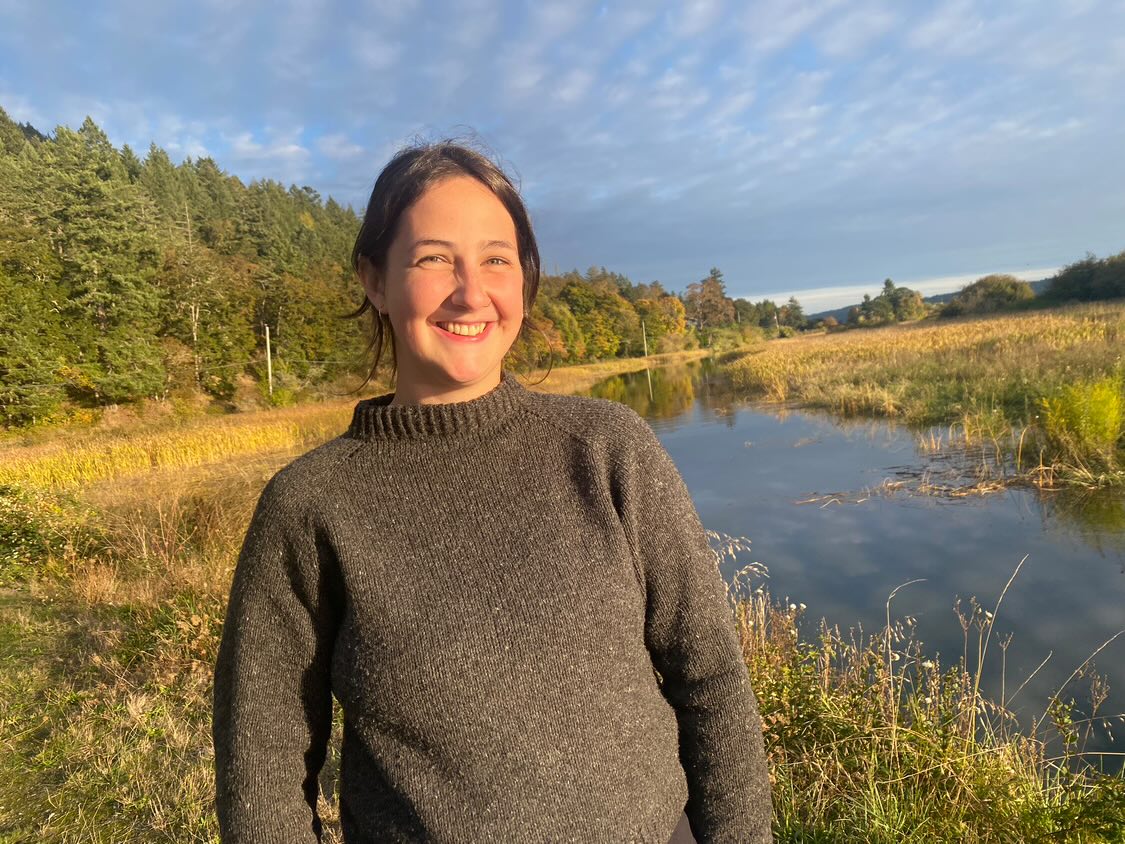
Hulitun Spulhxun/Tumuhw Coordinator
Alyssa (she/her)  grew up on Bowen Island where she fostered a love for the outdoors and especially for coastal landscapes. She is an avid backpacker, ocean swimmer, and budding naturalist. Alyssa completed her undergraduate degree at SFU in Indigenous Studies, Biology, and Geography. She also completed a Master of Arts in Interdisciplinary Studies with a concentration on Historical Ecology. In particular, her research interests centered on land-use histories and Quw’utsun/Indigenous food systems in the Cowichan Estuary. Alyssa now works with NTBC as the Hulitun Spulhxun/Tumuhw Plant Nursery Coordinator as part of the Estuary Resilience and Quw’utsun Estuary Food Systems Revitalization Project.
Raven

Stay up-to-date with us

Big conservation news ‼️📣 You can help NTBC purchase and protect 354 acres of critical habitat in the Kootenay River Floodplain. 
Located on the traditional and unceded territories of the Ktunaxa and Secwépemc Peoples, the Kootenay River Floodplain is an ecologically rich area that features a rare, largely intact stretch of riparian ecosystems. 

Why is this land so important? Read on 👇

🦌 Lower Wolf Creek is connected to other protected areas, making the land more viable, resilient, and providing corridors for species to move more freely. 

🌲 It supports ecosystems that are underrepresented in exciting conservation lands. 

🌾 It contains rich wetlands and riparian areas of high ecological value that shelter waterfowl and shorebird species. 

🦫 It’s home to at-risk wildlife species and migratory birds, like the American badger, Lewis’s woodpecker, barn hawk, Western painted turtle, and many more. 

We must raise $300,000 to protect this special habitat forever. Learn more and donate today with the link in our bio 🌱

#conservation #ntbc #bc #explorepage✨ #fundraiser
Our NTBC crews can now add beaver dam building to their résumés 🦫

At the end of September, our Thompson-Okanagan Land Management crew partnered with the @bcwildlifefederation to build 22 beaver dam analogues (BDAs) at White Lake. 

Activities such as drainage, road construction, logging, and land use can disrupt natural water flow. Streams may move faster and become disconnected from their floodplains, leaving less water to support local biodiversity. 

BDAs mimic natural beaver dams by slowing water flow and helping reconnect streams with their floodplains. They are also built entirely out of natural materials like trees and mud. 

By storing water and reducing erosion, BDAs support resilient wetlands and help rewild BC’s waterways! 🌾🦫

#ntbc #explore #wildlife #conservation #bc
Bring on the birds! 🪶🦉

The fall migration has arrived in BC, and NTBC crew members are sharing their expert birding tips and tricks, as well as some locations that give you your best chance to view some of BC’s migrating visitors. 

Where will you go birding this season? Grab your binoculars and check out the best spots for birding this fall! 

Read the full guide to get prepared! Link in bio 🌱 

#NTBC #birding #birds #conservation #BC
🧡 September 30 marks the National Day for Truth and Reconciliation and Orange Shirt Day. Today, we stand in solidarity to honour Survivors of Canada’s residential school system, the children who were lost, and the families and communities that continue to feel the immense and intergenerational impact of the residential schools. 

At NTBC, we’re committed to practicing reconciliation in everything we do. Reconciliation is a lifelong journey, and we’re dedicated to walking it alongside Indigenous partners. Indigenous peoples have cared for these lands since time beyond memory, and we’re privileged to collaborate with First Nations to protect and restore the lands and waters of BC. 

We’re deeply thankful for the wisdom and guidance of Indigenous leaders, organizations, guardians, and communities as we work together to steward these diverse lands and waters. Strong relationships with our First Nations partners and a deeper connection to the land are essential to safeguarding ecosystems for wildlife and people alike. 

If you’d like to contribute to initiatives like community-building, education, resilience, and cultural preservation, please consider supporting these incredible organizations:

Orange Shirt Society (@orangeshirtsociety) 

Victoria Native Friendship Centre (@victorianativefriendshipcentre)

Residential School Survivors Society (@irsssbc)

Kamloops Aboriginal Friendship Society (@kamloopsfriendshipcentre)

Prince George Native Friendship Centre (@pgnativefc)
We love meeting our animal coworkers during field season 🐟🐻

BC is home to more than 50,000 species, many of which depend on at-risk, ecologically critical ecosystems. Guided by science, NTBC field crews steward and restore these lands so they can recover and thrive. 

What memorable animals have you encountered this summer? 

#ntbc #explore #wildlife #conservation #reel