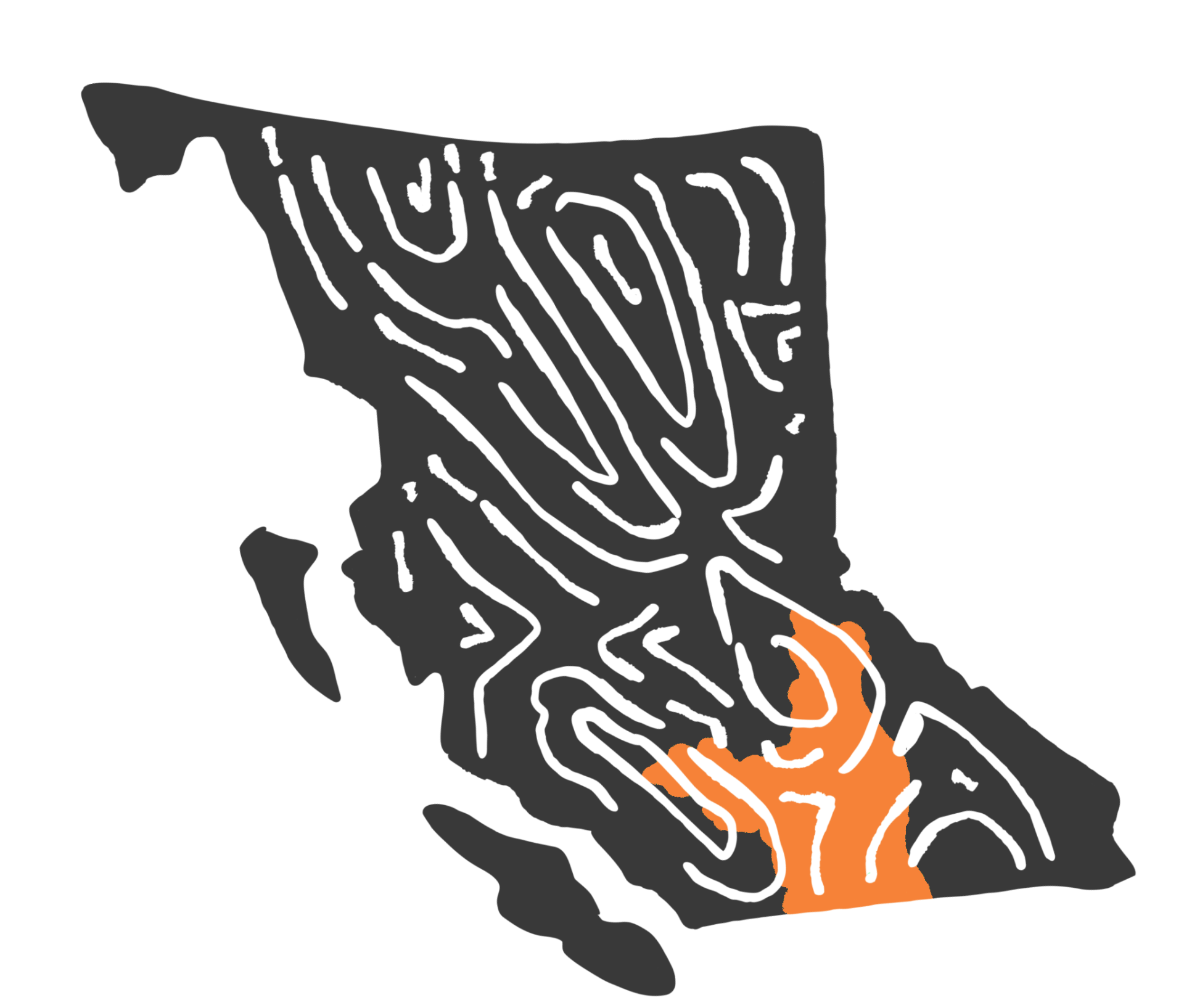



The Thompson-Okanagan

BC’s biodiversity heartland

The Thompson Basin extends from the Fraser River canyon to the Monashee Mountains. It’s characterized by gently rolling glacial benches covered in vast grasslands, sagebrush steppe, and dry forests, gradually becoming interior temperate rainforests as you head east. 

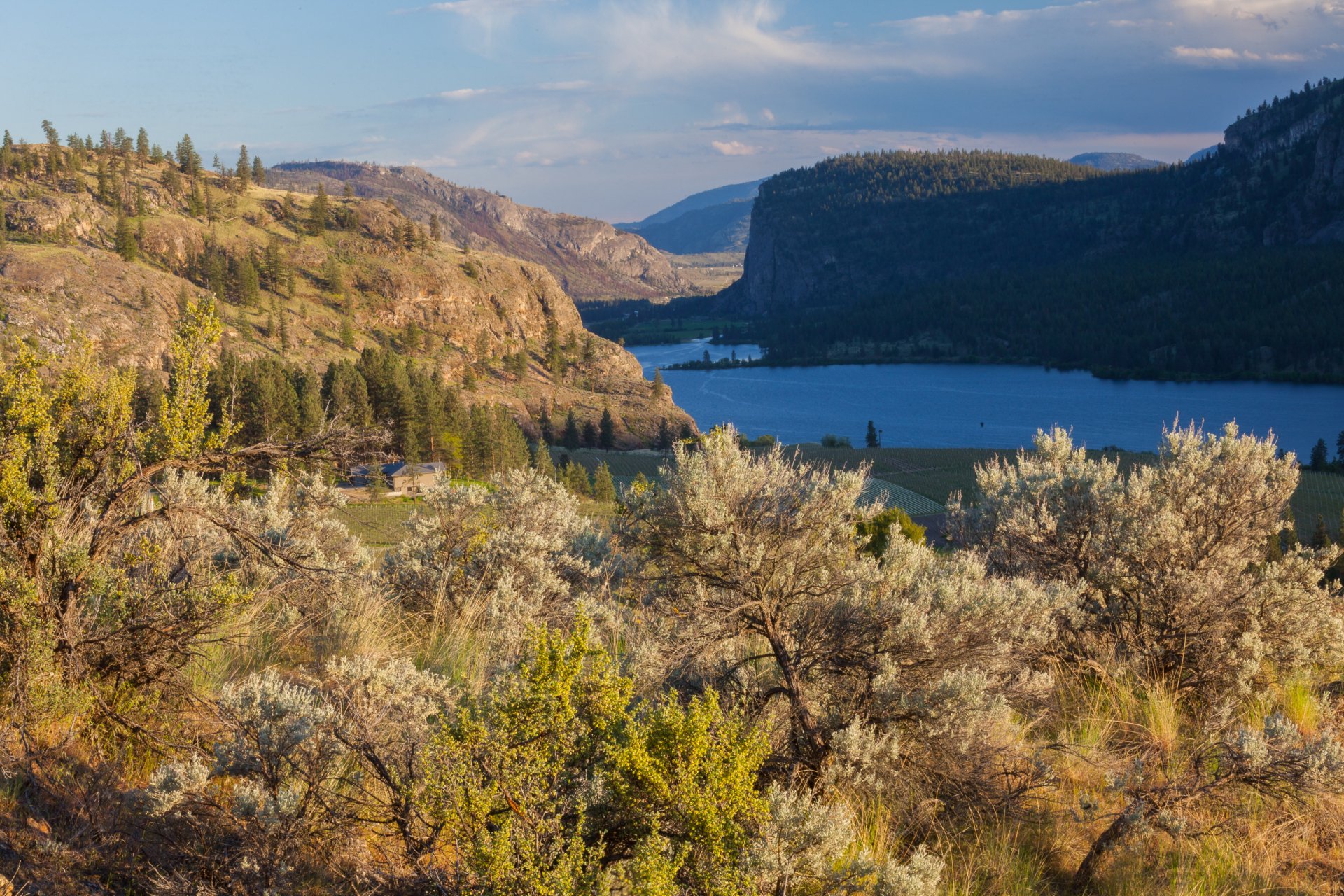
Below the Thompson, the Okanagan stretches to the southern border, bounded by the Cascade Mountains to the west and the Monashee Mountains to the east. Together the Okanagan and Similkameen river valleys form the northern end of North America’s Great Basin, more often associated with the vast drylands of the western United States.

Ecosystems

Where rare ecosystems converge

Grasslands, common in this region, cover only 1% of BC overall. They are highly vulnerable to invasive species, making them more endangered than coastal old-growth forests. The southern valleys, with their low rainfall, hot summers and mild winters, offer diverse habitats that are unique in Canada—from valley bottom lakes to alkaline ponds, grasslands, Antelope-brush steppe, and Ponderosa pine forests.

Desert

Canada’s only pocket desert

The Okanagan region is often referred to as Canada’s only pocket desert—it isn’t a true desert, but rather an extension of the semi-arid landscape of the Great Columbia Basin.  It is the most biodiverse area of BC, and also contains the most endangered, threatened and rare species.

Conservation

Together, we’re protecting a biodiversity hotspot

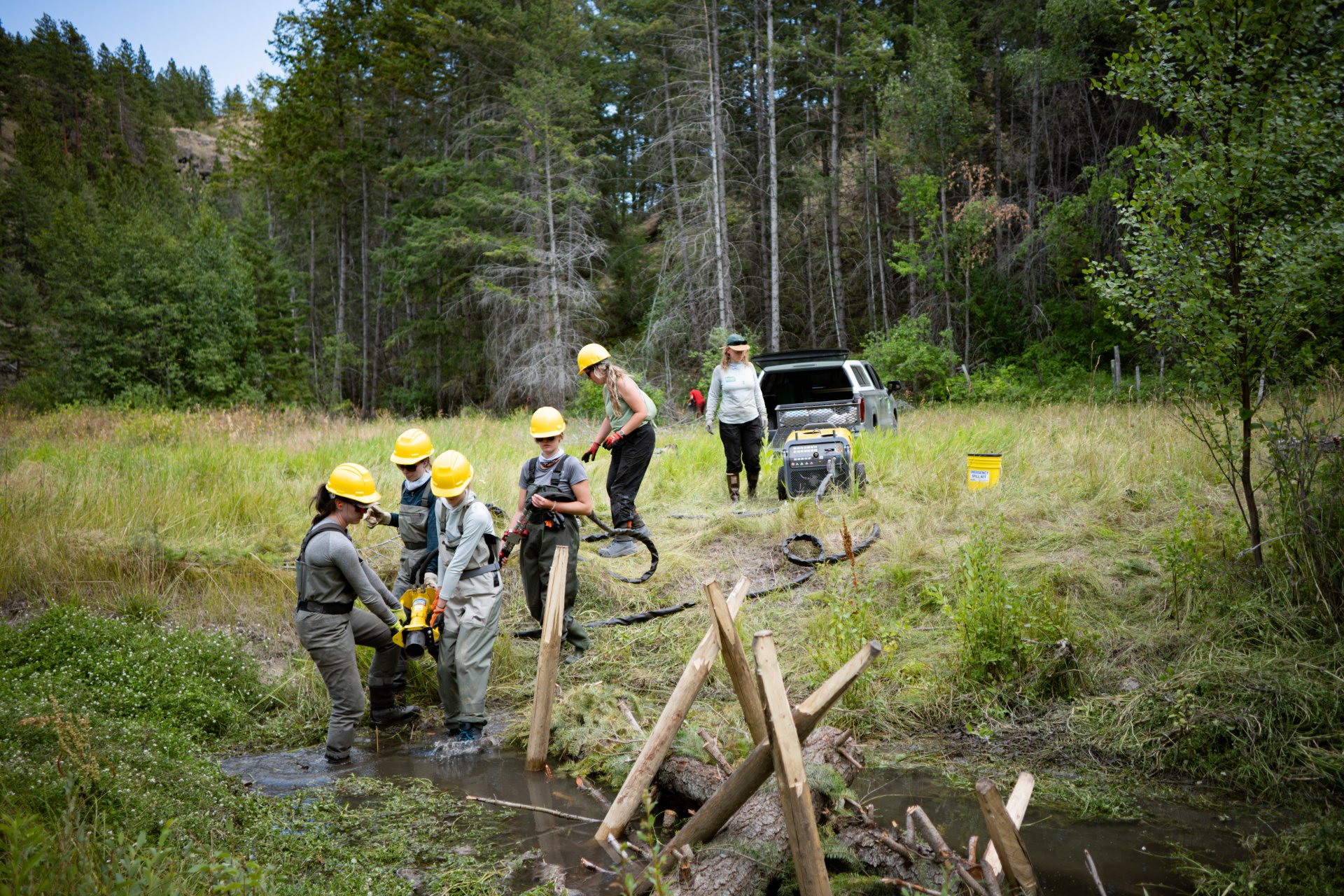
Our priority in the Okanagan is preserving the region’s last remaining grasslands, where many species are endangered. We’ve protected 82 conservation areas totalling nearly 130,000 acres. 

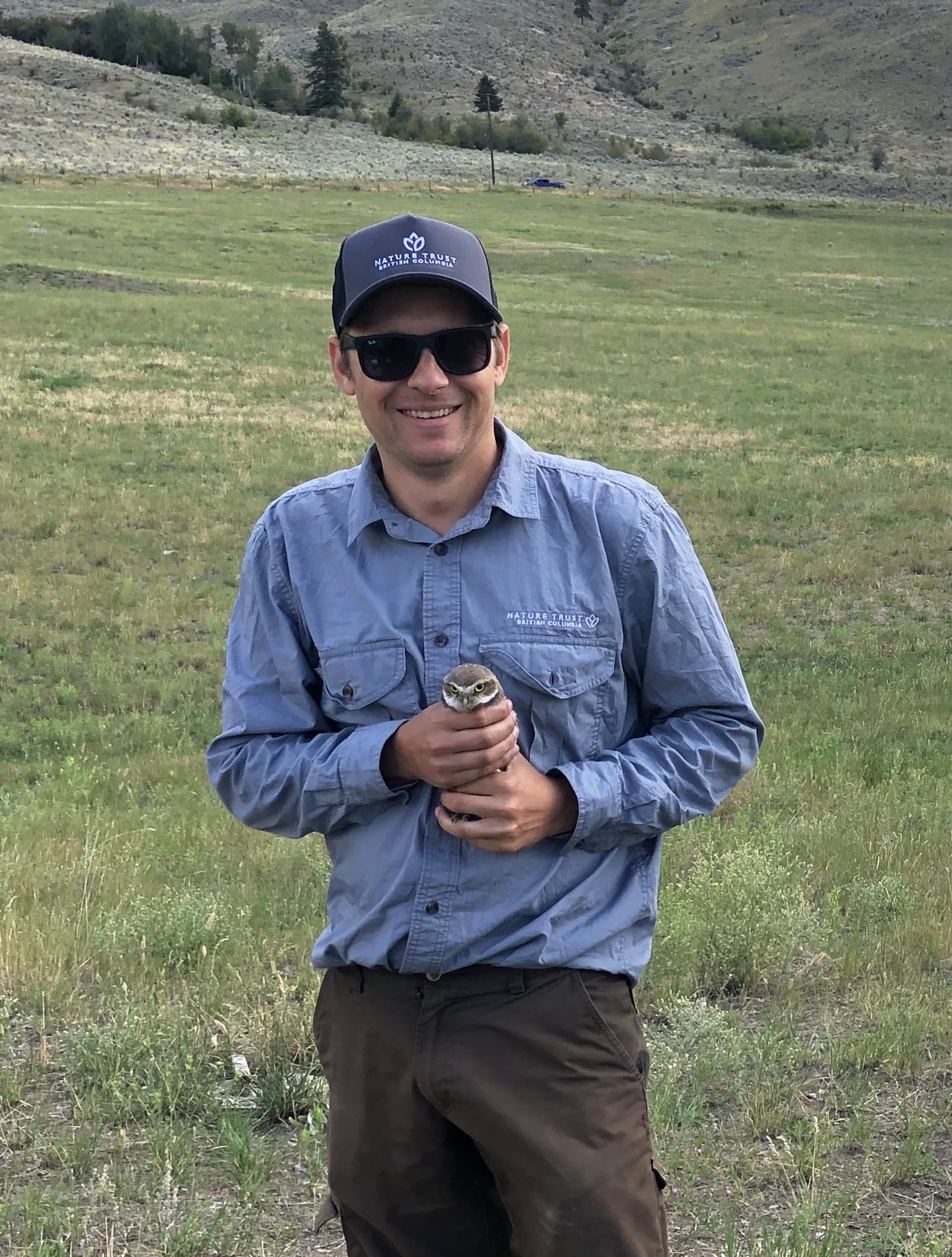
Nicholas Burdock,
Thompson-Okanagan Conservation Land Manager

Nicholas Burdock joined us in 2003 as a member of the Thompson-Okanagan Conservation Youth Crew. Since then, he has held several roles, including Wildlife Habitat Assistant, Field Operations Coordinator, and Conservation Land Coordinator, and now serves as Thompson-Okanagan Conservation Land Manager. Born and raised in Penticton, Nick is an avid outdoorsperson and enjoys the diverse nature the South Okanagan offers; from rare species to wine! He still calls Penticton home and is proud to be able to share his passion for nature and conservation with his two children. While he is still developing his appreciation for birds, his favourite grass is needle and thread grass- Hesperostipa comata. 

Nick holds a Bachelor of Science from the University of British Columbia.

Meet the Thompson-Okanagan Conservation Field Crew

Thompson-Okanagan Land Manager
Nicholas Burdock first started with NTBC as a member of the Thompson-Okanagan Conservation Youth Crew. He has since worked as a Wildlife Habitat Assistant, Field Operations Coordinator, Conservation Land Coordinator, and now as the Thompson-Okanagan Conservation Land Manager. Born and raised in Penticton, he enjoys all aspects of the outdoors from hiking to hunting. One of his favourite places in BC has to be Vaseux Lake with its world-class beauty. Nick has a Bachelor of Science from the University of British Columbia. Nick joined NTBC in 2003.
Okanagan Field Operations Coordinator
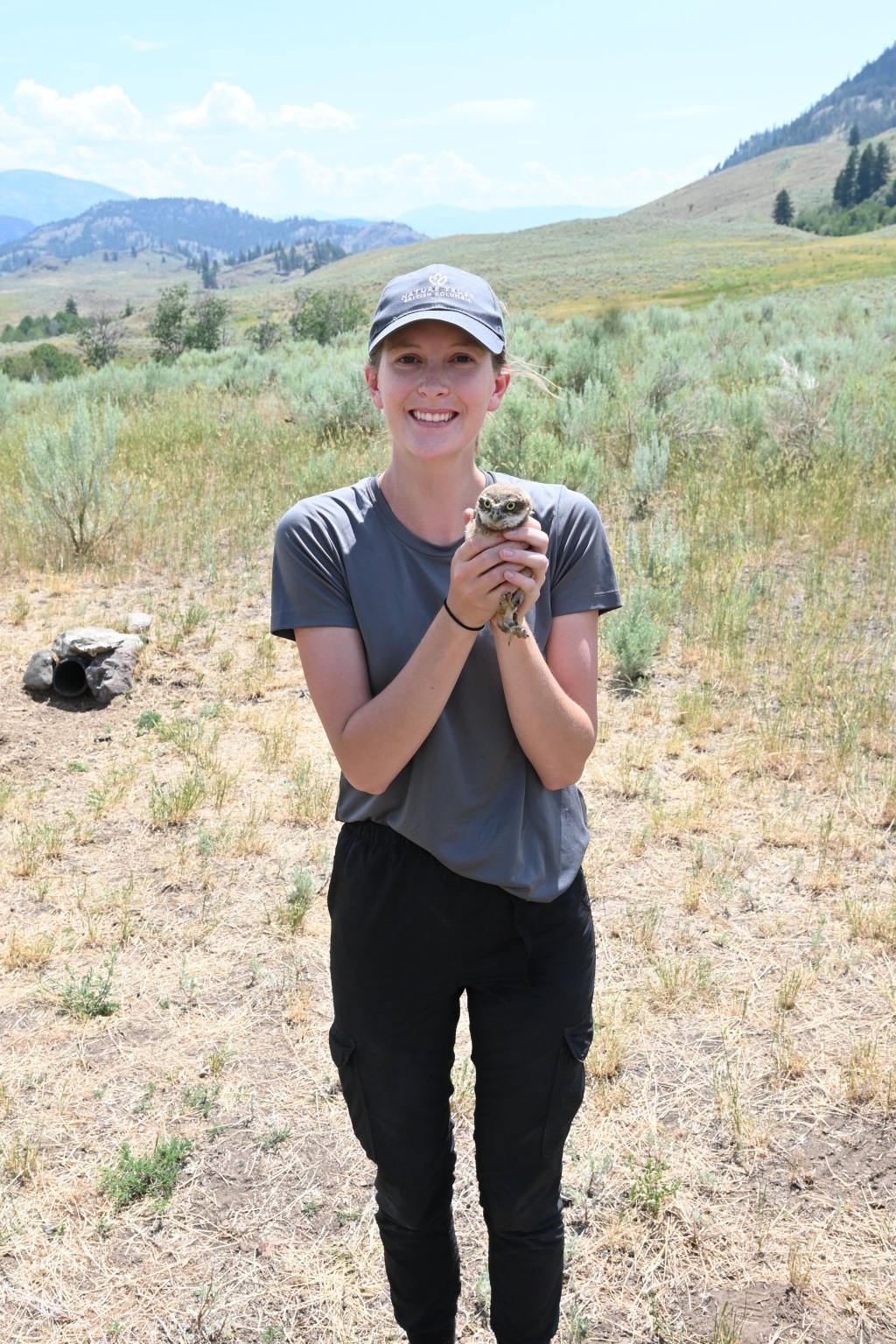
Tess (she/her) moved to BC from Saskatchewan in 2018, where she completed a Bachelor's of Science in Zoology from UBC Okanagan. She started working for NTBC in 2023 as a crew member and now works as the organization's Okanagan Field Operations Coordinator. Outside of work, Tess enjoys spending time outdoors, hiking, birding, and paddleboarding.
Burrowing owl
www.linkedin.com/in/tess-mccall-649b9422b

Stay up-to-date with us

This Remembrance Day, we’re highlighting the alpine glacier poppy (oreomecon pygmaea), a rare wildflower native to BC’s rocky peaks. Much like this resilient bloom that finds a way to thrive in the harshest of mountain environments, the strength and resilience of those who served our country continue to inspire us. Today, we pause to honour their courage, reflect on their sacrifices, and recognize the lasting connections between service, community, and care for the land. 

Major General Bert Hoffmeister was one of Canada's greatest WWII leaders. After defending his country on the battlefield, he returned home to dedicate himself to protecting BC's landscapes and biodiversity, serving as founding chairman of NTBC for 20 years. His story reminds us that service doesn't end when the uniform comes off, and that a legacy of courage can take many forms. We honour a legacy of bravery that runs as deep as NTBC's roots. 

Today, we are reminded that remembrance is also about carrying these legacies forward. Whether through honouring those who served or protecting the landscapes and ecosystems that sustain us all, we each have a role to play in conserving what matters for generations to come. 

🏷️ Illustration by Jessie Leonard
Sculpins and Sticklebacks, oh my! 

🐟 Last week, the NTBC South Coast field conservation crew partnered with the Squamish River Watershed Society to survey fish populations and water quality in the Squamish Estuary. The survey collected baseline data on fish species composition, relative abundance, and size structure, and tracks rare, endemic, and juvenile populations over time. The work supports the ongoing Central Estuary Restoration Project (CERP), which is currently improving water quality between waterways in the estuary. 

Crew members quickly moved each catch into buckets of water, identified and measured the fish, then safely released them back into their habitat! 

@squamishwatershed @ntbc_southcoastcrew #ntbc #conservation #wildlife #foryou #explorepage✨
🧟‍♂️🐟These “zombie salmon” aren’t part of a horror movie, and they aren’t as scary as they sound. These fish are a natural phenomenon that play a vital role in the health of BC’s forest ecosystems 

After spawning, Pacific salmon like Chinook and sockeye become swimming zombies, their bodies breaking down as they complete their life cycle. But here’s the real horror: when salmon runs disappear, so do entire forests. 

Salmon carcasses are nutrient powerhouses. Bears, eagles, and wolves scatter their remains into the forest, where mycorrhizal fungi pull up nitrogen, phosphorus, and carbon from the rotting flesh. The mycorrhizal fungi act as nutrient pipelines, transferring salmon-derived nitrogen directly to tree roots and allowing trees like cedar and hemlock to absorb up to 75% of their nitrogen from salmon! 

For NTBC, habitat restoration projects and securing protected estuaries and waterways are aiding in the race to revive salmon runs before the forests they feed collapse. 

No salmon = no fungi = no trees. And no trees mean no clean water, no carbon storage, and no future for wildlife. That’s the real horror story this Halloween 🎃🐟

Learn more about how we are improving salmon habitat in BC’s estuaries with the link in bio 🌱

#ntbc #foryou #salmon #explore #bc
🍄‍🟫🍂Spooky season is almost over, but autumn continues, leaving plenty of fallen leaves for Pacific banana slugs to break down and nourish the forest floor ahead of spring regeneration. 

Slug excretions provide nitrogen-rich fertilizer for plants and spread spores and seeds that support forest regeneration. By breaking down fallen leaves each autumn, banana slugs make way for new understory growth in spring. 

You can see the slug’s “radula” - a tongue covered in microscopic teeth that it uses to munch on almost anything it finds to break down! 

ℹ️ @mountaineersorg “Did You Know | Pacific Banana Slug” 

#ntbc #conservation #foryou #explore #wildlife
Lookout! 🚨🐸There’s an invasive European wall lizard (Podarcis muralis) behind you! 

Native to Europe, these lizards were introduced to southern Vancouver Island in 1967 and have gradually spread since then. As omnivores that eat insects, spiders, and small vertebrates such as frogs, they threaten native species such as the Pacific tree frog (also known as the Pacific chorus frog) through predation and competition. 

You can help reduce the impact of these invasive lizards by limiting basking spots in your yard, planting native flowers to support pollinators that wall lizards often eat, and supporting wetland restoration for amphibians 🦎

#ntbc #conservation #reel #foryou #frog