Showy Phlox
Hills
White Lake Basin Biodiversity Ranch, Thompson-Okanagan


Home to many rare species and sensitive ecological communities

Supports a high diversity of plant and animal species

Protects land in one of British Columbia’s most at-risk biogeoclimatic zones, helping conserve ecosystems under pressure
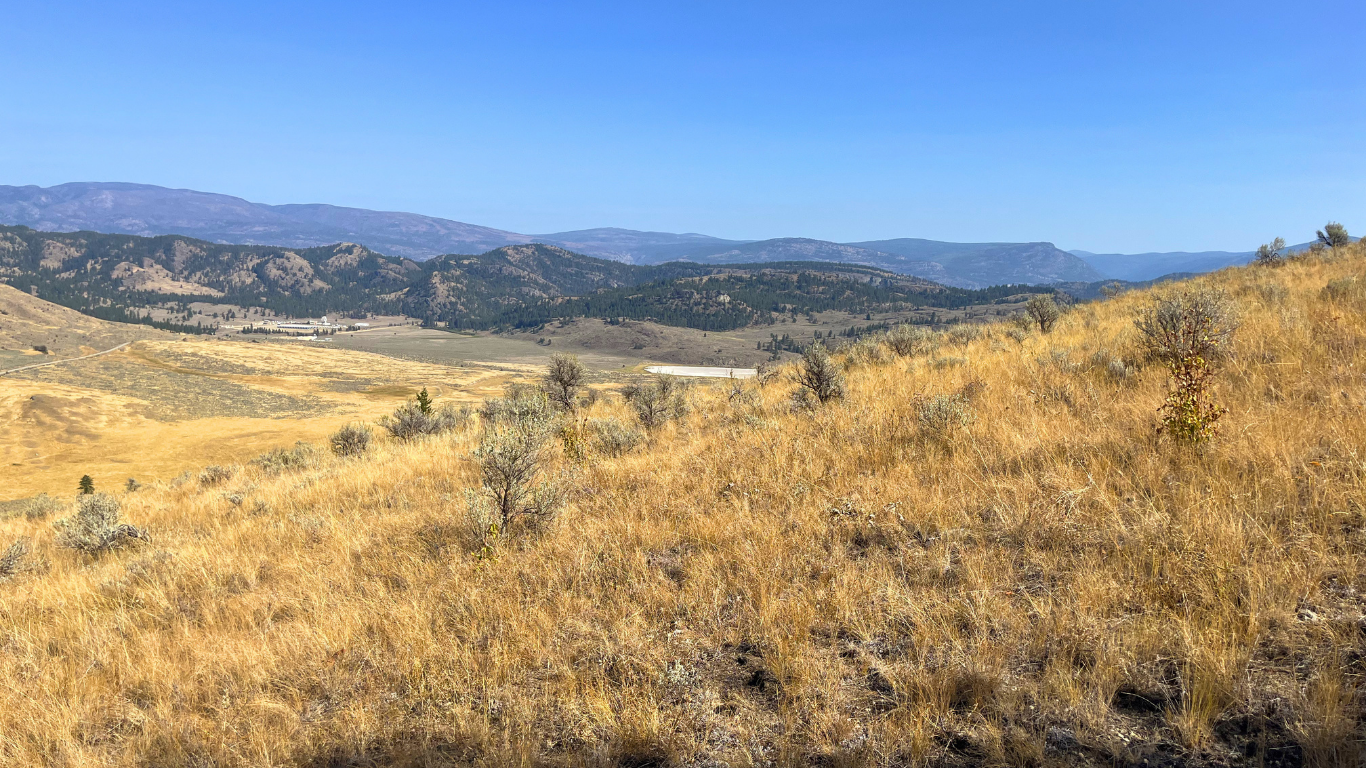
Thanks to you, we’ve raised the final $250,000 needed to protect 39 acres of sensitive dry interior ecosystems. This mosaic of rich grassland, sagebrush steppe, coniferous woodland, rocky outcrops, and riparian forest. This land is home to species at risk such as American badgers and sage thrashers.
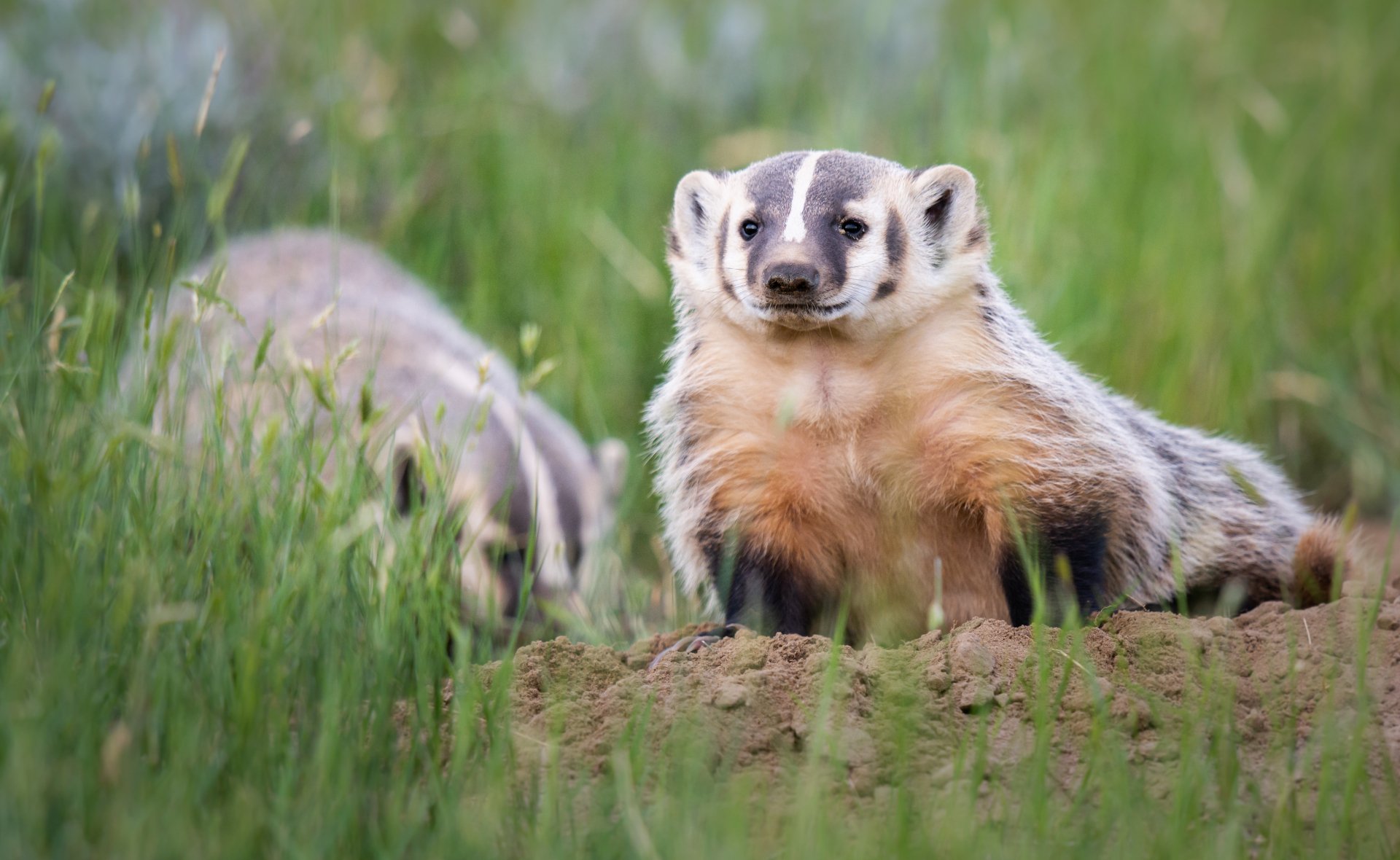
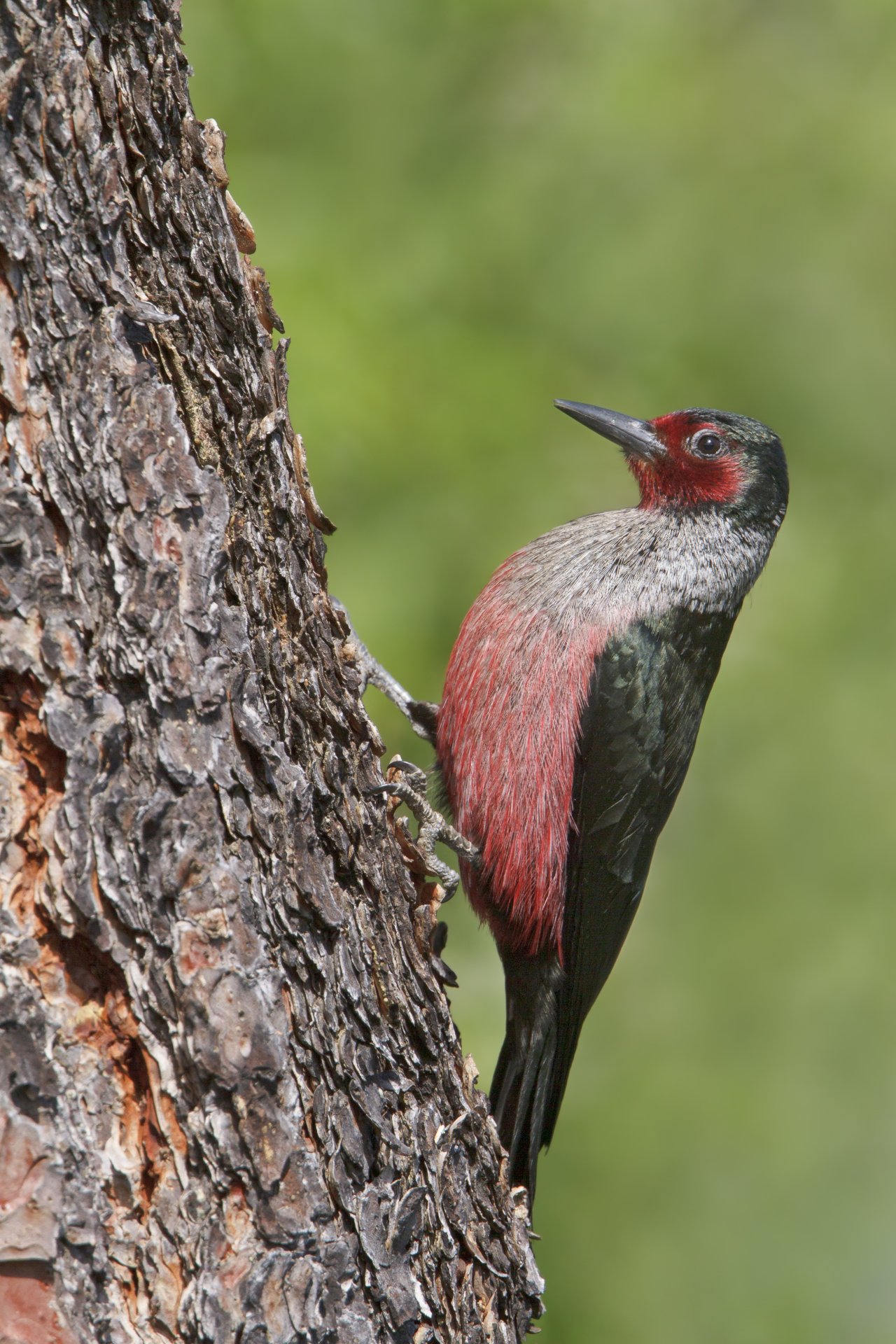
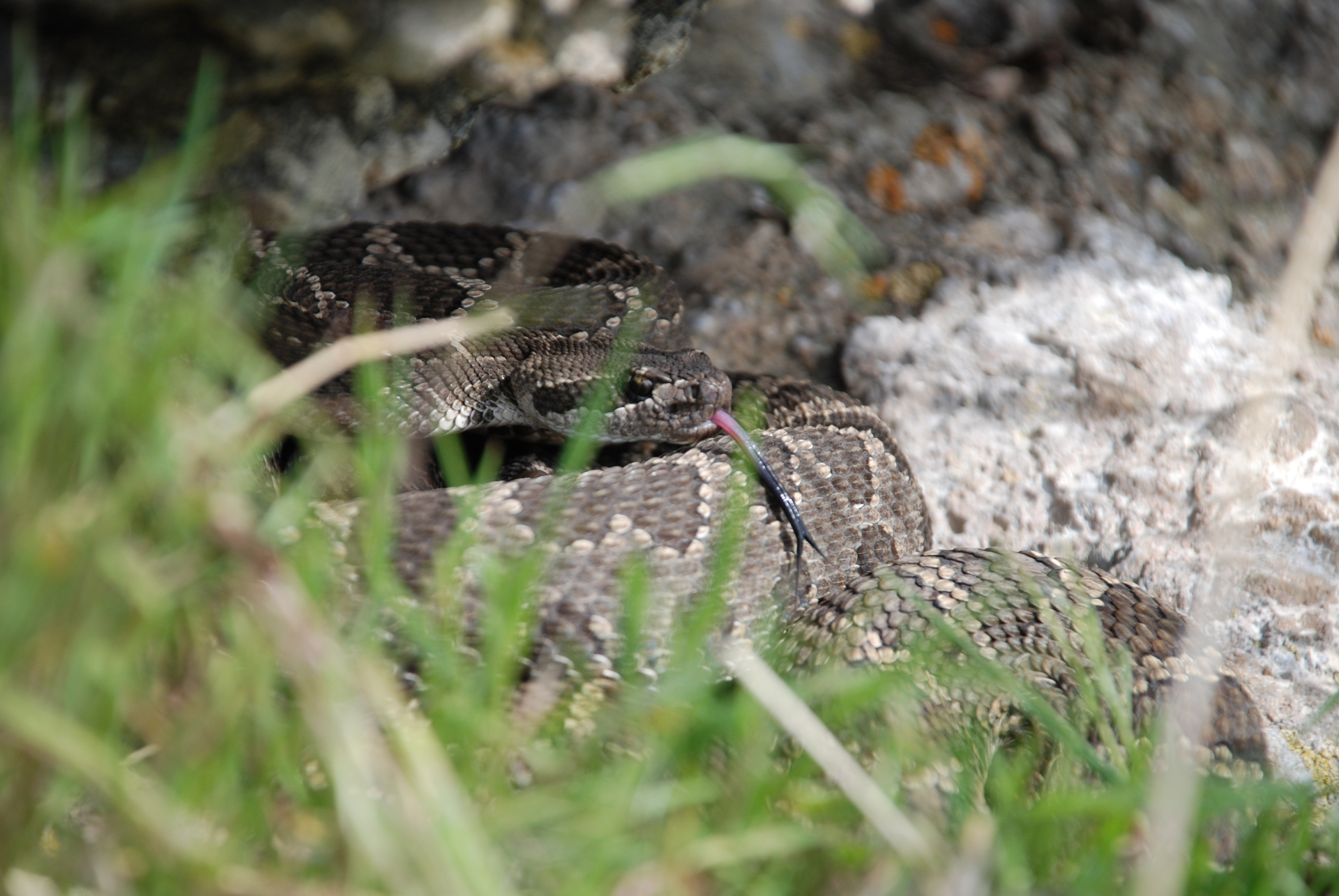
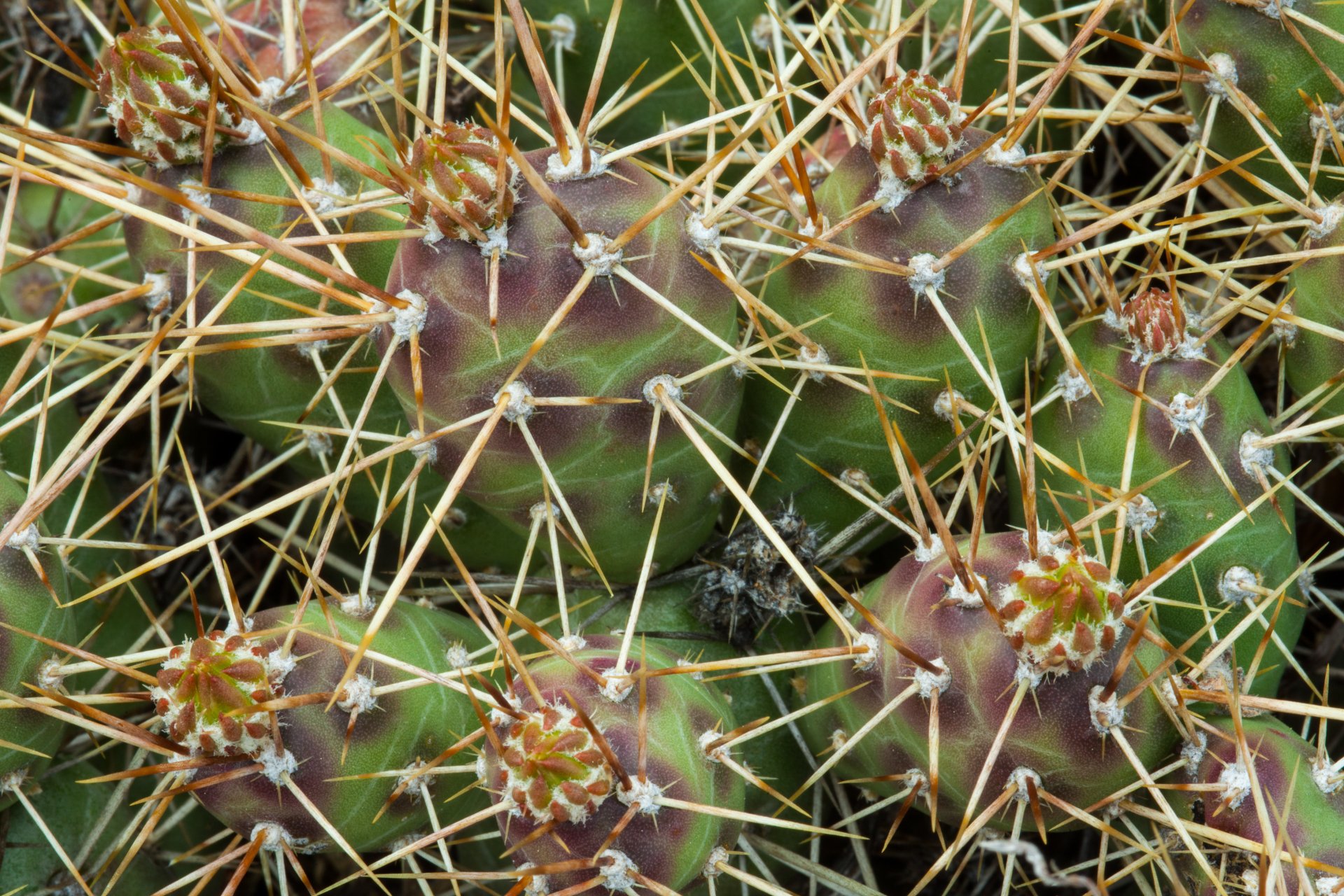
Showy Phlox Hills supports a wide range of species at risk, with federally designated critical habitat for the American badger, western rattlesnake, Great Basin gophersnake, pallid bat, Lewis’s woodpecker, sage thrasher, and western tiger salamander. The whole area is winter range for mule deer, supporting seasonal wildlife use in a dry landscape.
Photography: Glenn Bartley
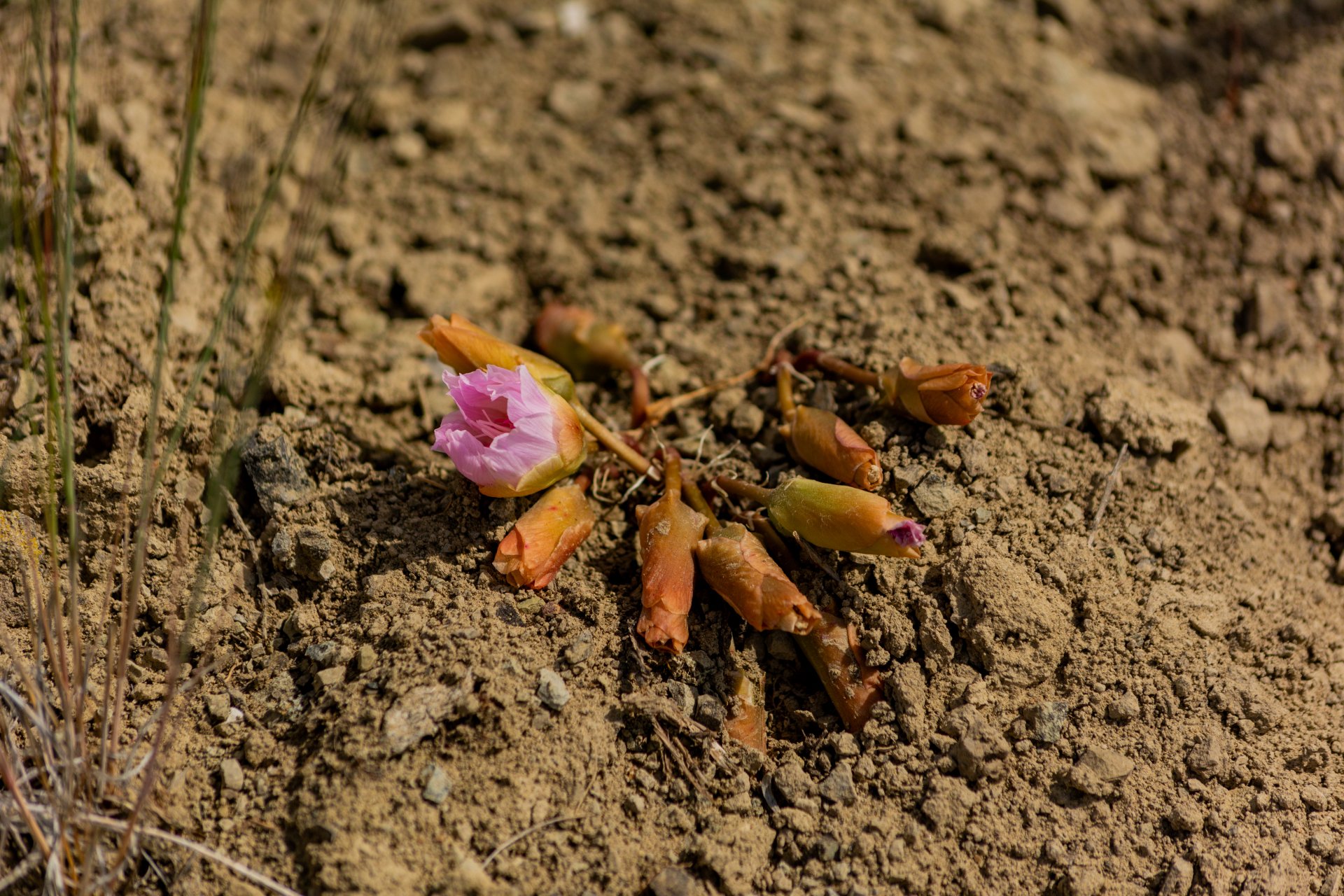
The entire parcel supports federally designated critical habitat for showy phlox, a beautiful, pink-flowering, threatened plant species. It also includes vital habitat for the threatened half-moon hairstreak butterfly and habitat for a range of grassland-dependent birds, including the bobolink and Brewer’s sparrow.
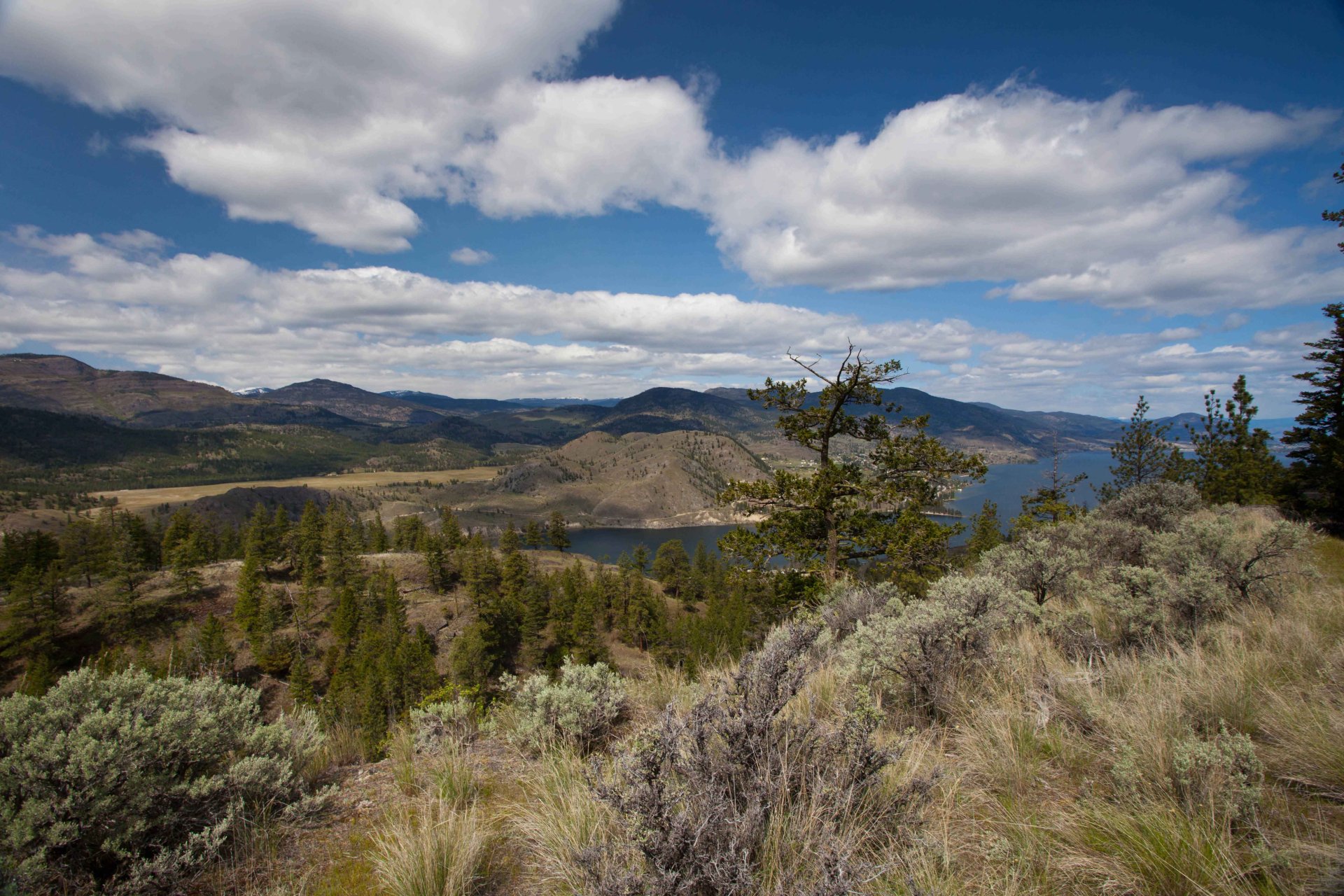
Protecting Show Phlox Hills has strengthened landscape connectivity in one of the most important grassland conservation complexes in BC.
Photography: Graham Osborne
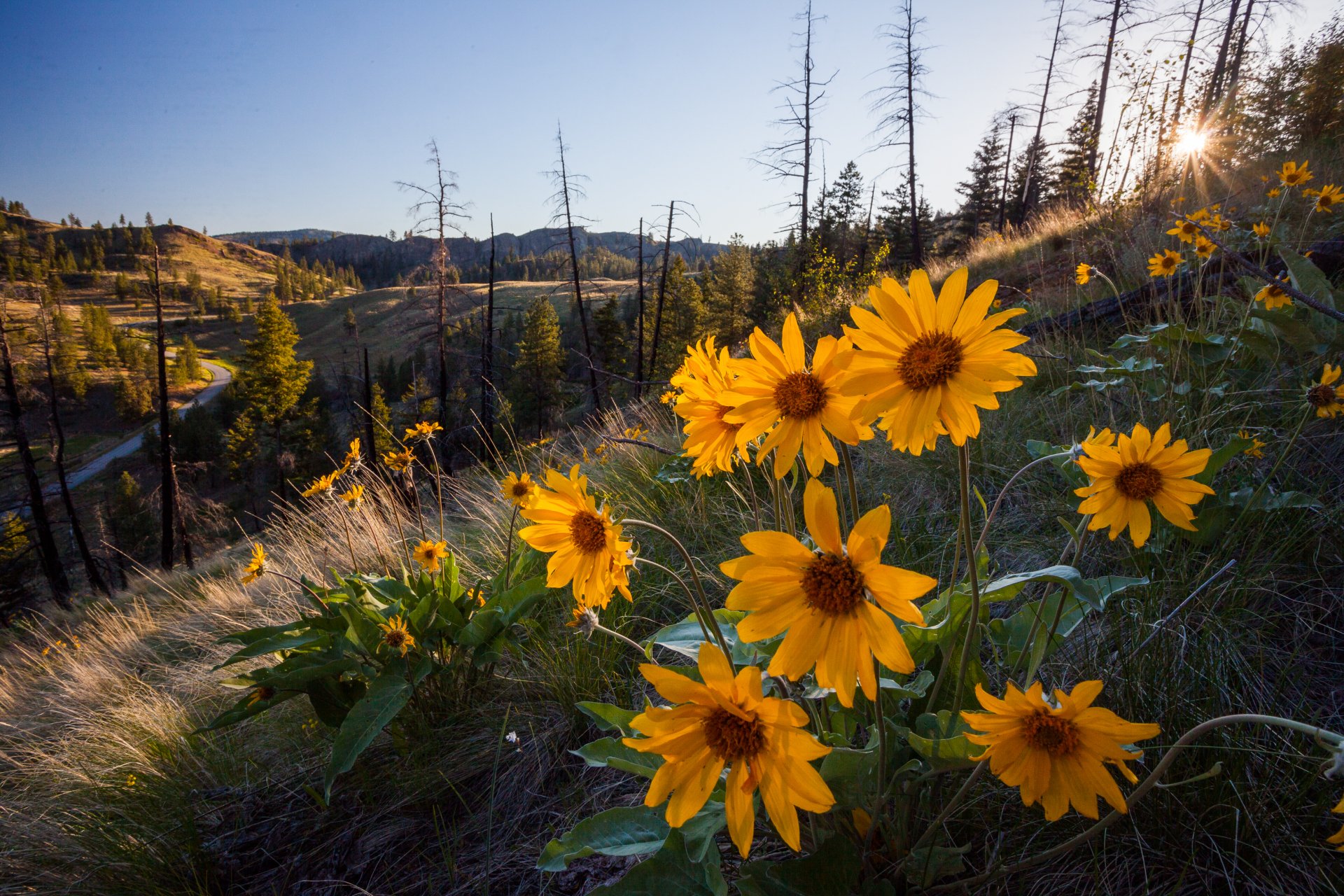
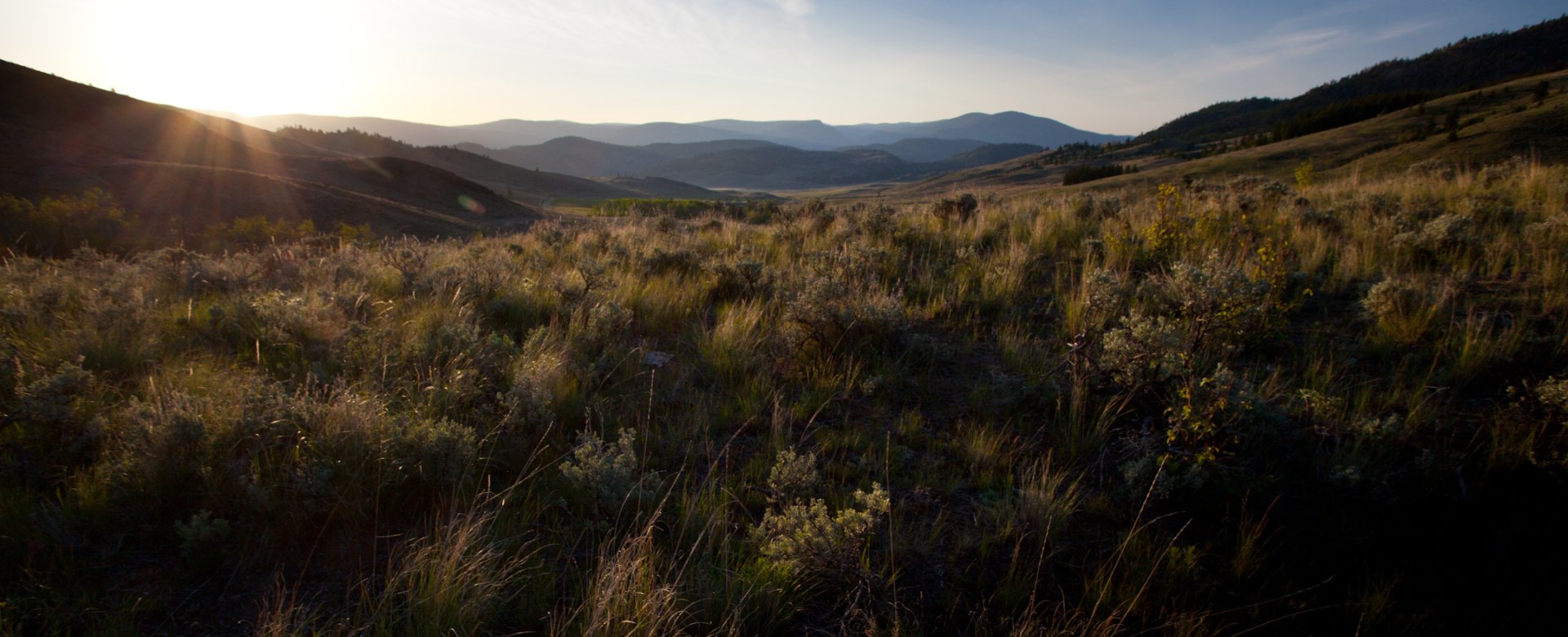
Approximately 70% of the parcel is sensitive grassland, and other rare and fragile ecosystems are scattered throughout the area. Temperate grasslands are among the most altered and threatened ecosystems globally, and they are considered endangered on most continents.
Photography: Graham Osborne
The land, known as Showy Phlox Hills, is within the traditional, ancestral, and unceded territory of the Syilx People of the Okanagan and Nlaka’pamux nations. Aksk̓aɪt (White Lake Basin) is a culturally and ecologically significant landscape within Syilx Nation territory.
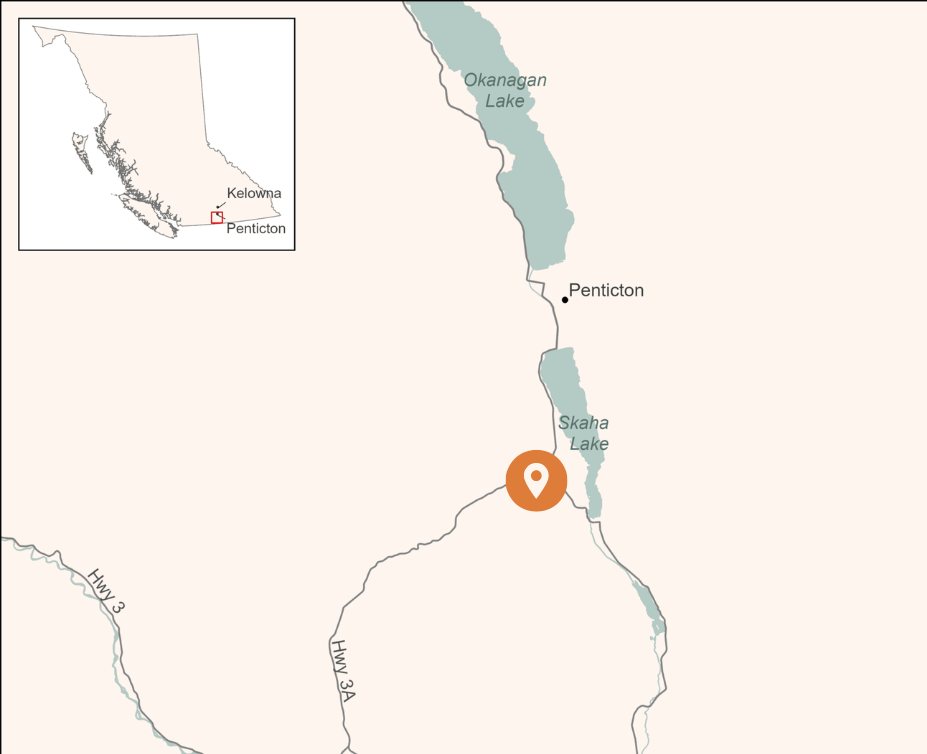
This parcel is largely in natural condition and adjoins our White Lake Biodiversity Ranch conservation complex in the south Okanagan. Protecting it will expand a connected conservation network to more than 26,000 acres, including the White Lake Grasslands Protected Area, Mahoney Lake Ecological Reserve, and Vaseux-Bighorn National Wildlife Area. The site contains many sensitive ecosystems, with the potential for multiple provincially red-listed or blue-listed ecological communities.
“I acquired this land, where my great-grandfather began ranching in 1917, with the intention of preserving it, so that if he chose to reappear and join me for a walk, it would be familiar to him,”
says Colin Browne, land donor. “I’d like the ranch and the valley to remain intact — to be cherished forever. Out here, one begins to understand the nature of time. By preserving the land in perpetuity, NTBC honours all those who, for millennia, have been stewards of this ancient, life-giving valley. I’m grateful for NTBC’s commitment to preserving the land as a site for education, for harvesting, for spiritual renewal, for environmentally positive farming, and as a haven for mammals, reptiles, plants, and flocks of local and migratory birds. I haven’t had a second thought since I decided to donate the land to NTBC. I hope others will follow my lead and ensure their land is cherished forever, too.”
Colin Browne
Photography: Nick Burdock
The land parcel was fully donated to NTBC. With your support, we raised the final $250,000 needed that will support stewardship, baseline ecological studies, infrastructure development, and long-term management. This work will be done in collaboration with local First Nations and conservation partners.
Public access to the site is limited due to the sensitive habitats and absence of infrastructure. As Showy Phlox Hills will be a part of White Lake Basin Biodiversity Ranch, where ranching is incorporated into conservation plans, the site will need careful management, including controlling invasive species and monitoring the effects of grazing.
Now protected, this extraordinary landscape will remain intact forever, protecting biodiversity, supporting climate resilience, and benefiting future generations.
With your support, we raised the final $250,000 needed to protect 39 acres of sensitive dry interior ecosystems. Donate to support ongoing stewardship of this land.

We gratefully acknowledge that our Vancouver office is located on the traditional, ancestral, and unceded territories of the xʷməθkʷəy̓əm (Musqueam), Sḵwx̱wú7mesh (Squamish), and səlilwətaɬ (Tsleil-Waututh) Nations, who have been stewarding this land since time immemorial. Our work and conservation areas encompass many lands throughout the province, and we humbly acknowledge the First Nations communities who live on and steward these lands.

Stay connected to the landscapes you help protect. Receive updates from the field, stories of conservation in action, and opportunities to support and experience BC’s natural places.