Lower Wolf
Creek
East Kootenay


Home to many rare species and sensitive ecological communities.

Supports a high diversity of plant and animal species.

Protects land in one of British Columbia’s most at-risk biogeoclimatic zones, helping conserve ecosystems under pressure.
We have now raised the funds needed to protect 422.5 acres of ecologically significant land in the East Kootenay region.
Thank you to the funders that made this project possible: Environment and Climate Change Canada, US Fish and Wildlife, Yellowstone to Yukon Initiative, along with the support of other generous donors.
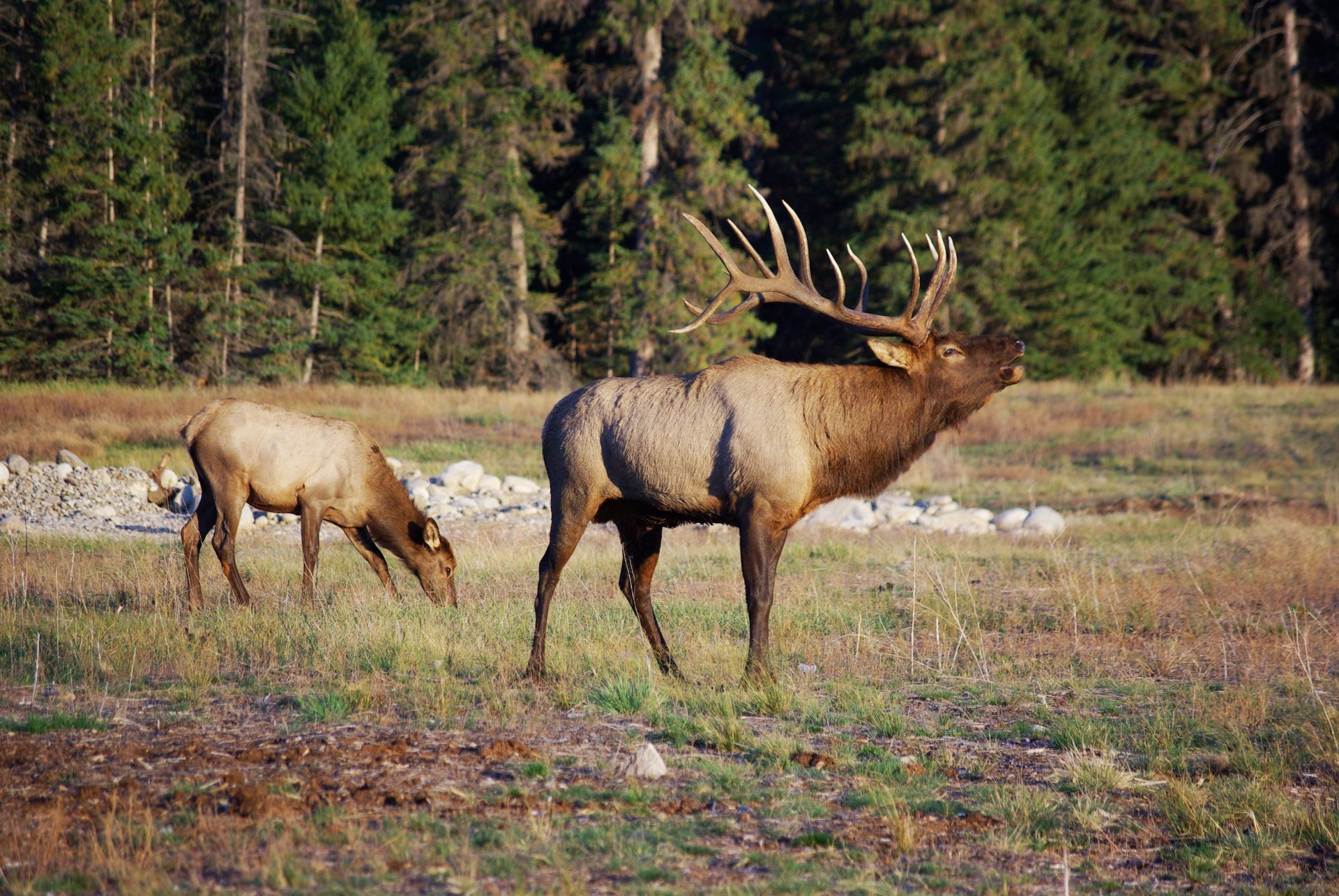
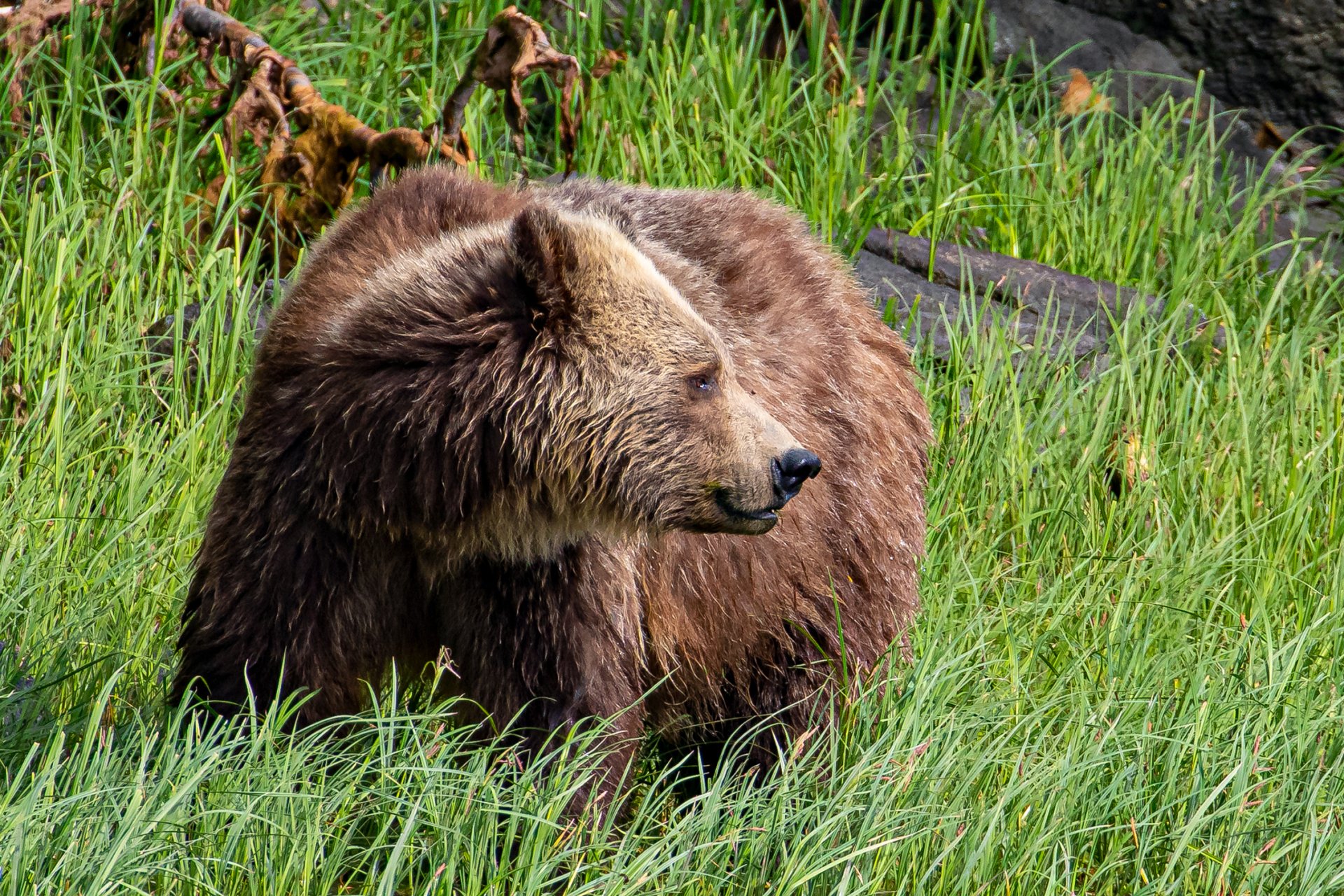
The conservation area contains an important wildlife corridor for American badger, grizzly bear, and elk.
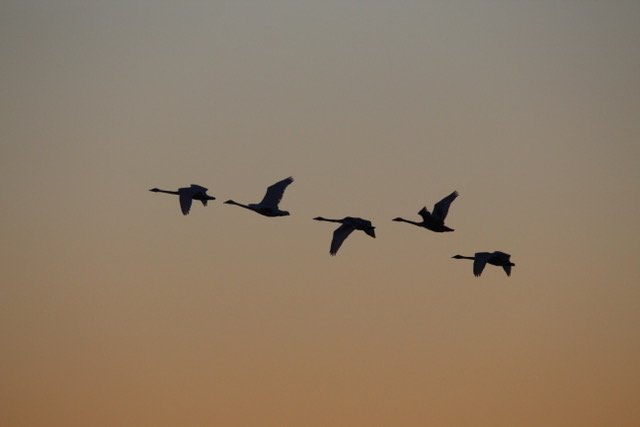
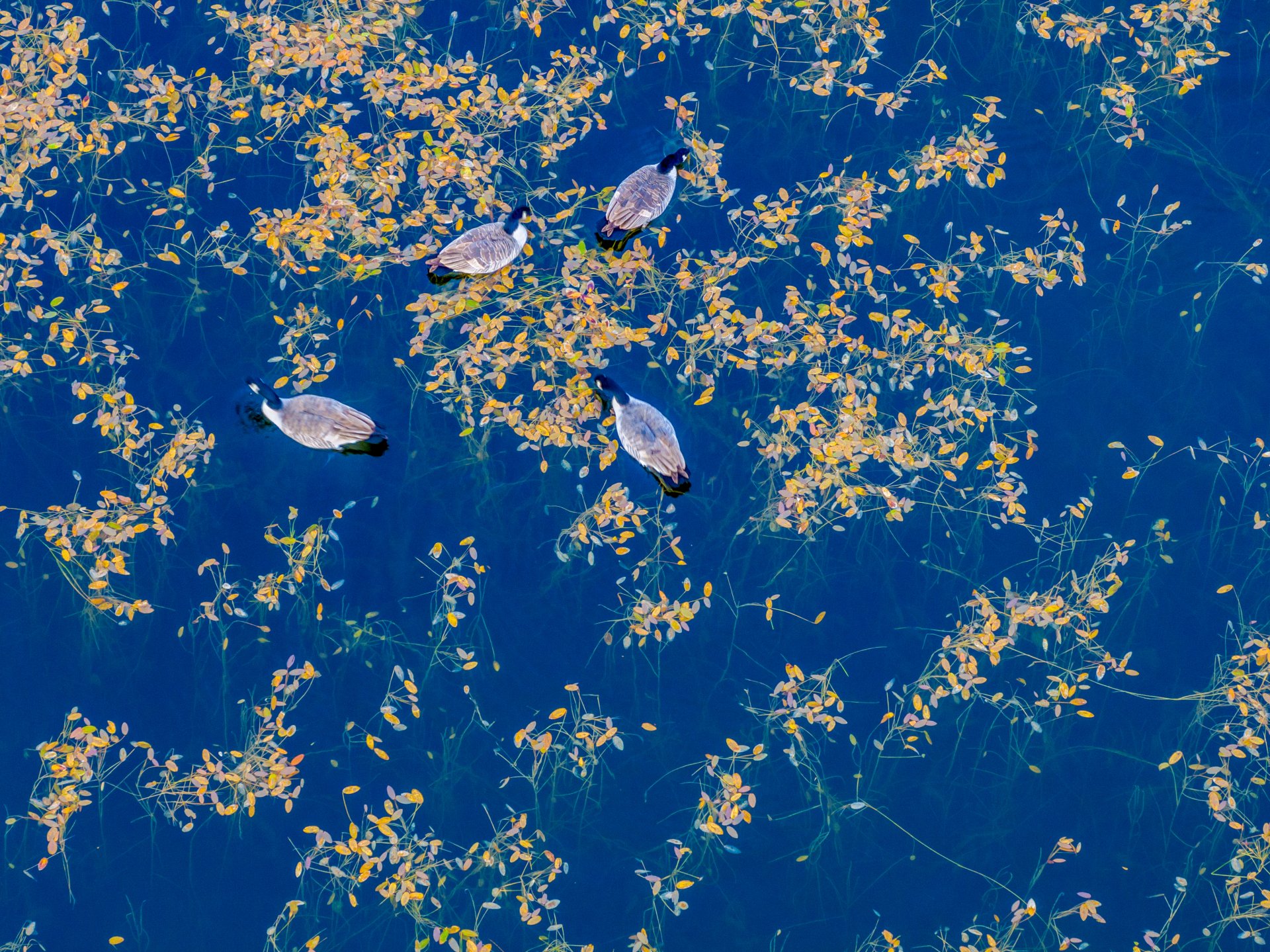
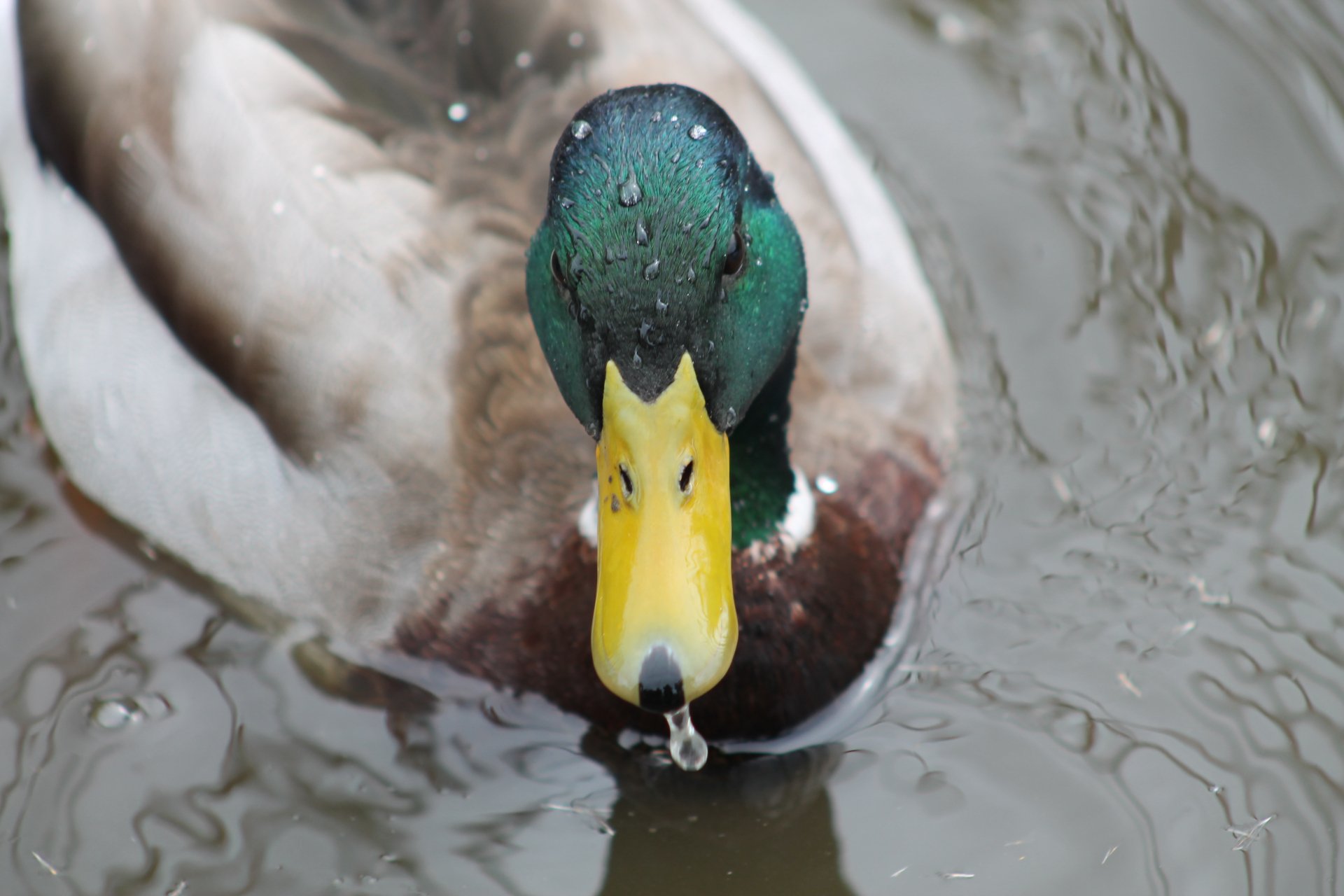
Lower Wolf Creek serves as a valuable stopover for migratory birds, especially waterfowl.
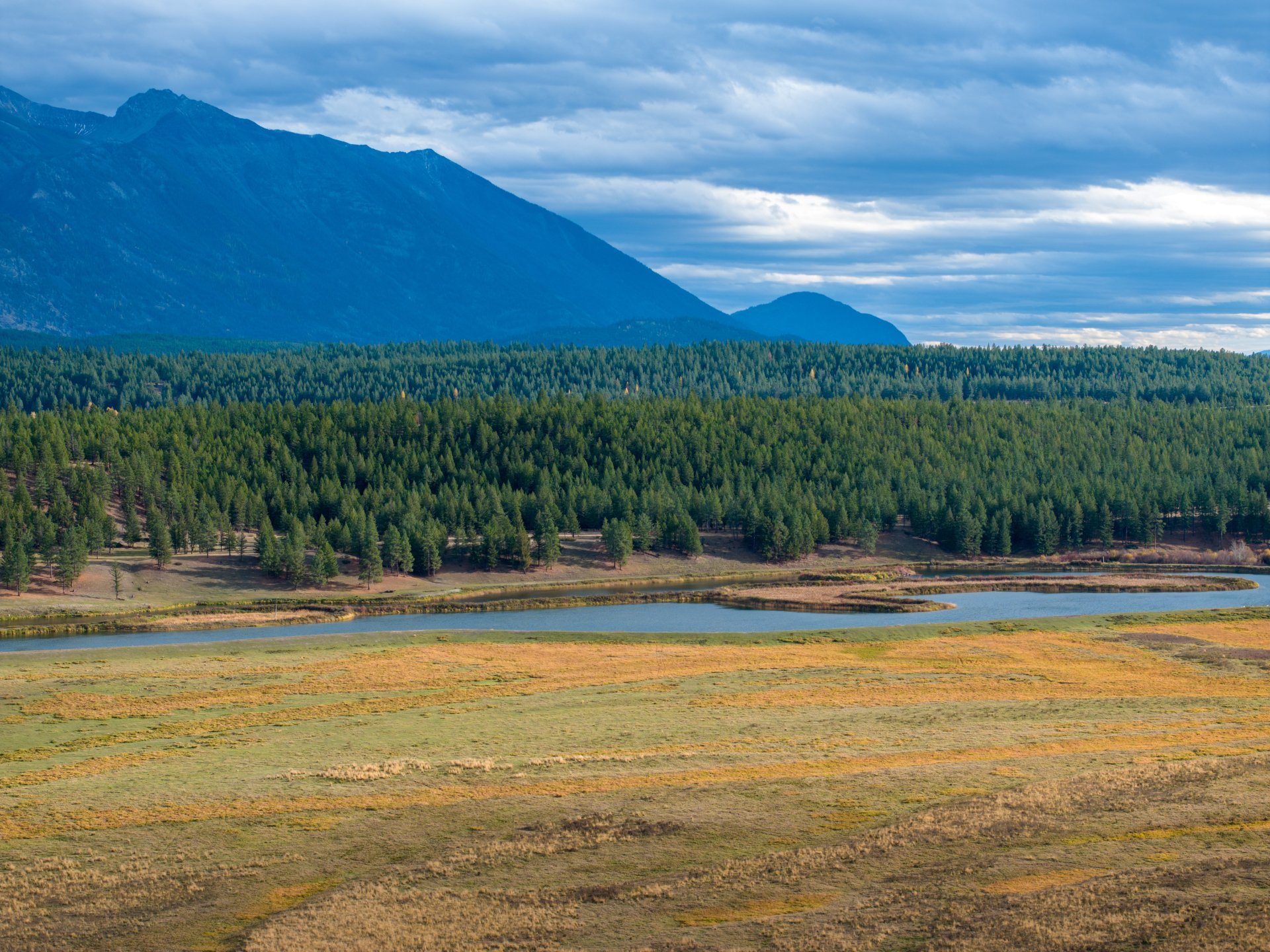
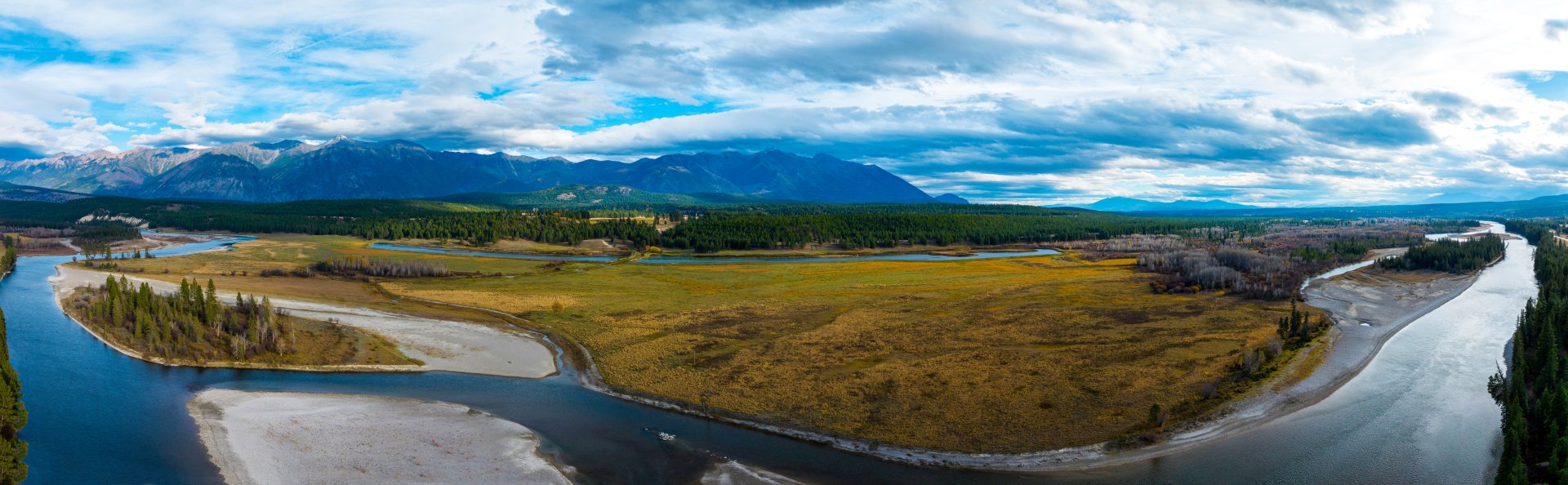
Lower Wolf Creek contains diverse ecosystems including floodplain wetlands, riparian and dry forests, and grasslands.
Lower Wolf Creek is located at the confluence of Wolf Creek and the Kootenay River. By securing Lower Wolf Creek, which is adjacent to 437.37 acres of existing provincial conservation land, NTBC has increased connectivity for wildlife while improving the resiliency of floodplain and benchland ecosystems along the Kootenay River.
Lower Wolf Creek is located within the unceded and traditional territory of the Ktunaxa Nation and is closest to the Ktunaxa community of ʔaq̓am. The conservation area is within the Interior Douglas-fir (IDF) biogeoclimatic zone and potentially contains at least seven at-risk ecological communities, which contribute to ecosystems rich with biodiversity.
The project is part of a cross-border partnership, thanks to the North American Wetlands Conservation Act, which allows U.S. taxpayers to triple their donation through Canadian, and U.S sources, including the U.S Fish and Wildlife Service.
Lower Wolf Creek provides essential habitat needs for a wide variety of species. It contains designated critical habitat for the Lewis’s woodpecker, which is listed as Threatened under the Species at Risk Act (SARA) as well as for American badger, which is listed as Endangered.
Additional federally listed at-risk species in the area include black swift (Endangered), barn swallow and bobolink (both Threatened), grizzly bear, common nighthawk, evening grosbeak, long-billed curlew, western toad, and the western painted turtle (all Special Concern).
The area is also within a Key Biodiversity Area (KBA) and provides habitat for several migratory waterfowl species, such as common goldeneye, trumpeter swan, cinnamon teal, tundra swan, and bufflehead. Lower Wolf Creek also contains winter range for mule deer, white-tailed deer and elk, while American beaver have also been observed.
The conservation of Lower Wolf Creek is part of NTBC’s unwavering commitment to conserving the most ecologically important and vulnerable habitats in the province with the mission of tackling the most urgent threats to our world today – the twin crises of climate change and biodiversity loss.
Many years ago, Ducks Unlimited Canada undertook a wetland creation project with the previous landowners to develop migratory waterfowl habitat. Securing this land ensures that these habitat values remain.

We gratefully acknowledge that our Vancouver office is located on the traditional, ancestral, and unceded territories of the xʷməθkʷəy̓əm (Musqueam), Sḵwx̱wú7mesh (Squamish), and səlilwətaɬ (Tsleil-Waututh) Nations, who have been stewarding this land since time immemorial. Our work and conservation areas encompass many lands throughout the province, and we humbly acknowledge the First Nations communities who live on and steward these lands.

Stay connected to the landscapes you help protect. Receive updates from the field, stories of conservation in action, and opportunities to support and experience BC’s natural places.