Hleep’te Creek
Estuary
Nootka Sound, West Coast

Selected for its ability to strengthen connections between existing protected areas and support larger, more resilient landscapes.

Demonstrated strong ecological integrity and low levels of degradation relative to surrounding landscapes.

Identified as an important opportunity to improve protection for ecosystems that are currently underrepresented in conserved lands across the province.
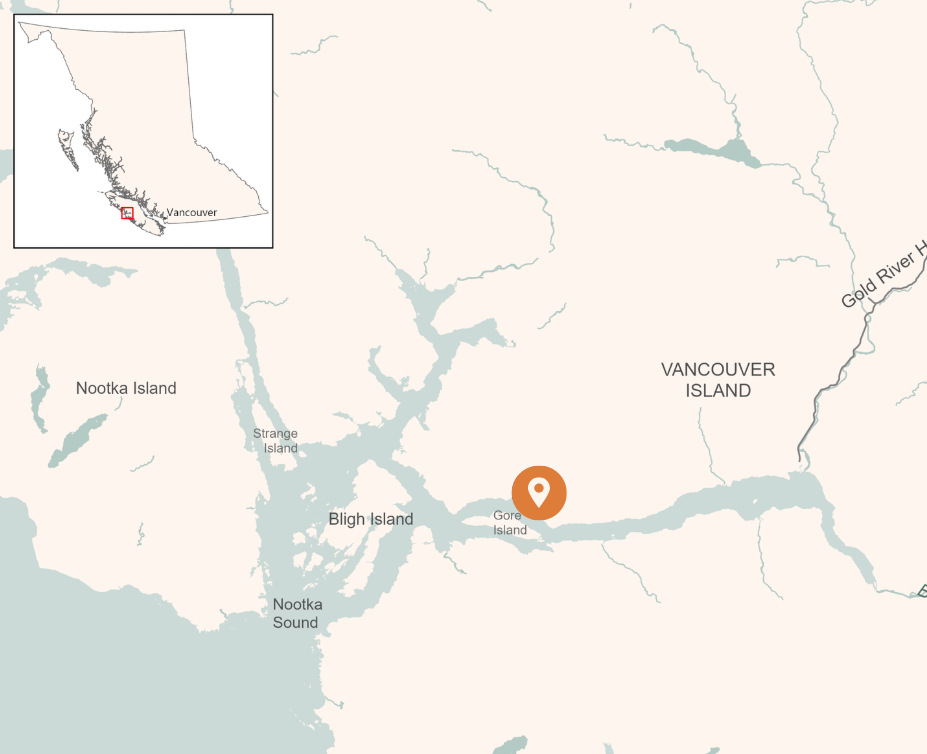
The Mowachaht/Muchalaht First Nation and The Nature Trust of BC are working to protect a remarkable place in Nootka Sound on Vancouver Island, British Columbia, Canada, known as Hleep’te Creek Estuary. Thanks to donors like you, we successfully raised $495,000 by the end of 2025 to implement plans to co-steward and manage this land with Mowachaht/Muchalaht First Nation and their Salmon Parks Stewardship Society.
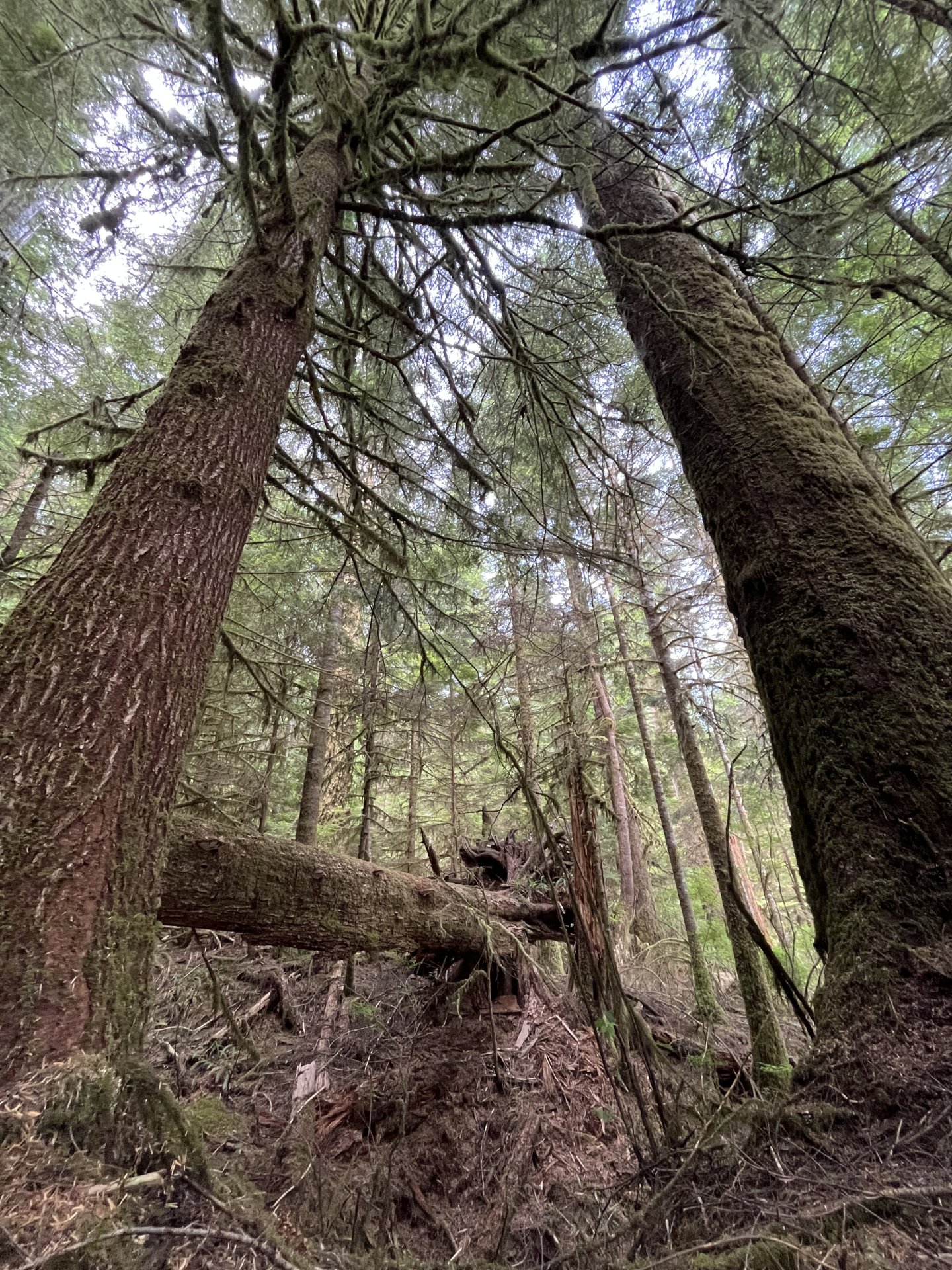
47 acres of forest in this area is expected to be older than 250 years old.
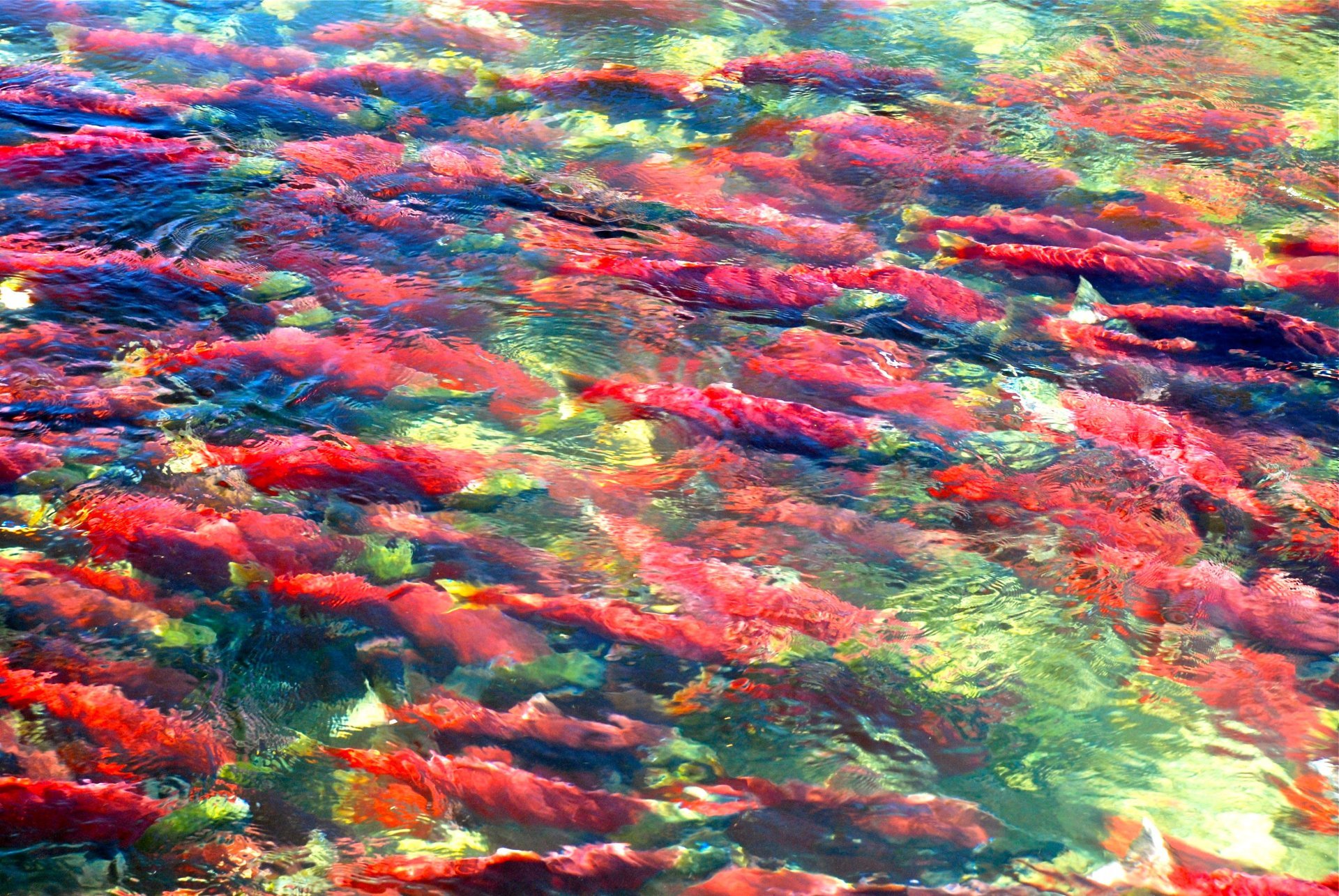
Hleep’te Creek Estuary provides essential habitat for all five species of Pacific salmon, steelhead, cutthroat trout, threatened birds, and endangered bats.
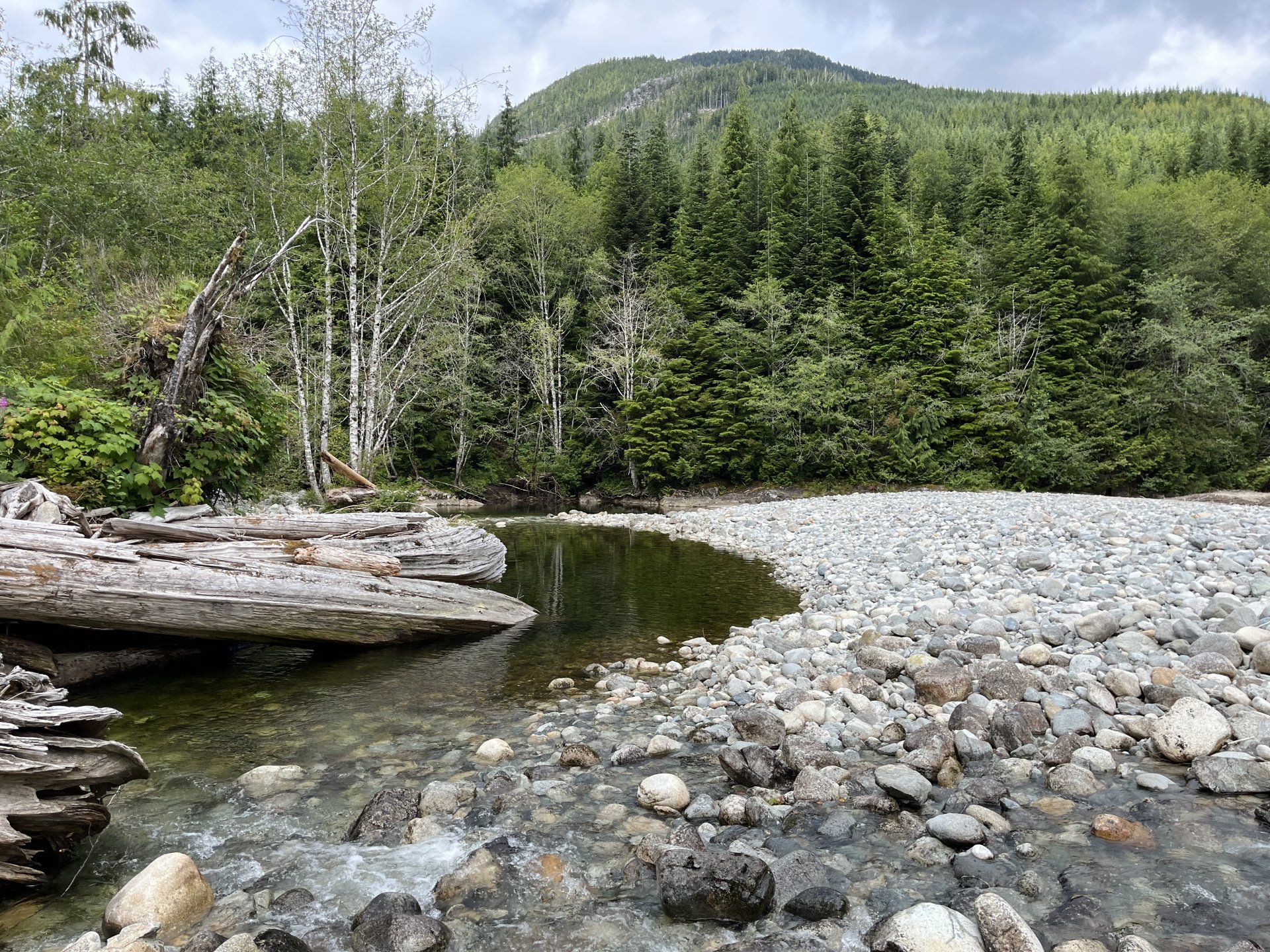
By drawing down atmospheric carbon and maintaining healthy watersheds, the maturing and old-growth forests of Hleep’te Creek Estuary play a critical role in building climate resilience for both nature and communities.
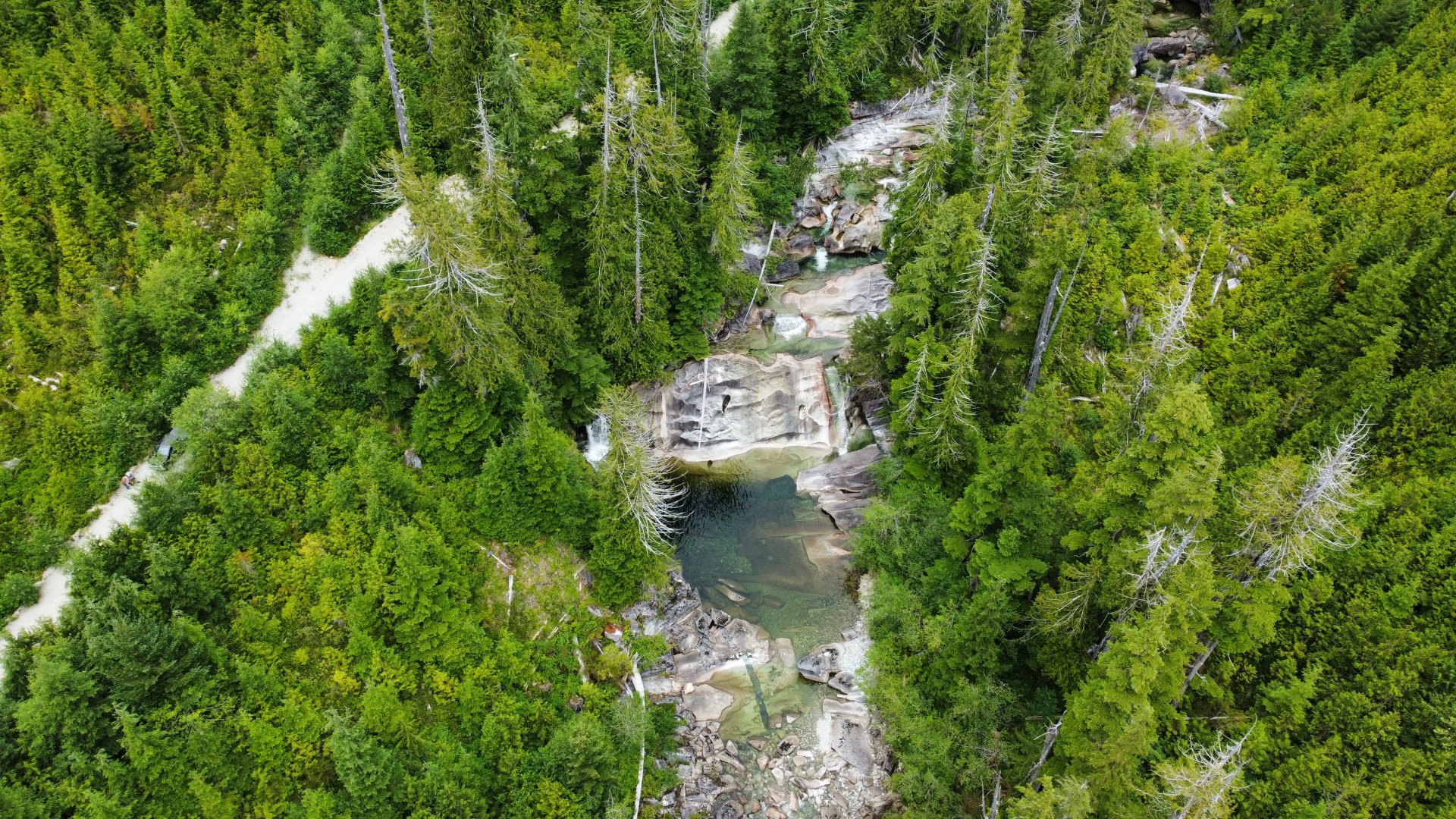
The conservation area will be co-managed and stewarded with the Nation and their Salmon Parks Stewardship Society.
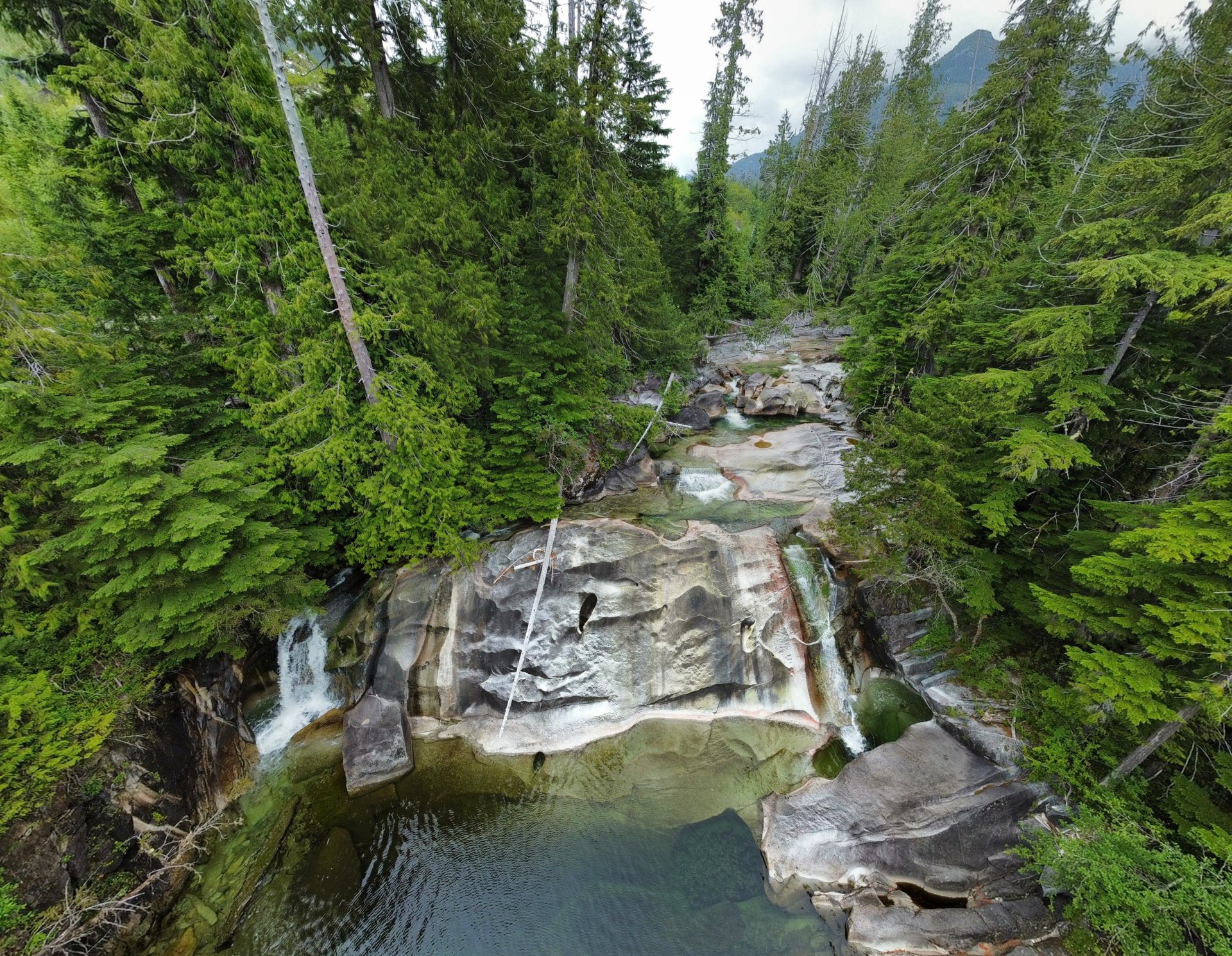
Hleep’te Creek Estuary protects 475 acres of land including estuary ecosystems, riparian ecosystems, and old growth forest. Hleep’te Creek Estuary supports all five species of Pacific salmon based on historical records and provides habitat for iconic species like Roosevelt elk, black bears, deer, and cougars, the threatened marbled murrelet, as well as two species of endangered bats (little brown myotis and northern myotis).
Hleep’te Creek Estuary is within the traditional, unceded territory of the Mowachaht/Muchalaht First Nation. This estuary is also an extremely important cultural area for the Nation, with whom NTBC will co-manage the conservation area as part of Mowachaht/Muchalaht First Nation’s Salmon Parks Stewardship Society. This Indigenous-led initiative works to restore wild salmon by recovering key watersheds in Nootka Sound. Conserving Hleep’te Creek Estuary will safeguard salmon habitat, protect old-growth forests, and strengthen climate resilience for future generations.
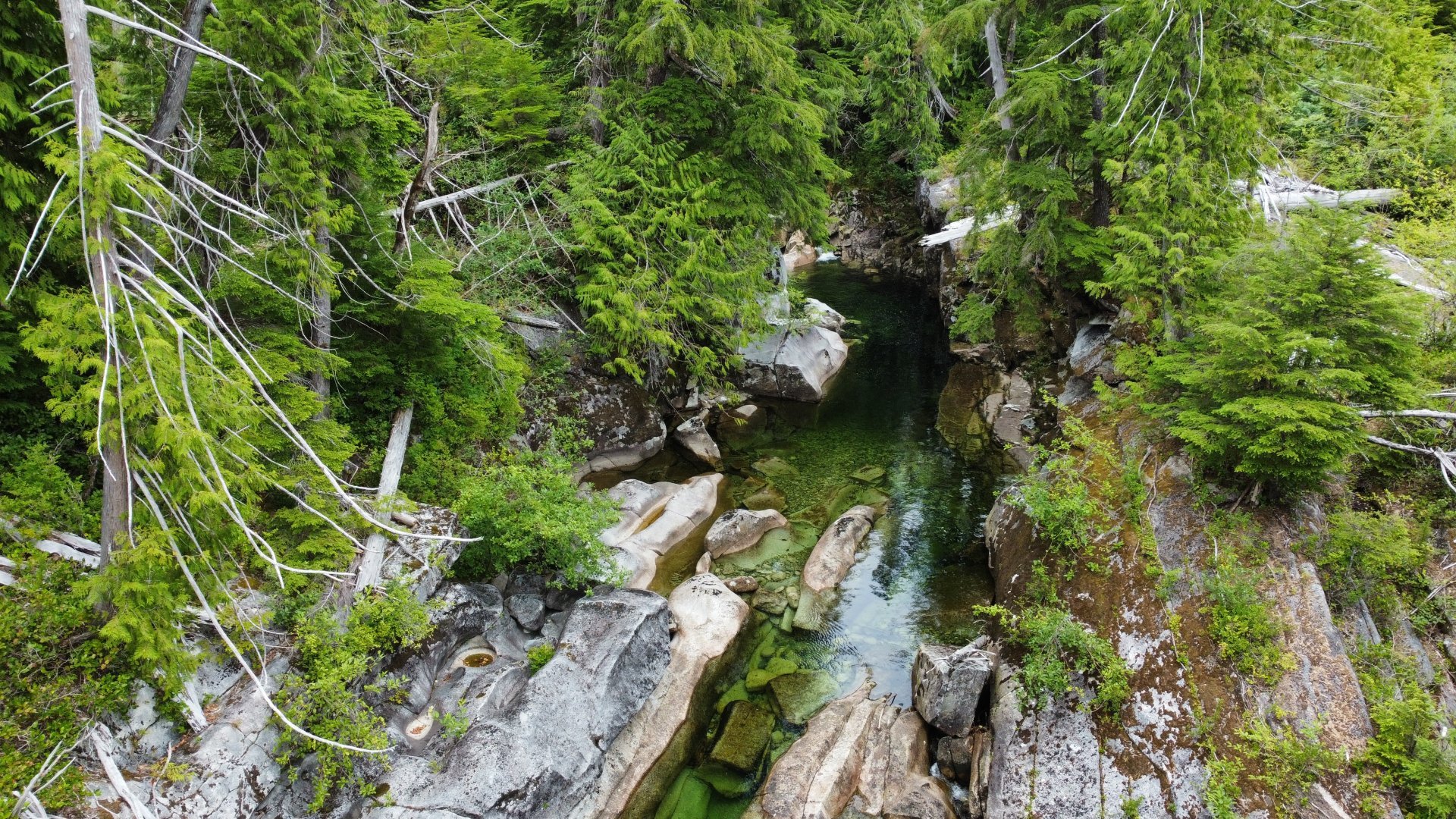
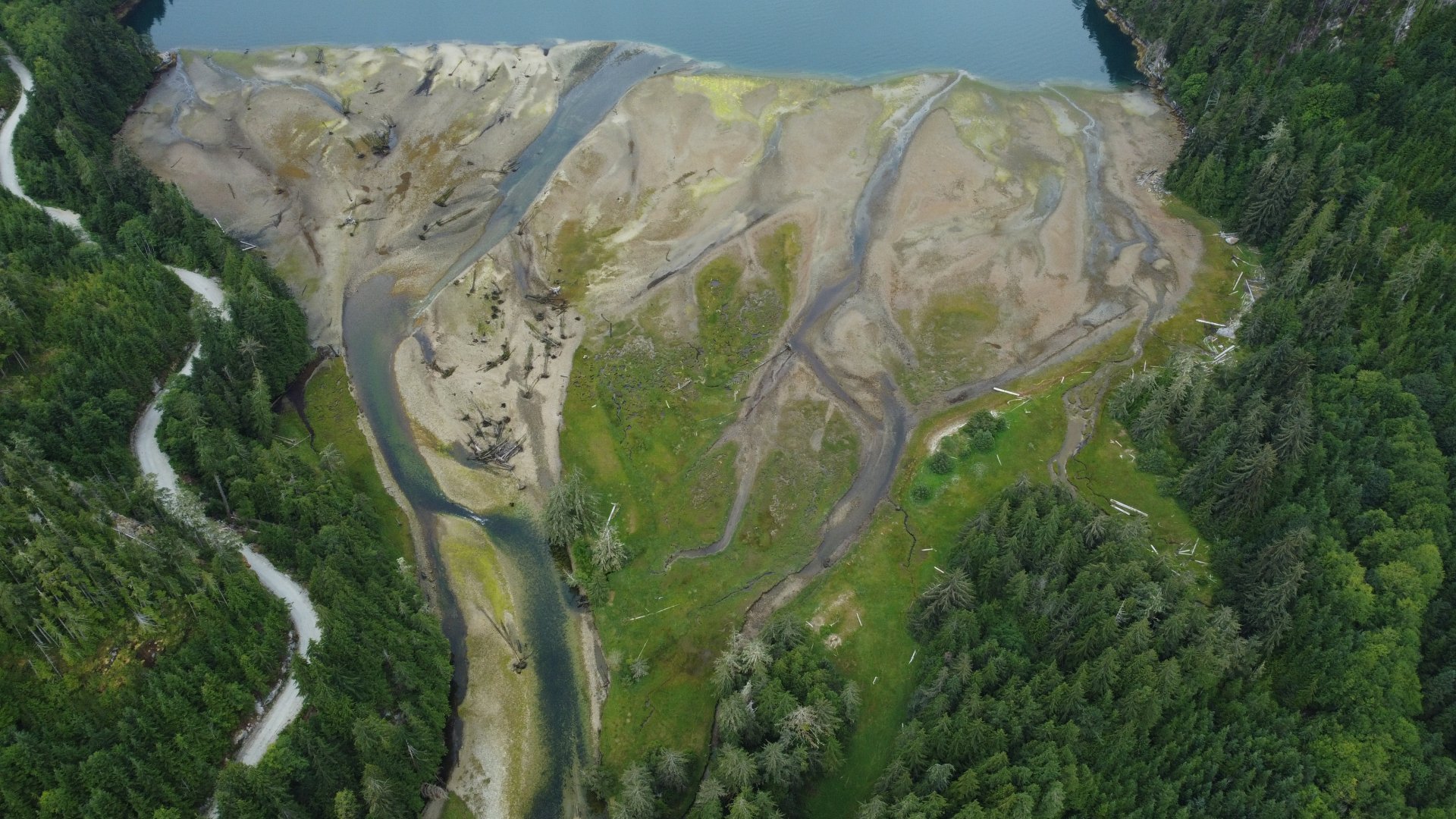
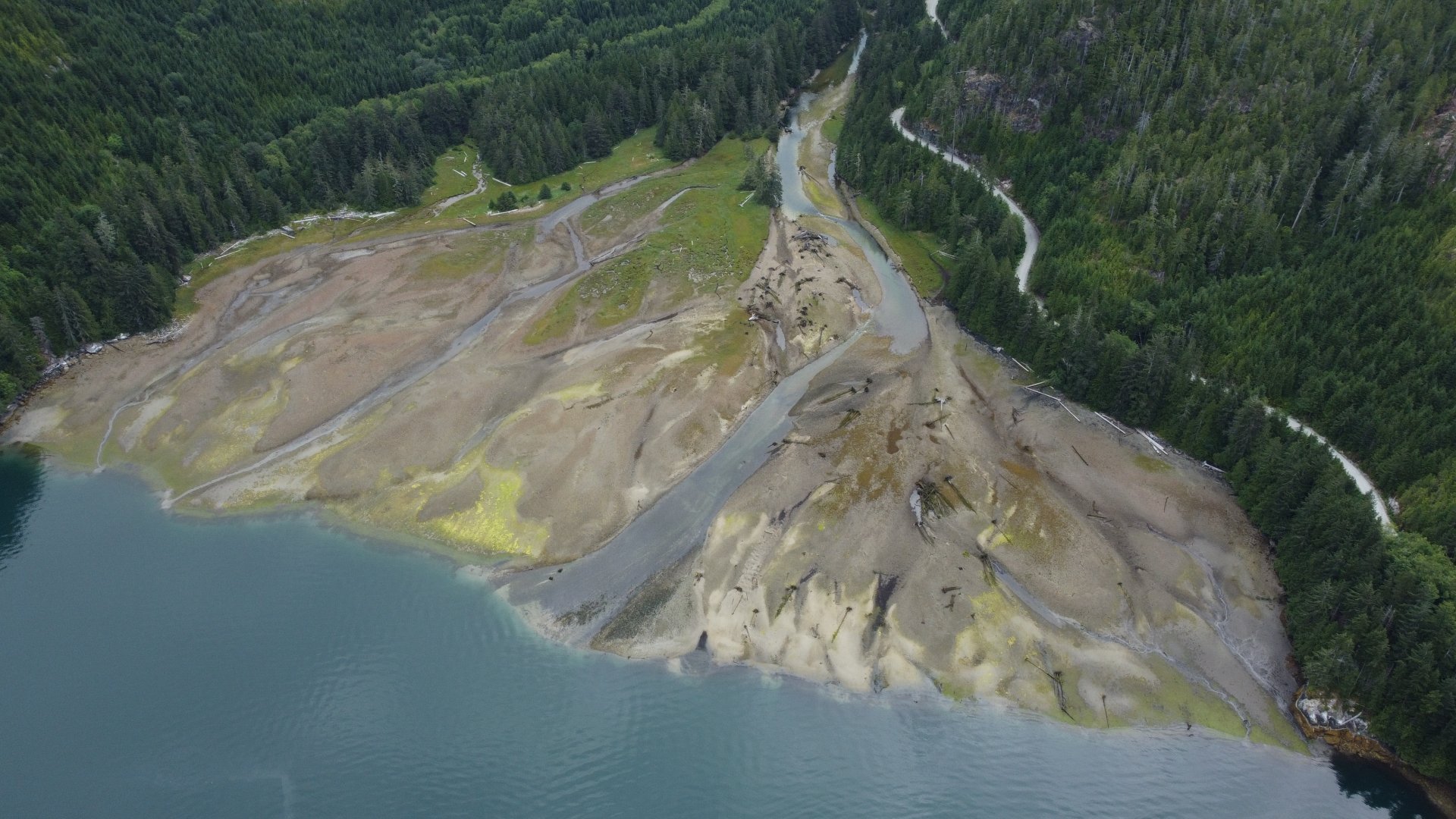
Conserving Hleep’te Creek Estuary will safeguard salmon habitat, protect old-growth forests, and strengthen climate resilience for future generations. The land is home to mature and old-growth forest – 47 acres of forest in this area are expected to be older than 250 years, and 23 acres are 141-250 years old.
The land contains designated critical habitat for the threatened marbled murrelet and two endangered bats (little brown myotis and northern myotis). Other threatened bird species in or near the land include barn swallow, western screech owl, northern pygmy owl, and northern goshawk.
We successfully raised the final $495,000 needed by December 31st, 2025, to implement plans to co-steward and manage this land with Mowachaht/Muchalaht First Nation and their Salmon Parks Stewardship Society.

We gratefully acknowledge that our Vancouver office is located on the traditional, ancestral, and unceded territories of the xʷməθkʷəy̓əm (Musqueam), Sḵwx̱wú7mesh (Squamish), and səlilwətaɬ (Tsleil-Waututh) Nations, who have been stewarding this land since time immemorial. Our work and conservation areas encompass many lands throughout the province, and we humbly acknowledge the First Nations communities who live on and steward these lands.

Stay connected to the landscapes you help protect. Receive updates from the field, stories of conservation in action, and opportunities to support and experience BC’s natural places.