Estuary
Resilience
Coastal British Columbia

The Estuary Resilience project is built on strong partnerships between First Nations, non-governmental organizations, provincial and federal governments, and academic groups.
In 2019, NTBC launched this multi-year project through the West Coast Conservation Land Management Program to improve estuary habitat and enhance the long-term sustainability and health of wild BC Pacific salmon fish stocks.
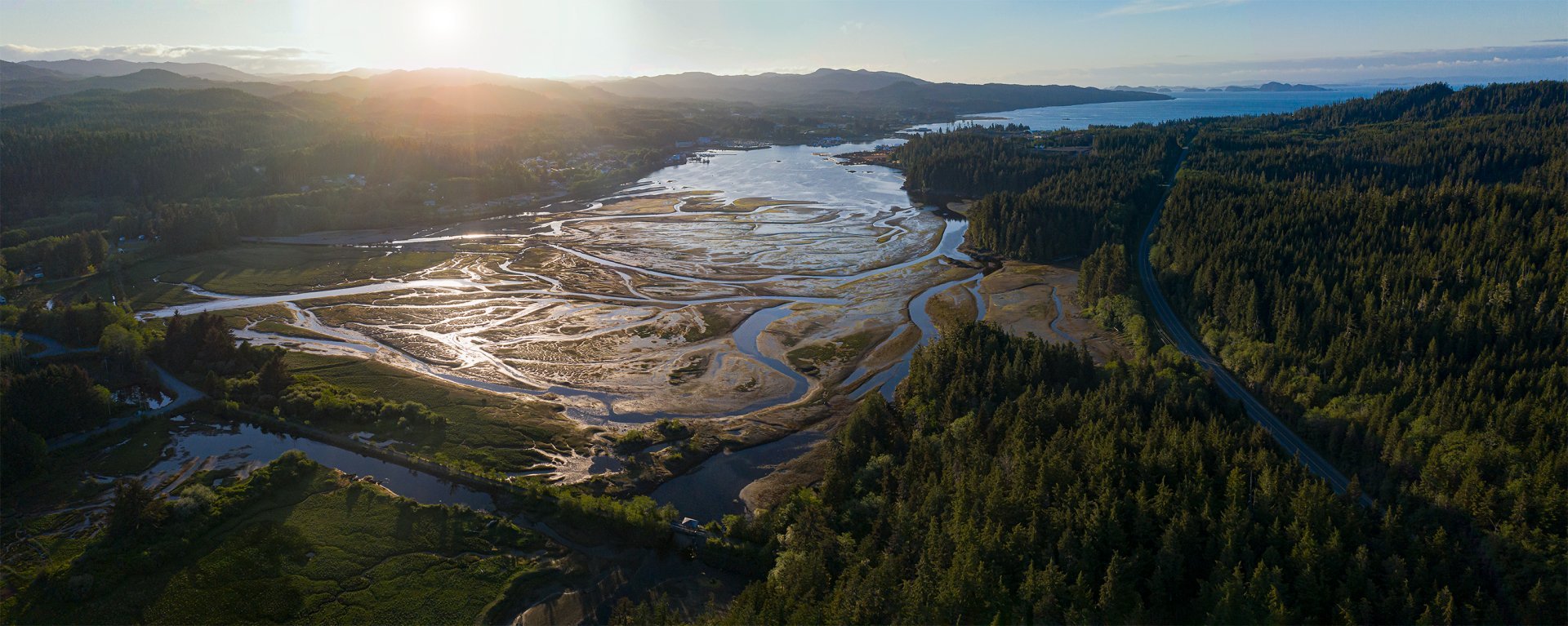
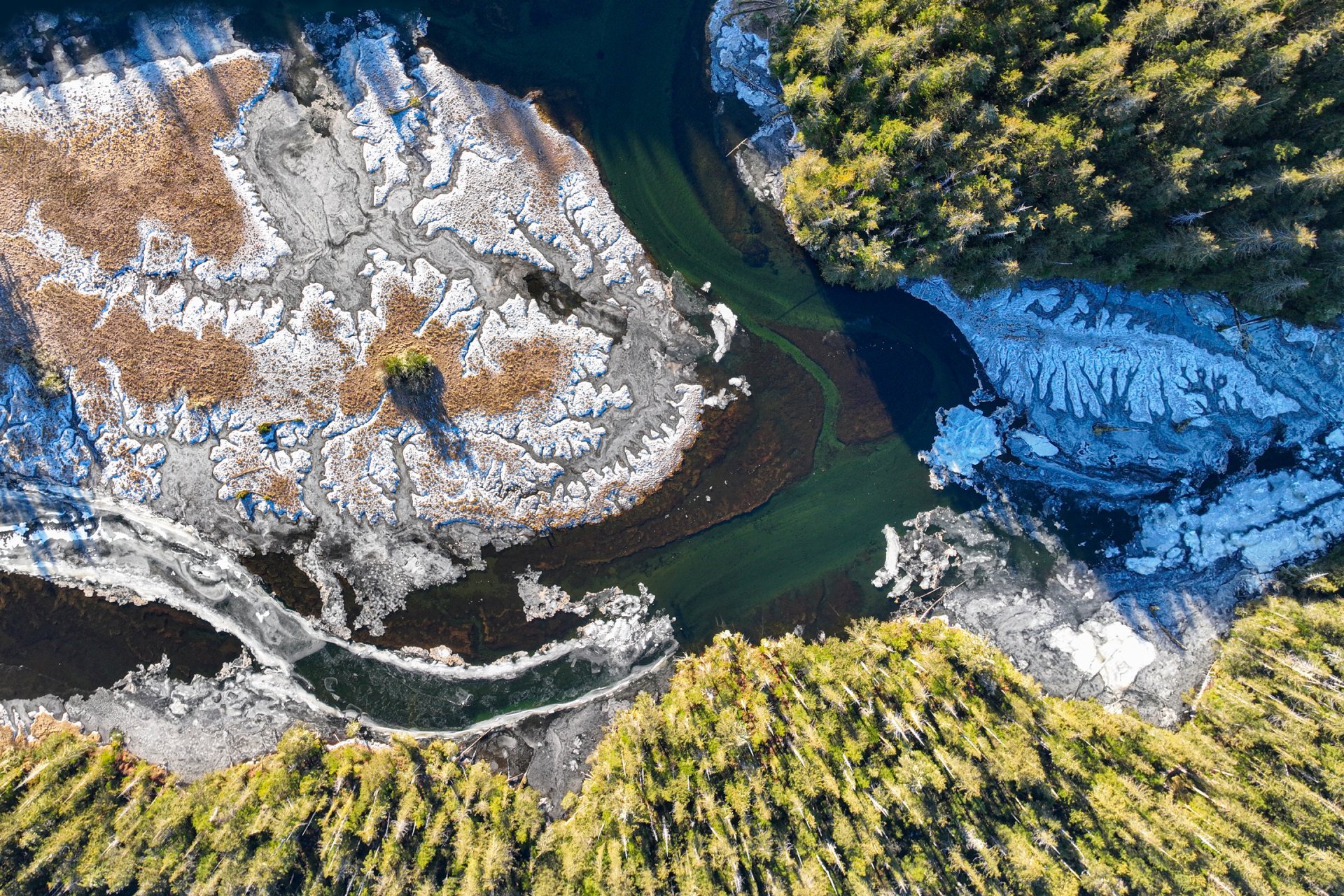
Estuaries have been called the heart of coastal ecosystems, connecting rivers, the ocean and upland environments. This mixing of habitats fosters an incredible biodiversity, with delicate but productive ecosystems for plants and animals from the land and the water. Estuaries are especially critical for the health of wild BC fish like Pacific salmon, as they act as nurseries for juvenile salmon, providing a place for them to rest and adjust to saltwater before they swim out to sea. Increasing the resilience of these coastal ecosystems is important to the long-term survival of these species.
Of the 20 estuaries sites included in the Estuary Resilience project, nine are on land protected by NTBC. The project will monitor and research resilience to sea-level rise and climate change using the Marsh Resiliency to Sea-Level rise (MARS) tool at 20 estuaries on Vancouver Island, the central coast and Haida Gwaii. With a combination of science and cultural knowledge and heritage, this project will facilitate several major, transformative restoration projects across the coast. These projects will increase marsh resilience to sea-level rise, restore estuarine ecosystem functions, and revitalize Indigenous food systems.
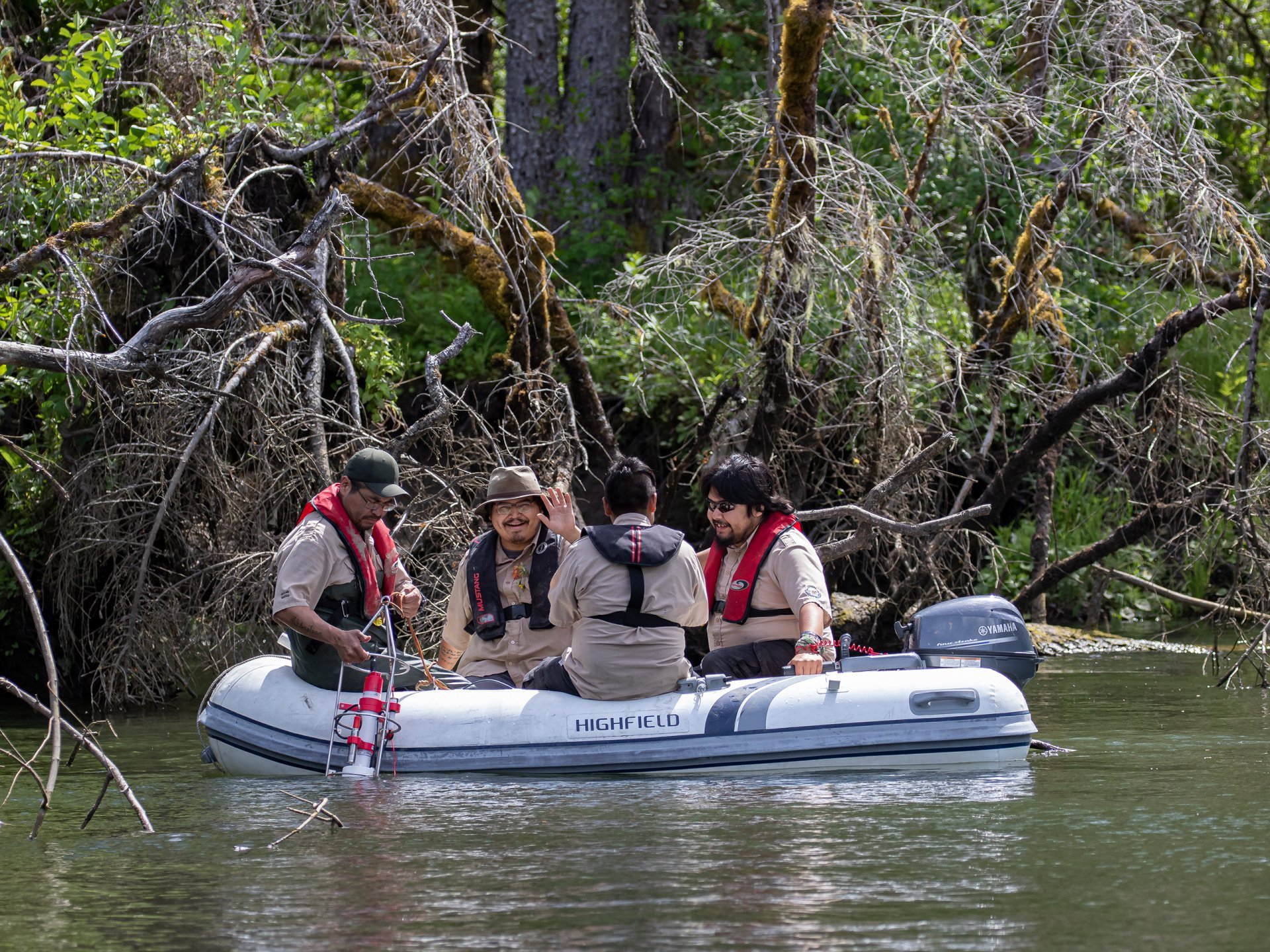
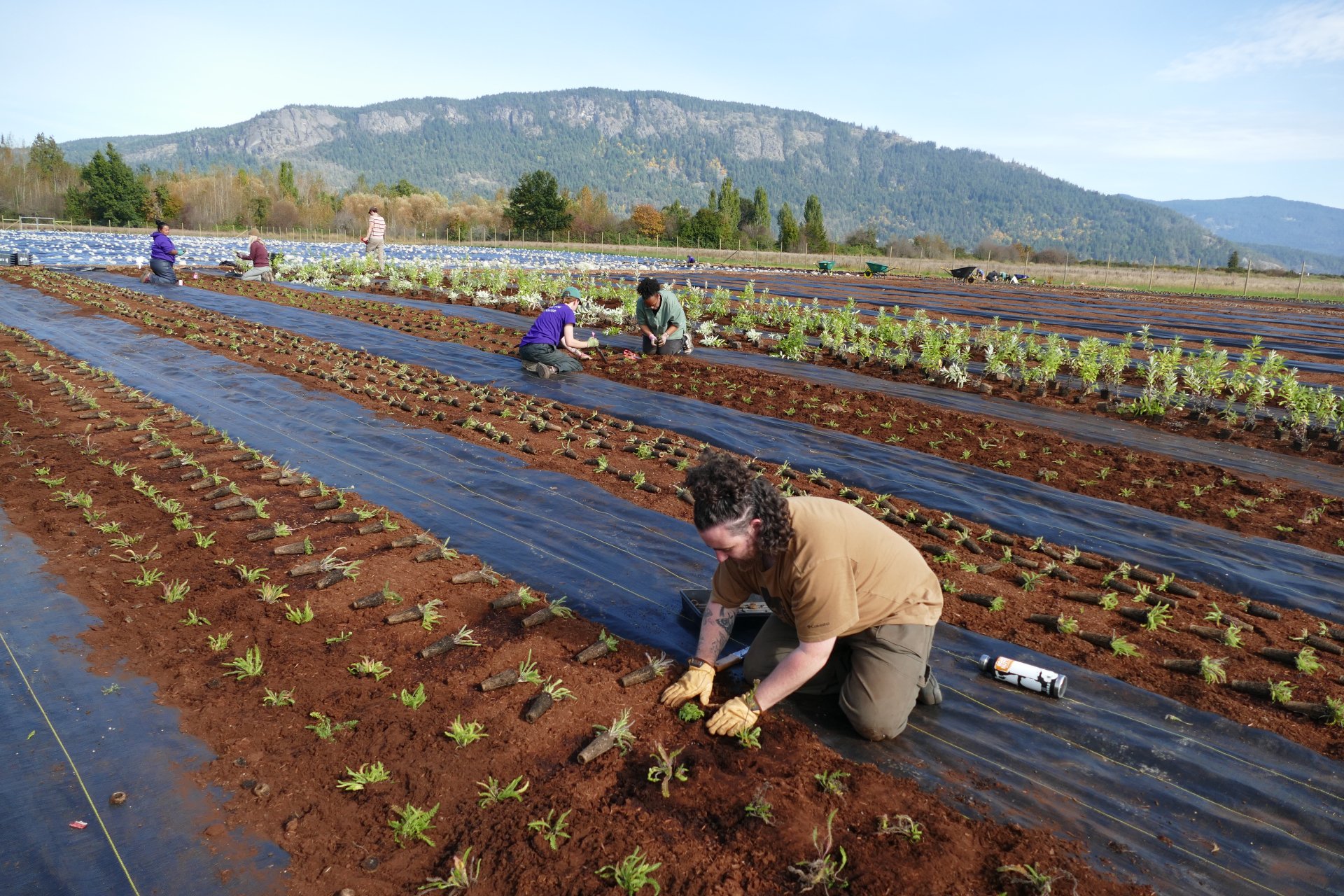
As a part of the Estuary Resilience project, The Nature Trust of British Columbia, Cowichan Tribes, Ducks Unlimited Canada, UBC Indigenous Ecology Lab, and several funding and community partners are leading a large-scale restoration and food systems revitalization project within the Quw’utsun/Xwulqw’selu (Cowichan/Koksilah) Estuary on Vancouver Island.
The Quw’utsun/Xwulqw’selu (Cowichan/Koksilah) Estuary Restoration and Food System Revitalization Project is one of the largest restoration/revitalization projects ever to be completed on the coast of British Columbia. The project will restore 70 hectares of salt marsh habitat and re-establish natural estuarine processes by removing human-made barriers to marsh development and reconnecting freshwater channels to tidally influenced areas.
The ocean, climate change, and the resilience of coastal communities are closely intertwined. The United Nations Decade of Ocean Science for Sustainable Development recently endorsed the Enhancing Estuary Resilience project as an action that will help unlock ocean-based climate solutions and support coastal communities, under Ocean Decade Challenge Six, Increase community resilience to ocean hazards.
We gratefully acknowledge that our Vancouver office is located on the traditional, ancestral, and unceded territories of the xʷməθkʷəy̓əm (Musqueam), Sḵwx̱wú7mesh (Squamish), and səlilwətaɬ (Tsleil-Waututh) Nations, who have been stewarding this land since time immemorial. Our work and conservation areas encompass many lands throughout the province, and we humbly acknowledge the First Nations communities who live on and steward these lands.

Stay connected to the landscapes you help protect. Receive updates from the field, stories of conservation in action, and opportunities to support and experience BC’s natural places.