Manson Bay
Forest
Cortes Island, West Coast

Home to many rare species and sensitive ecological communities.
Supports a high diversity of plant and animal species.
Protects land in one of British Columbia’s most at-risk biogeoclimatic zones, helping conserve ecosystems under pressure.
Together, we raised the final $408,000 to protect 35.6 acres of sensitive forested wildlife habitat on Cortes Island, a jewel in the Discovery Islands.
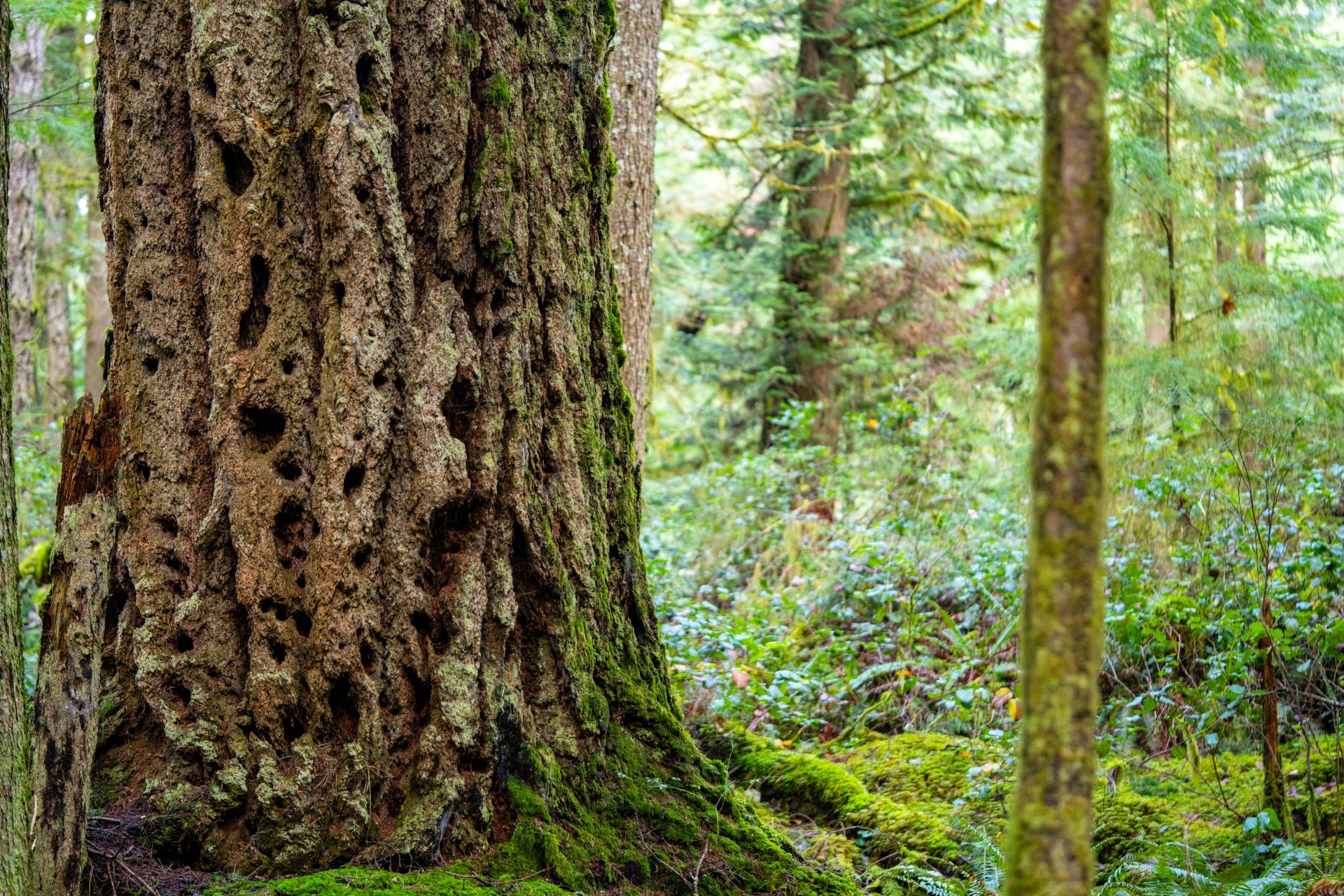
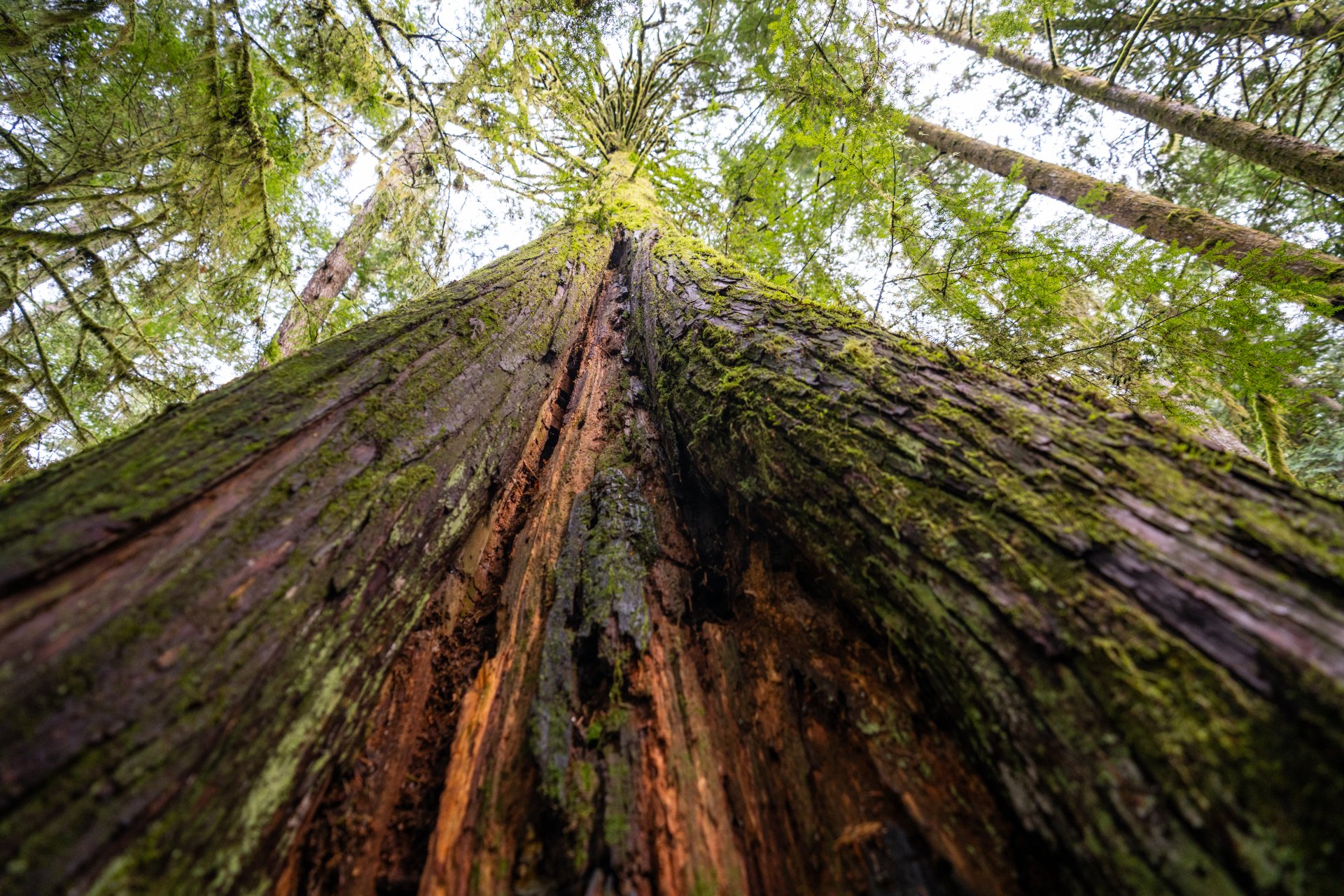
The conservation area contains mature Douglas-fir, Western Hemlock, and Western Redcedar forest with scattered veteran trees that are at least 200 years old.
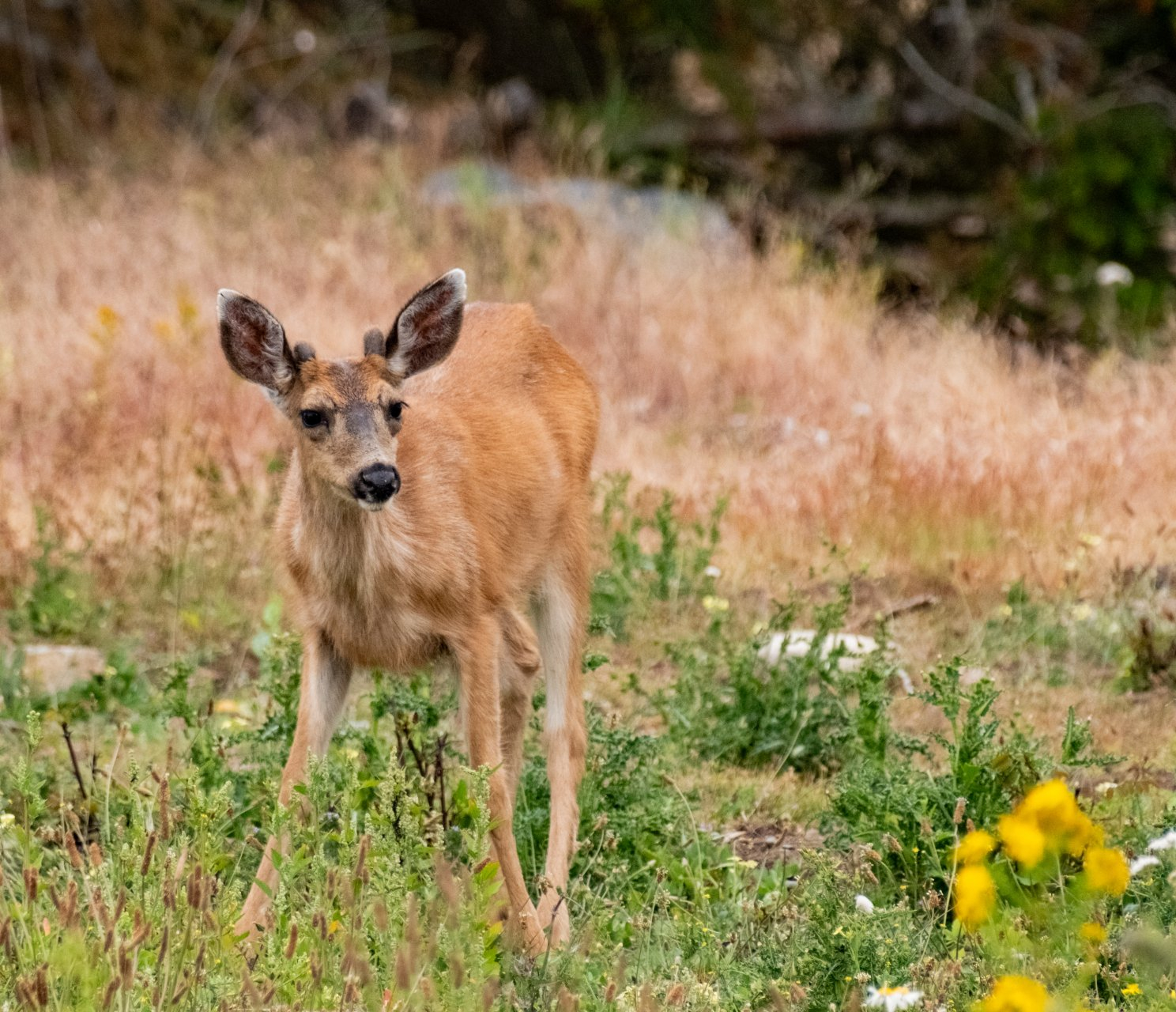
The island is home to many wildlife species, including wolves, cougars, deer, mink and over a dozen at-risk bird species.
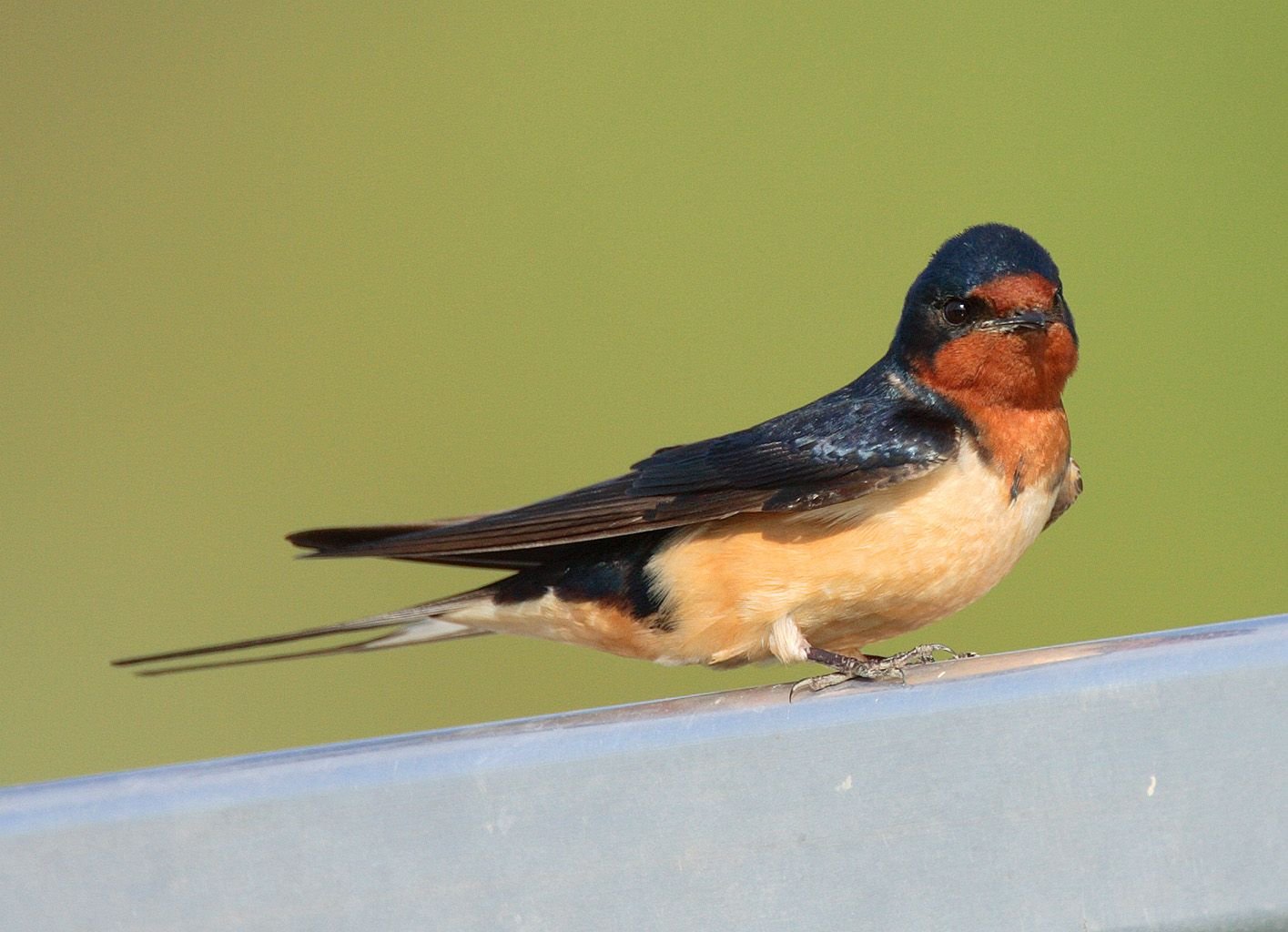
Cortes Island – Manson Bay Forest provides key habitat for many at-risk species, such as the SARA Threatened barn swallow as well as the band-tailed pigeon, common nighthawk, evening grosbeak, purple martin, olive-sided flycatcher, and Northern red-legged frog, all of which are of SARA Special Concern.
Cortes Island is located within the unceded and traditional territories of the We Wai Kai, Kwiakah, Homalco, and Klahoose First Nations. Manson Bay Forest is surrounded by natural forested ecosystems and by raising the funds to protect this land, NTBC is conserving the connectivity and resiliency of these ecosystems for the incredible biodiversity found on Cortes Island.
The area is part of the Coastal Western Hemlock biogeoclimatic zone, characterized by its temperate climate and abundant rainfall, which creates an ideal environment for mature Douglas-fir and Western Redcedar. The varied terrain, with dry rocky knolls and mature coniferous forests provides habitat for many birds, mammals, and amphibians.
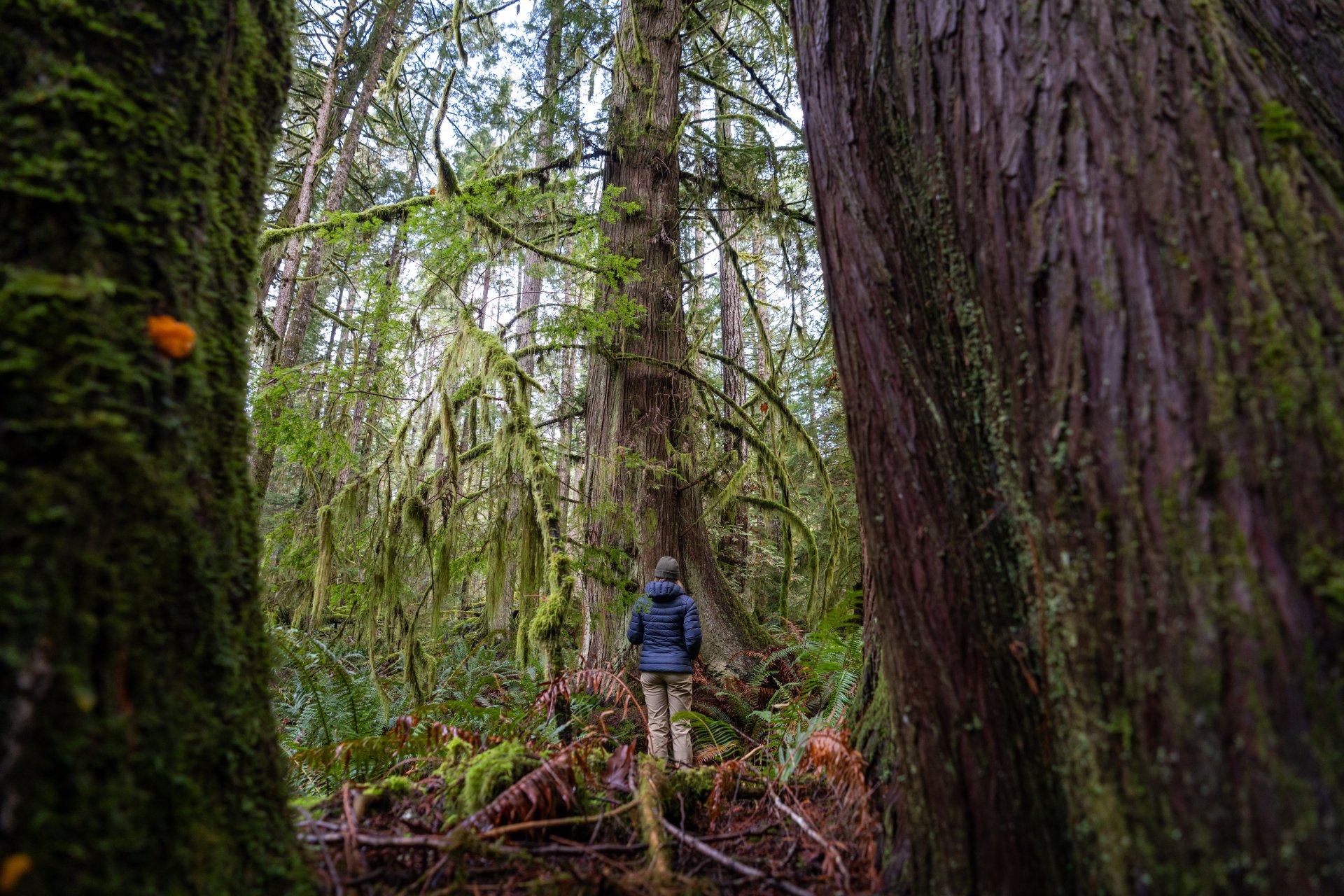
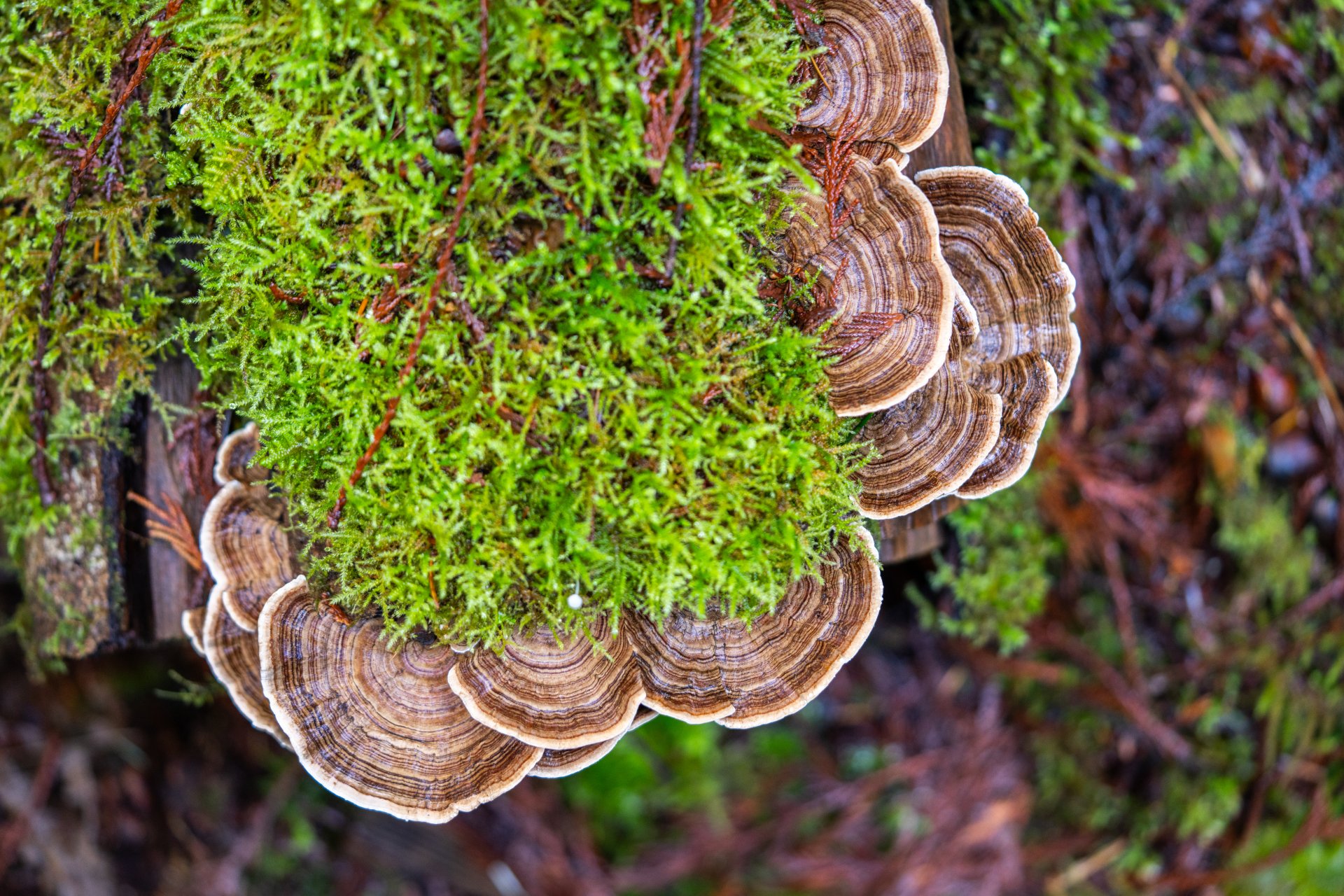
Manson Bay Forest is surrounded by natural forested ecosystems and by raising the funds to protect this land, the charity is preserving the connectivity and resiliency of these ecosystems for the incredible biodiversity found on Cortes Island.
Cortes Island – Manson Bay Forest has merchantable timber value and now that it is protected, the old and mature forests will be protected in perpetuity.
Through the support of donors and nature-lovers across the province, NTBC can safeguard important habitat and powerful carbon sinks, directly addressing the twin crises of climate change and biodiversity loss.

We gratefully acknowledge that our Vancouver office is located on the traditional, ancestral, and unceded territories of the xʷməθkʷəy̓əm (Musqueam), Sḵwx̱wú7mesh (Squamish), and səlilwətaɬ (Tsleil-Waututh) Nations, who have been stewarding this land since time immemorial. Our work and conservation areas encompass many lands throughout the province, and we humbly acknowledge the First Nations communities who live on and steward these lands.

Stay connected to the landscapes you help protect. Receive updates from the field, stories of conservation in action, and opportunities to support and experience BC’s natural places.