Conversations on Conservation with Dr. Jasper Lament
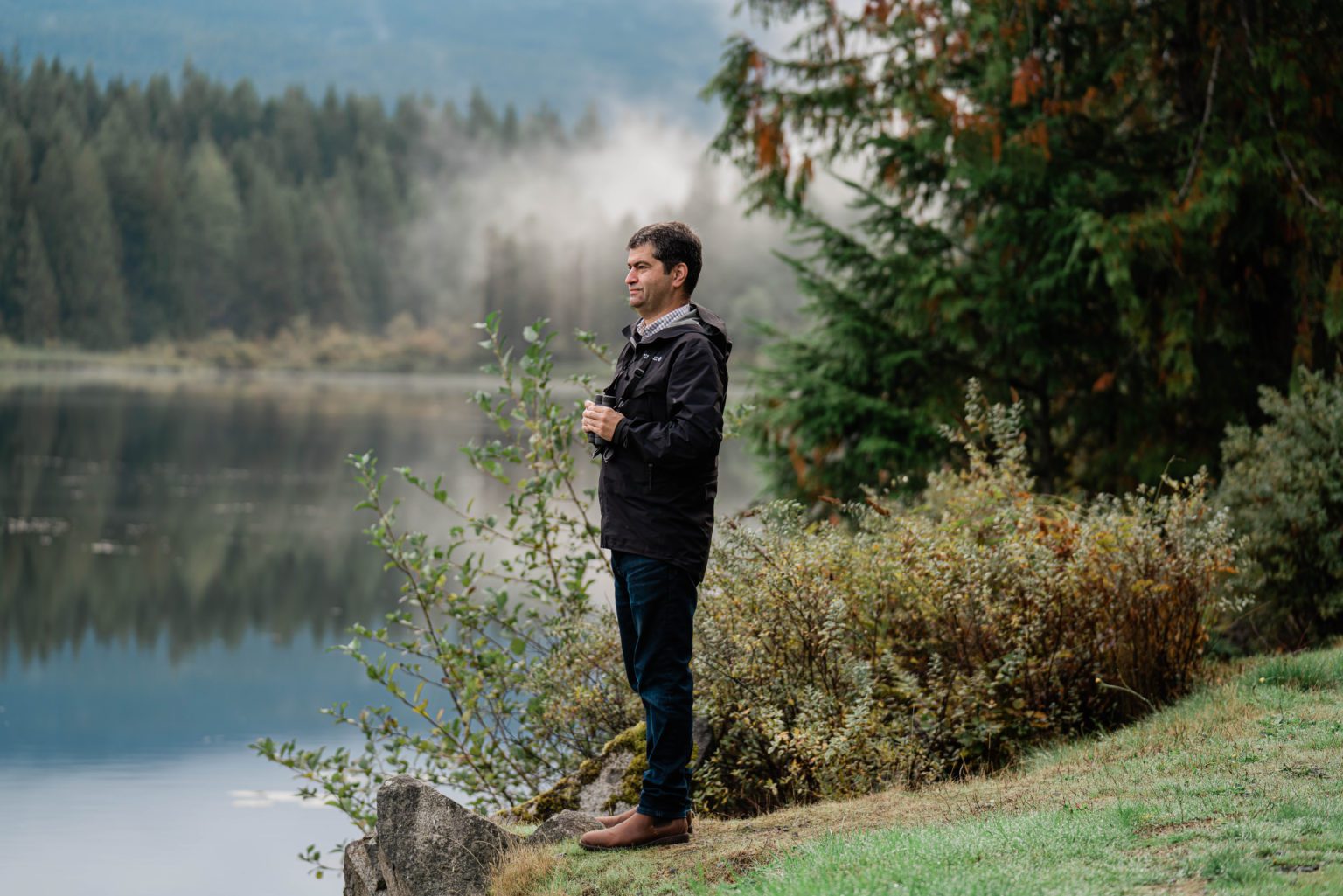


The idea of creating a permanent conservation legacy by protecting land in perpetuity for wildlife has always had a magical appeal to me. As I was finishing my PhD, I realized that what I wanted to work in conservation not research. My entry into the conservation world was restoring wetland and grassland habitats in the US, then working internationally in Canada, the US and Mexico where I was exposed to organizations that were doing land protection.
I took a detour into the corporate environment world, working at BC Hydro in environment and sustainability and environmental risk management, before being approached for the CEO position at NTBC. I thought here’s my chance to get back to land conservation. And the opportunity to lead an organization that had so much potential to make so much conservation impact in my home in BC was irresistible. So I left the corporate world for this role at NTBC and never looked back.
The core of NTBC’s work is acquiring private land of ecological significance. Land acquisition can be a purchase at fair market value, it can be a donation from a conservation-minded family or company or it can be a blend of purchase and donation but the focus is on protecting ecologically important private land. And in BC, private land in the river valleys and coastlines is where biodiversity is concentrated and also where people want to live.
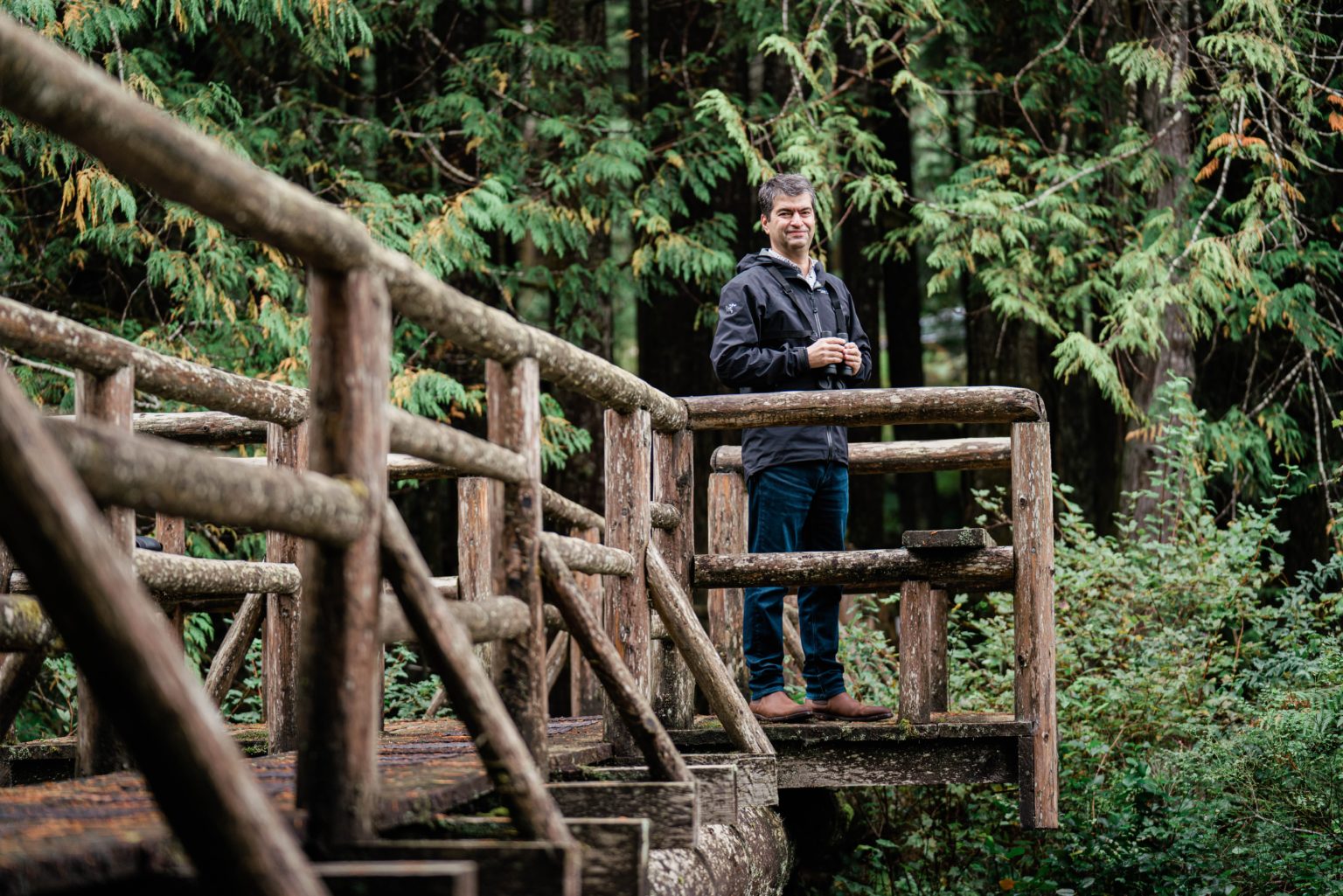
A colleague gave me a rock that says “carpe diem” – “seize the day”. And this is the day for conserving land, for fighting climate change, and for stopping biodiversity loss. These are the twin crises of our time.
By mitigating climate change and biodiversity loss through nature-based solutions we have the ability to do both at the same time. One very powerful nature-based solution is to protect carbon-rich ecosystems like wetlands, grasslands and forests and care for them forever so they can sequester carbon and provide habitat for the species that call BC home.
We’re focused on building landscapes that will be more resilient as the climate changes and hopefully keep these species here in BC for the future. From a science perspective we know that wetlands, grasslands and forests sequester carbon and that that’s part of the solution to climate change.
The federal government has announced new funding for nature-based solutions as a key tool in the fight against climate change. BC had a rough ride over the last year or two with heat domes, flooding and intense wildfires. It made the potential future impacts of climate change more visceral for everyone.
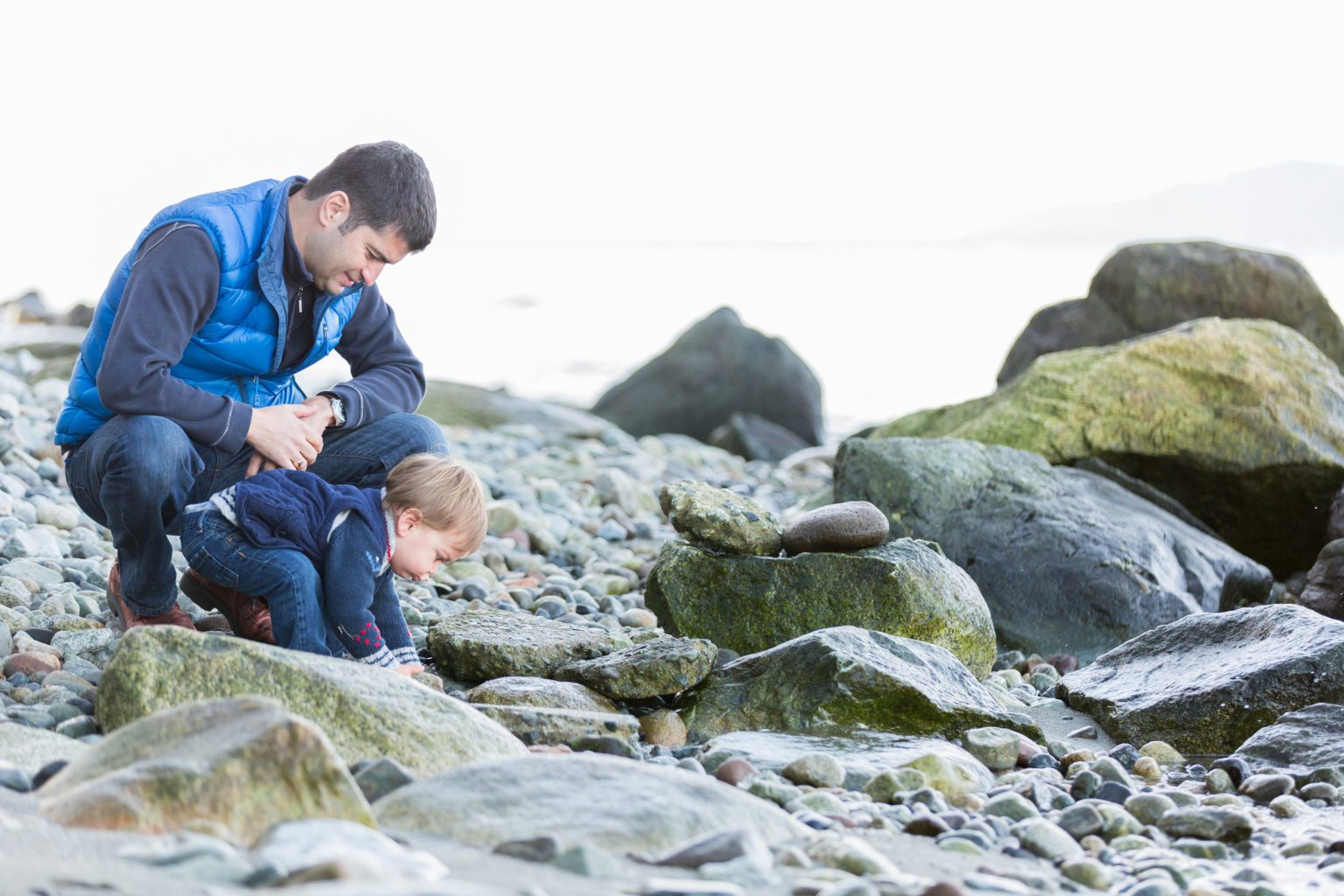
Rising real estate prices are the single biggest challenge facing private land conservation in BC.
There’s a limited supply of private land in BC. Places like the Lower Mainland are geographically constrained and there’s a lot of competition between people and wildlife for the space that is there. The demand for land is high and that’s reflected in the extremely high land prices. In the 50+ year history of NTBC it’s gotten progressively harder to be able to purchase land for conservation.
The fight against climate change can seem overwhelming. I think people are searching for a way to make a difference.
Land conservation offers people a way to make a difference with $50 or $5 million dollars. They can invest their dollars in protecting one piece of land that will help provide nature-based solutions. We’ve been doing this for 50 years and we are hopeful that more people will get excited about joining us in this work, to use our expertise to help them achieve their own personal goals to help fight climate change.
One of the appealing things about NTBC is that we only work in BC. We’re providing nature-based solutions close to home and people can see the impact of their donations right here in this province in places like the Okanagan, Vancouver Island and the Central Coast – places where there are still opportunities to build large, resilient complexes of land conservation that will provide habitat and climate change benefits.
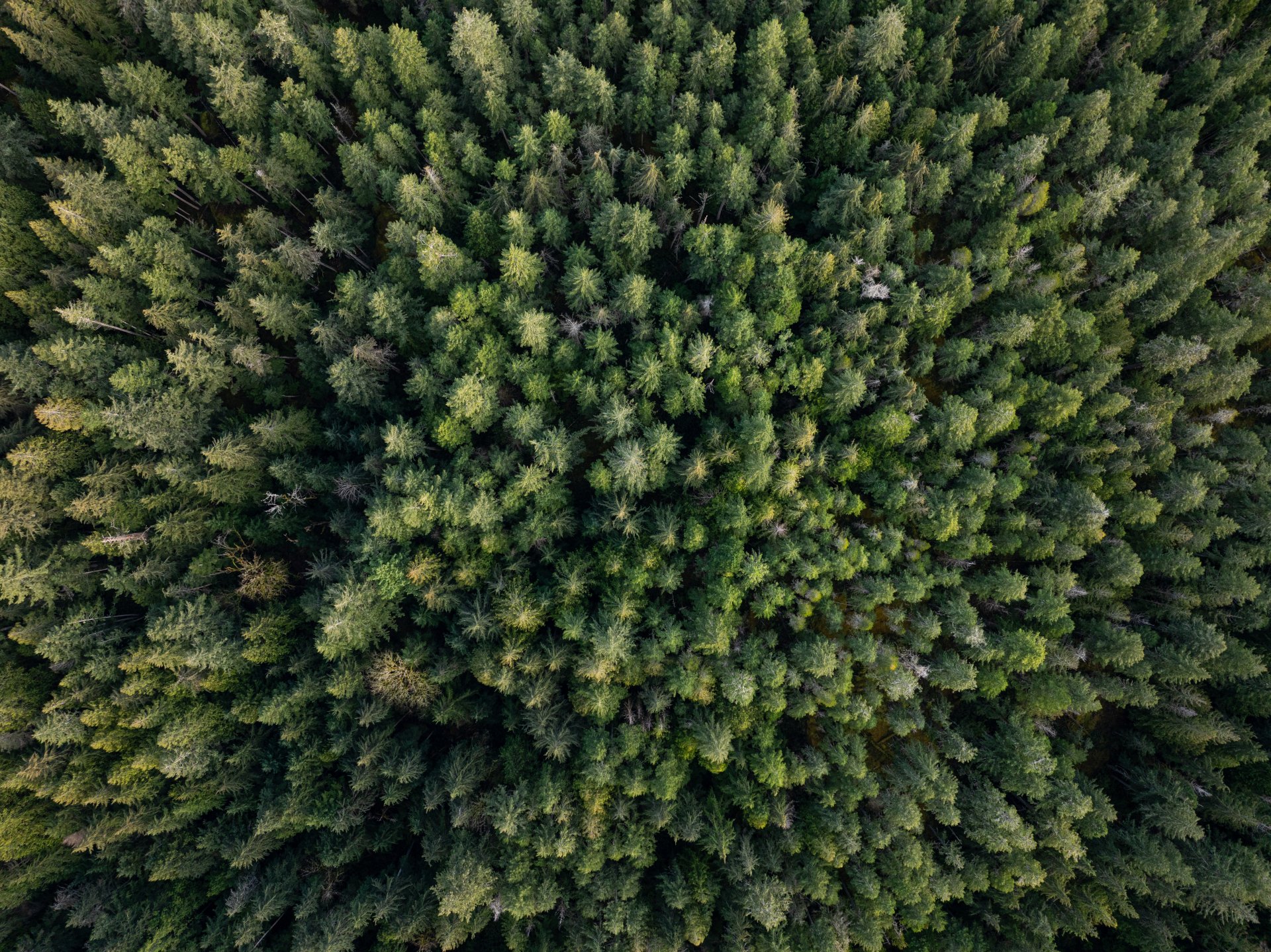
There’s huge urgency to protect vulnerable habitat. In BC the human population is growing quickly. Habitat is being converted every day to human uses. And BC is home to some of the highest biodiversity in Canada. We have a lot of species that are already at risk.
We need to be able to accelerate our land acquisition faster than real estate prices rise. In the early 2000s we realized we had to tackle larger land acquisitions where you get more habitat for the dollar by achieving scale.
Whatever land we conserve we’re preventing from being lost. But BC added over 100,000 people last year. Everyone has to live somewhere. So there’s going to continue to be habitat loss. It’s hard to reconcile.
We use strong science-based tools to assess the ecological value of properties and potential acquisitions and we allocate our limited conservation dollars where they have the most conservation impact. A key part of the future will be restoring habitat on land we own and on acquiring new properties that require restoration.
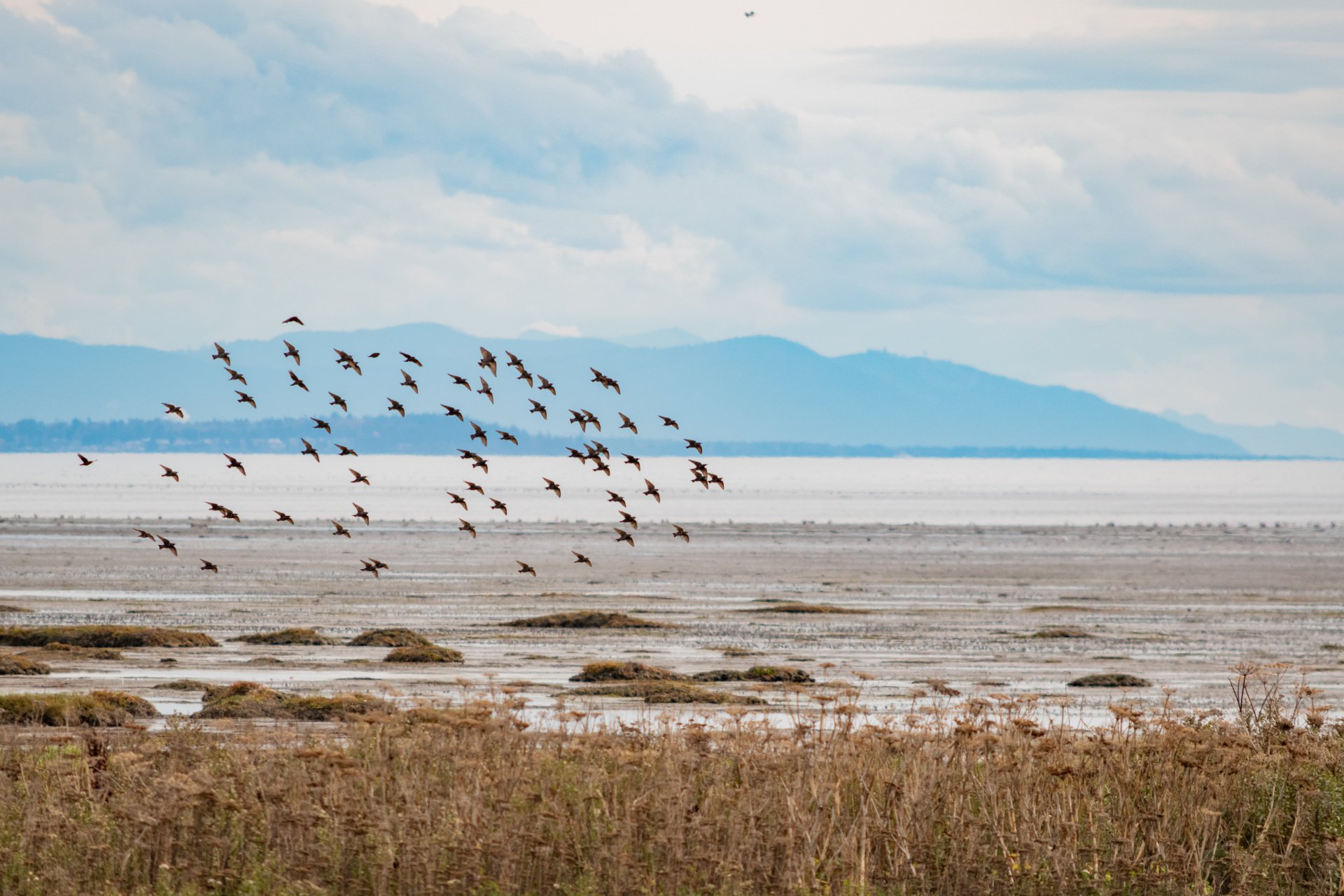
NTBC has been building partnerships for land conservation for over 50 years.
This is a moment in time where longstanding partnerships with all levels of government, our staff’s expertise and our board leadership are all well positioned to seize the opportunity of increasing government investment in conservation and increasing private philanthropic interest in land conservation.
The federal government and Canada’s Nature Fund has created opportunities to leverage donations from our supporters through matching funds. At the same time we’ve developed a new partnership with the US government to work together to protect habitat for migratory birds.
NTBC has protected over 180,000 acres and 500 conservation areas over the last 50 years. There are still large intact habitats in BC that are available for conservation but there might not be any in another 50 years.
We think in terms of five year strategic planning cycles and we’re at the peak of our five year cycle now as we build the capacity to do larger and more complex land acquisitions. It takes more expertise and the ability to work with different levels of government.
Last year our Prime Minister established a 10 year horizon for nature-based solutions to climate change. It’s a once in a career opportunity with this federal partnership and we will match every dollar to deliver nature-based solutions.
Right now we’re trying to fund three new acquisitions in the Okanagan with one to one matching dollars. The government has stepped up in a big way so we need to show them we can deliver, that’s why the support of our donors is so important.
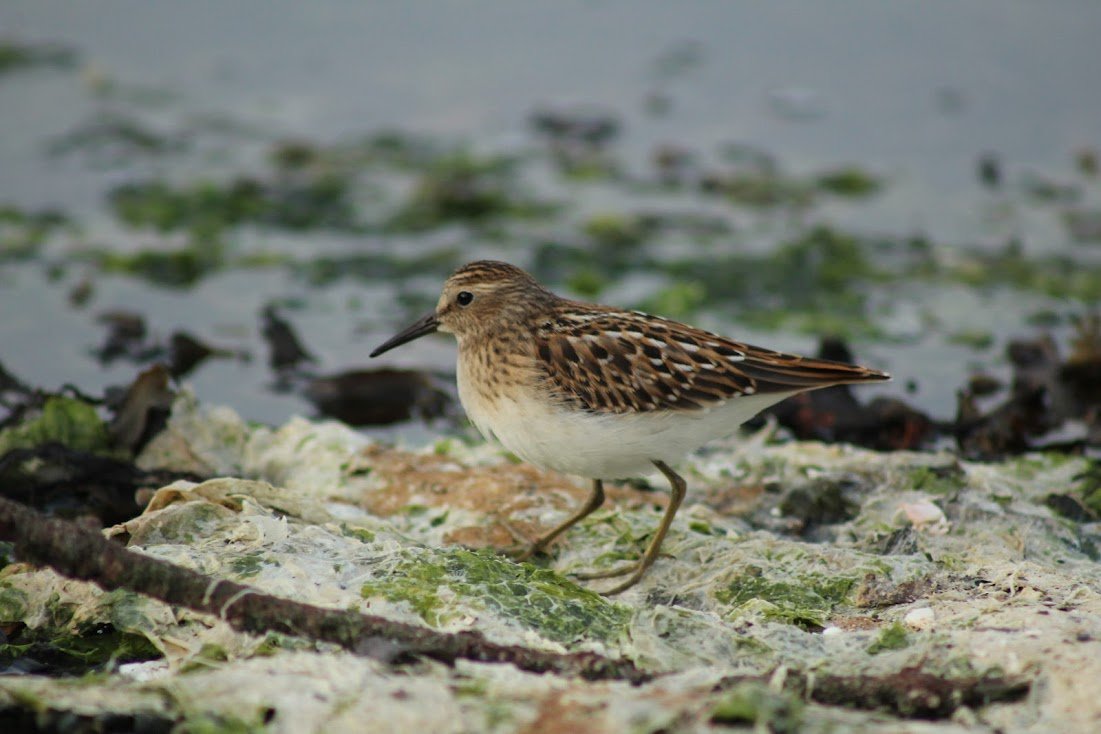
North America has lost three billion birds in the last five decades.
A high percentage of BC species rely on wetlands or estuaries to complete a portion of their lifecycle including migratory birds and fish species such as salmon.
Wetlands are an example of a habitat type that is disproportionately important to wildlife and many of the wetlands are on private land and impacted by human activities. There’s a real need to protect the wetlands we have left because they are incredibly important for wildlife habitat, Wetlands and estuaries are used by more species than other habitat types.
Progress has been made conserving wetlands habitat for water fowl, water birds and shore birds and those birds have done comparatively well. But birds that depend on grasslands like barn swallows are in big trouble.
We’ve lost billions of grassland and forest birds. We have a lot of work to do to conserve enough habitat to sustain those bird species. Natural landscapes are losing their ability to support bird populations like they did in our life time. Only about one per cent of BC is grasslands and we’ve already lost a lot of it.
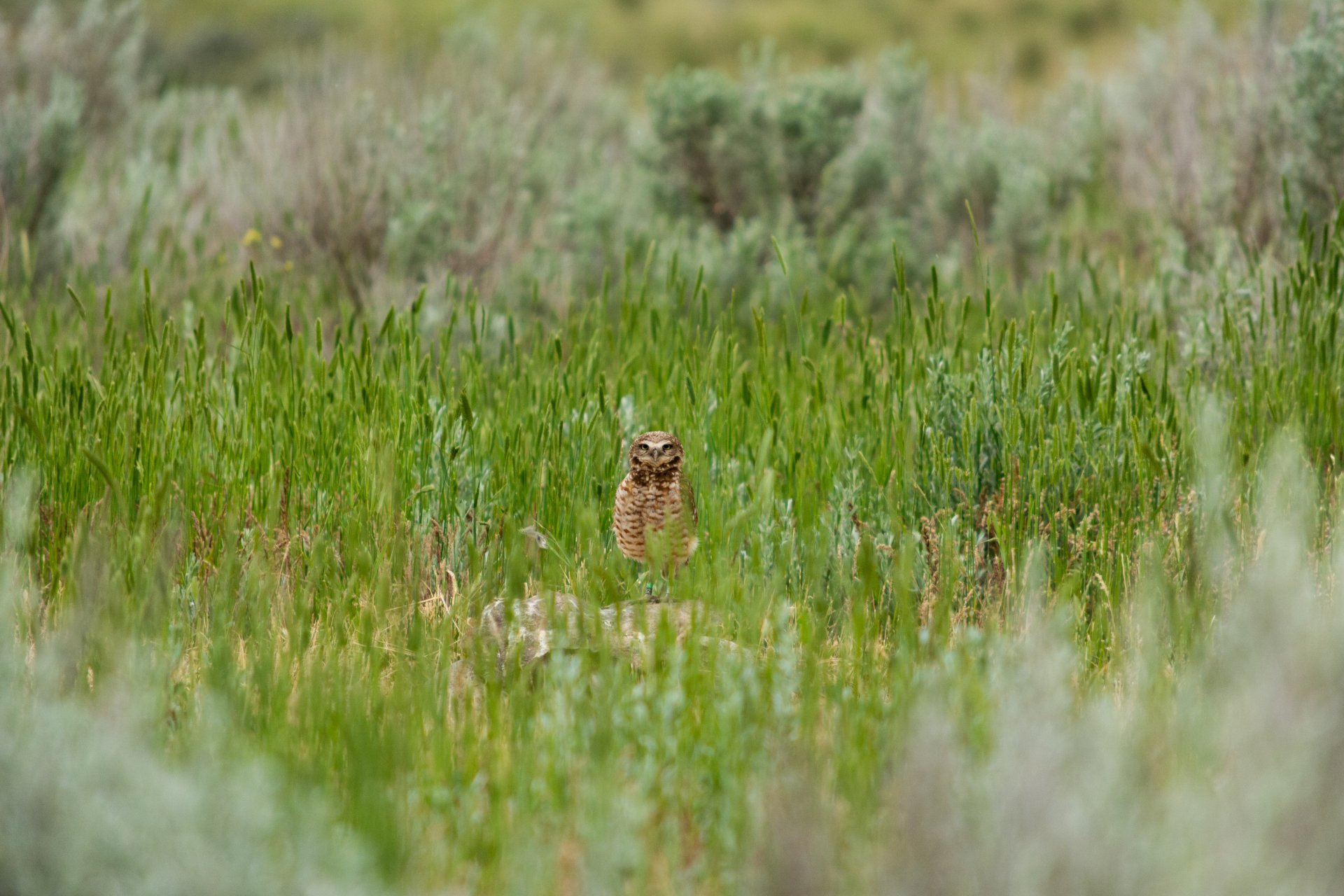
In 2018, NTBC built a new five year strategic plan the focus of which was to accelerate land protection. It took a couple of years to ramp up our capacity but in 2021 we were able to deliver on some very large, very important land acquisitions totaling over $13 million in value. That represents as much land conservation as we might have done in three or four years in the past. It was a massive year.
Some of those projects are being completed in 2022 with several more in the pipeline. We’re on track to have two of the biggest land acquisition years in our history back to back.
I’m proud of the team that we’ve built and the results that we’ve delivered for conservation. Coming out of the 2008 recession it was a difficult time in the non-profit sector but we invested in building better tools and in great people and we have been able to build a stronger organization.
Our five-year strategic plan objective was to double the acquisitions we had done over the past 15 years. It was a stretch goal and in the first couple of years we didn’t get there, but in 2021 we increased our land acquisitions by over 300 per cent.
Looking forward, I remain eternally hopeful. I was born and raised in BC surrounded by nature and appreciate how incredibly lucky we are to be here. Unfortunately we haven’t taken care of nature as much as we could have. But I see society starting to take nature more seriously and I’m hopeful that in the next 50 years we’ll do a better job of protecting what we have more than we have over the past 50 years.
There’s a great opportunity for organizations like NTBC to help show the way and help make a difference.
As Theodore Roosevelt said, “Do what you can, with what you’ve got, where you are.” NTBC has done that for 50 years. Often when we didn’t have enough to do everything we wanted to do. Going forward I’m going to do everything I can to make sure we are able to deliver on what we collectively must do for land conservation in BC.
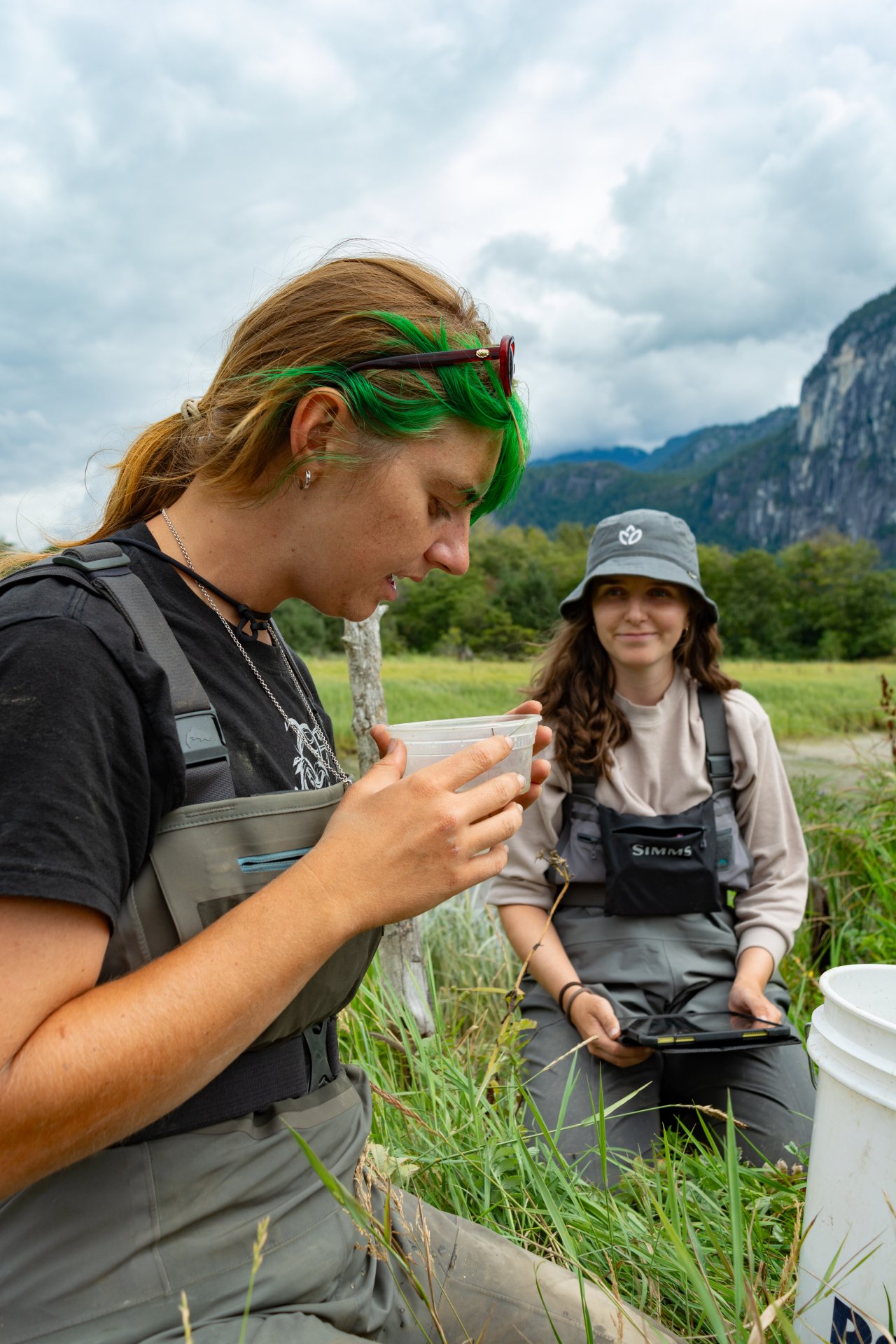
Follow NTBC across social media to hear the latest about our work.
We gratefully acknowledge that our Vancouver office is located on the traditional, ancestral, and unceded territories of the xʷməθkʷəy̓əm (Musqueam), Sḵwx̱wú7mesh (Squamish), and səlilwətaɬ (Tsleil-Waututh) Nations, who have been stewarding this land since time immemorial. Our work and conservation areas encompass many lands throughout the province, and we humbly acknowledge the First Nations communities who live on and steward these lands.

 Alysse GafkjenMusic is for the Birds and the Bears

Stay connected to the landscapes you help protect. Receive updates from the field, stories of conservation in action, and opportunities to support and experience BC’s natural places.