

For all of us, forever.

Protecting BC’s biodiversity

NTBC is a nature trust that protects at-risk habitats for the 50,000+ plants and animals that call British Columbia home. Through land conservation, restoration, and partnerships with communities, we safeguard ecosystems for future generations.

To date, we have protected:

185163 acres

Protect
Steward
Restore

We secure and protect critical habitats across British Columbia, ensuring wildlife and ecosystems have the space they need to thrive.

We collaborate with Indigenous nations, communities, donors, and conservation partners to protect land for future generations.

Through restoration projects, we help wetlands, forests, and grasslands recover, strengthening ecosystems and supporting biodiversity.

Save this place
Save this place

Explore our conservation areas

To learn about one of our over 590 conservation areas, explore our easy to use interactive map. You’ll discover when critical habitat was purchased or donated, the size of each conservation area, wildlife and plants protected, and our land management partners.

Stay up-to-date with us

🧟‍♂️🐟These “zombie salmon” aren’t part of a horror movie, and they aren’t as scary as they sound. These fish are a natural phenomenon that play a vital role in the health of BC’s forest ecosystems 

After spawning, Pacific salmon like Chinook and sockeye become swimming zombies, their bodies breaking down as they complete their life cycle. But here’s the real horror: when salmon runs disappear, so do entire forests. 

Salmon carcasses are nutrient powerhouses. Bears, eagles, and wolves scatter their remains into the forest, where mycorrhizal fungi pull up nitrogen, phosphorus, and carbon from the rotting flesh. The mycorrhizal fungi act as nutrient pipelines, transferring salmon-derived nitrogen directly to tree roots and allowing trees like cedar and hemlock to absorb up to 75% of their nitrogen from salmon! 

For NTBC, habitat restoration projects and securing protected estuaries and waterways are aiding in the race to revive salmon runs before the forests they feed collapse. 

No salmon = no fungi = no trees. And no trees mean no clean water, no carbon storage, and no future for wildlife. That’s the real horror story this Halloween 🎃🐟

Learn more about how we are improving salmon habitat in BC’s estuaries with the link in bio 🌱

#ntbc #foryou #salmon #explore #bc
🍄‍🟫🍂Spooky season is almost over, but autumn continues, leaving plenty of fallen leaves for Pacific banana slugs to break down and nourish the forest floor ahead of spring regeneration. 

Slug excretions provide nitrogen-rich fertilizer for plants and spread spores and seeds that support forest regeneration. By breaking down fallen leaves each autumn, banana slugs make way for new understory growth in spring. 

You can see the slug’s “radula” - a tongue covered in microscopic teeth that it uses to munch on almost anything it finds to break down! 

ℹ️ @mountaineersorg “Did You Know | Pacific Banana Slug” 

#ntbc #conservation #foryou #explore #wildlife
Lookout! 🚨🐸There’s an invasive European wall lizard (Podarcis muralis) behind you! 

Native to Europe, these lizards were introduced to southern Vancouver Island in 1967 and have gradually spread since then. As omnivores that eat insects, spiders, and small vertebrates such as frogs, they threaten native species such as the Pacific tree frog (also known as the Pacific chorus frog) through predation and competition. 

You can help reduce the impact of these invasive lizards by limiting basking spots in your yard, planting native flowers to support pollinators that wall lizards often eat, and supporting wetland restoration for amphibians 🦎

#ntbc #conservation #reel #foryou #frog
‼️Big conservation news! 🚨You can help NTBC purchase and protect 51 acres of sensitive grasslands and dry forest ecosystems in the South Okanagan 🌾

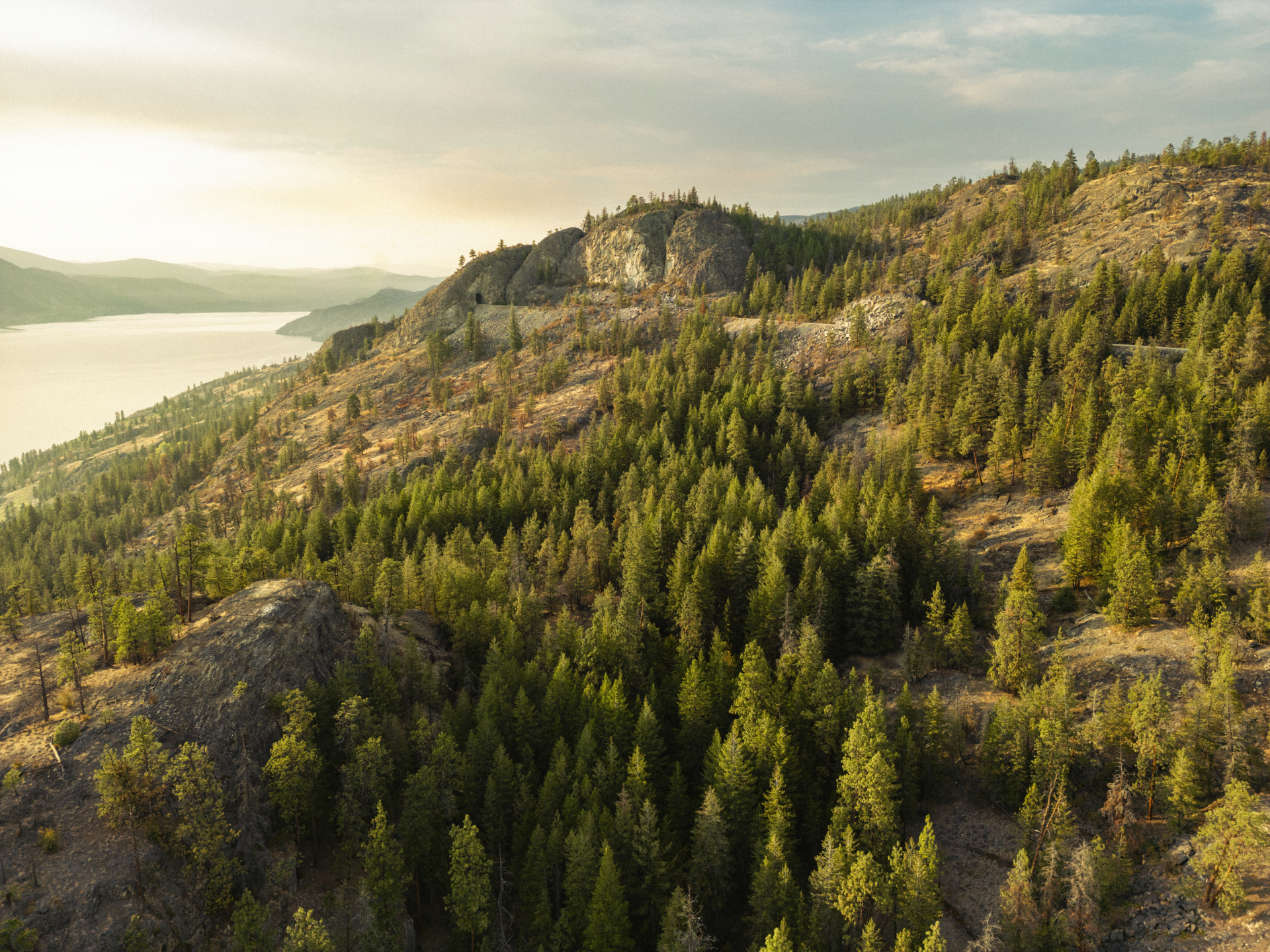
This land, known as Kettle Valley Trail Grassland, is located within the traditional, ancestral, and unceded territory of the Syilx People of the Okanagan Nation and protects habitat for a wide range of wildlife species. 

Why is this land so important? Read on 👇

🌾It contains a diverse array of ecosystems, including temperate grasslands, which is one of the most altered and threatened ecosystems globally. The entire Kettle Valley Trail Grassland is identified as a sensitive ecosystem, including old coniferous forest, rocky outcrops, and riparian forest in addition to grasslands. 

🪶It expands land we already protect, increasing the contiguous protected area from 112 acres to 163 acres and making the land more viable, resilient, and provides corridors for species to move more freely. 

🐍It shelters at-risk species like the western rattlesnake, Lewis’s woodpecker, and American badger. 

We must raise the final $300,000 needed to purchase and protect Kettle Valley Trail Grassland forever. Donate today and help us cross the finish line! Link in bio 🌱🌾

📸 Footage taken by Tristin Bailey (@tristinjbailey )

#ntbc #conservation #fundraiser #foryou #explore